 How-to
Why Window Tint Bubbles and Peels: Causes and Fixes
Last Updated: November 10, 2026
Quick Summary
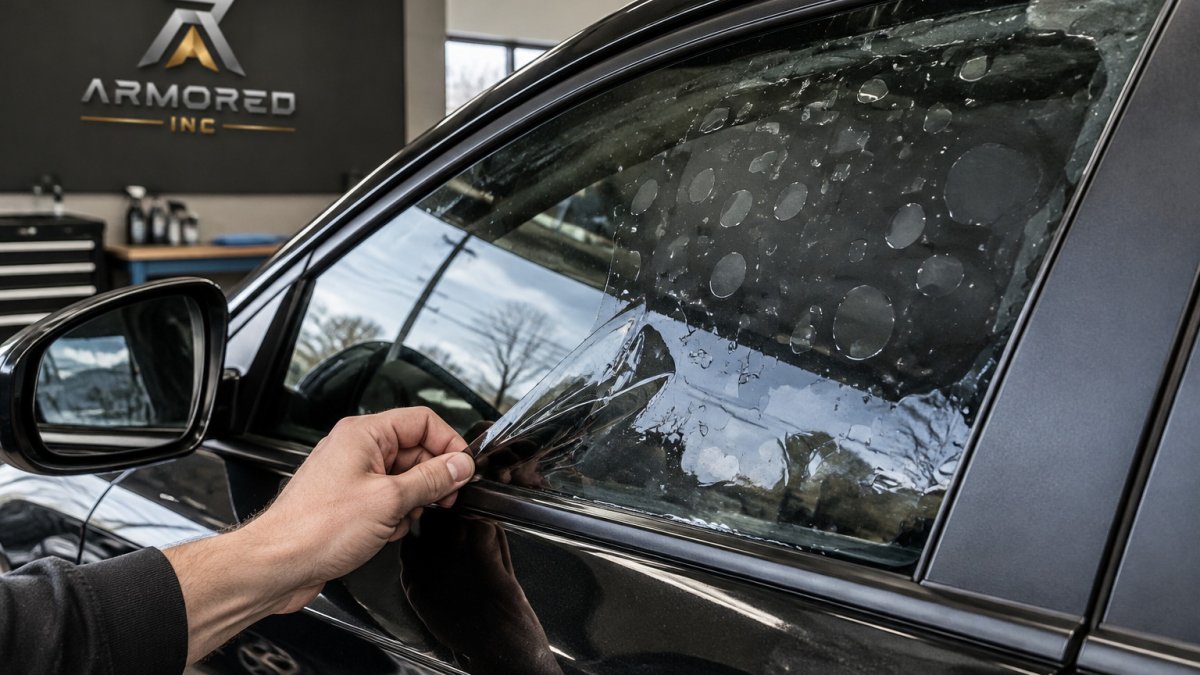
Window tint bubbles usually come from one of three sources: moisture from installation that is still curing, dust or debris trapped under the film, or weak adhesive in lower-quality film. Bubbles that are still curing typically shrink and clear within days, while bubbles that stay the same size or grow after about two weeks signal a real defect.
- Curing bubbles shrink each day, while bubbles that stay the same size or grow after two weeks point to a real problem.
- Cold weather slows curing, so the process can take two weeks or more in cooler spring conditions.
- Keep windows closed and avoid cleaning the inside of the glass until the film has fully bonded.
- Never pierce bubbles with a pin or needle, since this leaves a permanent hole for moisture and dirt.
- Check your tint monthly for lifting corners, and contact the installer early if edge peeling keeps spreading.
Table of Contents
- How Window Tint Bubbling and Peeling Usually Start
- Window Tint Bubbling After Installation: Normal Curing or a Defect?
- How Long Window Tint Bubbles Take to Go Away
- Common Causes: Installation Errors, Contamination, and Film Quality
- Why Window Tint Peels at the Edges and How to Spot It Early
- How to Fix Bubbling Window Tint Safely
- Booking a Barrie Tint Inspection or Replacement
- Frequently Asked Questions
How Window Tint Bubbling and Peeling Usually Start
Window tint bubbles and peels for a handful of reasons, and most of them begin on installation day. A film that looks perfect on day one can start to lift at the edges a few weeks later. The good news is that most of these problems have clear causes, and many can be prevented or fixed.
Tint usually fails in one of three ways. Small bubbles appear in the film. The edges start to lift or curl. Or the film turns hazy, cloudy, or discolored. Each symptom points to a different root cause, so knowing which one you're seeing is the first step.
- Bubbles: trapped water, dust, or air under the film
- Edge peeling: adhesive that has weakened from heat, sun, or poor prep
- Haze or discoloration: low-quality film or a film that has aged out
Window Tint Bubbling After Installation: Normal Curing or a Defect?
Some bubbling right after installation is normal. Window tint uses water during application, and that water needs time to evaporate through the film. Small pockets of moisture can stay trapped for several days, sometimes longer in cool weather.
The key question is whether the bubbles are shrinking or growing. Curing bubbles get smaller each day as the film dries and bonds to the glass. Bubbles that stay the same size or spread after two weeks usually signal a real problem, such as poor adhesion or contamination under the film. If you're unsure, have a professional take a look rather than poking at the film yourself.
How Long Window Tint Bubbles Take to Go Away
Curing time is the single most misread part of a tint job, and it depends heavily on where you live. Our ceramic window tint guide covers curing time in more detail. In a warm, dry stretch of summer, most film clears within three to five days. In cooler or variable spring weather, the same film can take two weeks or more. Cold slows evaporation of the water used during application, so moisture stays trapped longer behind the film. A car parked outdoors through a cold winter may also see the film sit in a cold cabin for hours before the sun warms the glass, which stretches the cure further.
During curing, expect a hazy or slightly cloudy look, small water pockets that look like tiny beads, and a faint film smell as the adhesive settles. None of these mean the job failed. Keep the windows closed, avoid rolling them down, and do not clean the inside of the glass until the film has fully bonded.
The distinction that matters is trend, not appearance. Curing bubbles shrink each day and eventually disappear. For a full overview of what to expect after install, see the window tint types, benefits and installation guide. A bubble that stays the same size after about two weeks, grows, spreads, or shows up in a new spot after the first few days is not curing. That pattern usually points to poor adhesion or debris trapped under the film during installation, and it is the point to contact the installer.
| Timeframe | What to expect | What to do |
|---|---|---|
| Days 1-3 | Water pockets, hazy look | Keep windows closed and leave the film alone |
| Days 4-10 | Bubbles shrink and clear in warm weather | Continue avoiding cleaning and rolling down windows |
| Weeks 2-3 (longer in cold weather) | Film fully bonded in most cases | Call the installer if any bubble is unchanged or growing |
Watch out: Do not judge cure progress by how the film looks in direct low-angle sunlight, because haze and light pockets can appear more pronounced than they really are.
Common Causes: Installation Errors, Contamination, and Film Quality
Most tint failures trace back to three causes. For a deeper look at the reasons bubbles form, read the complete guide to why window tint bubbles form. Each one is avoidable with the right process and materials.
- Installation errors: Too much soap solution, rushed squeegeeing, or film cut poorly around the edges.
- Contamination: Dust, lint, or debris trapped between the film and glass during install.
- Film quality: Cheap films use weaker adhesives that break down faster under sun and heat.
Film quality matters more than many owners realize. When comparing options, ask about the adhesive and warranty, not just the price. You can compare window film options for privacy and UV protection to see how film quality differs.
Why Window Tint Peels at the Edges and How to Spot It Early
Edge peeling usually starts as a thin line of lifted film along the top or bottom of the glass. It often happens where the window is cleaned most often, because harsh cleaners and abrasive cloths break down the adhesive.
Check your tint once a month. Look for lifting corners, small gaps, or film that feels loose when you press it lightly. Catching edge lift early makes repair much simpler. Waiting usually means the whole panel has to be redone.
How to Fix Bubbling Window Tint Safely
Most bubbling falls into one of two categories: a problem that is still curing and can be monitored, or a defect that needs a professional. Knowing which is which prevents the most expensive mistakes.
While a bubble is still curing, the safest action is to do nothing. Piercing a bubble with a pin or needle leaves a permanent hole that lets moisture and dirt in. Pressing on the film or applying heat with a hair dryer can stretch or wrinkle it, and heat applied to the rear window can damage the defroster lines printed on the glass. Pulling loose film can tear the adhesive and take a sheet of the tint with it, and scraping the edges with a blade can scratch the glass.
Some issues do need a professional, including edge peeling that keeps spreading, bubbles that are unchanged or growing after about two weeks, and film that has turned purple, cloudy, or wrinkled.
Before booking any repair, gather the information that makes the visit faster and protects your warranty. Look for your original installation receipt, the film brand and product name, the date of installation, and the warranty terms that came with the job. Take clear photos of the problem in daylight, with a coin or ruler beside it for scale, and note when you first noticed it. Many warranties cover adhesion failure but exclude damage from aftermarket cleaners or outside contact, so a dated record of the problem and the care you have given the film helps establish what is covered.
Pricing depends on the window's size and shape, the film type, and the scope of the work, so contact Armored Inc. for an itemized quote.
Booking a Barrie Tint Inspection or Replacement
If your window tint is bubbling or peeling, Armored Inc. can be contacted to discuss your window tint.
Our window tint service is available for drivers who want professional tint work. Contact Armored Inc. to book an inspection and find out what's causing the problem. Check whether we serve your area on our Barrie service area page.
Frequently Asked Questions
Why does window tint bubble after installation?
Most bubbling right after installation comes from water and air trapped between the film and the glass during application. The adhesive needs time to cure and the moisture has to evaporate through the film. Small bubbles that appear in the first days are common. Large bubbles, bubbles that grow, or bubbles that stay past the curing period usually point to a problem with the installation, contamination under the film, or lower-quality film. If you are unsure, ask your installer to inspect the work before you attempt any repair.
How long do window tint bubbles take to go away?
Normal curing bubbles often shrink and disappear within a few days to a few weeks, depending on the film, the weather, and how the car is parked. Keep the windows up and avoid rolling them down, cleaning the inside of the glass with harsh products, or touching the film during this period. Bubbles that remain after the full curing window, or that spread, are no longer simply curing and should be checked by a professional.
Can bubbling window tint be repaired, or does it need to be replaced?
Minor peeling at a corner or small isolated bubbles may be addressed by a professional. Extensive bubbling, film that has turned hazy or discoloured, or adhesive that has broken down usually means the film should be evaluated by a professional. Always check your installer's warranty before paying for a repair.
How can I prevent window tint from bubbling or peeling?
Choose a reputable installer who uses quality film and works in a clean, dust-free environment. Follow the curing instructions exactly, keep the windows up during the curing period, and clean the glass only with soft cloths and mild, ammonia-free products. Avoid scraping the film or pressing against it. Regular inspection after the first few weeks helps catch early edge lift before it spreads.