 ultimate-guide
Window Tint: A 2026 Guide to Types, Benefits & Installation
Table of Contents
- What Is Window Tint and Why It Matters
- Types of Window Tint Explained
- Key Benefits of Window Tint
- Ontario Window Tint Laws and Regulations
- Window Tint Installation and Curing Time
- Window Tint Cost in Barrie
- How to Maintain Your Window Tint
- Frequently Asked Questions
Last Updated: October 21, 2026
What Is Window Tint and Why It Matters
Window tint is a thin, adhesive film applied to glass surfaces, typically vehicle windows, but also marine vessels, RVs, and residential or commercial properties, to reduce light transmission, block ultraviolet radiation, and enhance privacy. At Armored Inc., we specialize in professional window tinting that goes far beyond basic sun protection.
The real value of quality window tint lies in what it prevents. UV rays degrade interior materials, fade upholstery, and contribute to skin damage during extended driving. Heat rejection reduces air conditioning load, which improves fuel efficiency. Privacy tint on marine vessels and RVs protects valuables from opportunistic theft. For homeowners in Barrie managing high-traffic commercial properties, interior window tint can provide an added layer of protection.
Most people think window tint is purely cosmetic. That's where they get it wrong. The difference between amateur installation and professional application is the difference between a temporary fix and a lasting investment. Poor installation leads to bubbling, peeling, and reduced optical clarity within months. Professional window tint, applied with precision and the right materials, lasts years with minimal maintenance.
Types of Window Tint Explained
Window tint comes in three primary categories, each with distinct performance characteristics and price points. Understanding the differences helps you match the right tint type to your specific use case, whether you're protecting a luxury vehicle, a marine investment, or commercial property glass.
Dyed Window Tint
Dyed window tint uses a layer of dye suspended in an adhesive film. Light passes through the dye, which absorbs heat and reduces glare. This is the most affordable option and delivers noticeable darkening immediately upon application.
The limitation is performance longevity. Dyed tint fades over time as UV exposure breaks down the dye molecules. Dyed tint typically remains effective for 3-5 years before noticeable fading occurs. It also offers minimal heat rejection compared to other types, dyed film absorbs heat rather than reflecting it, which means the film itself heats up and transfers some of that warmth back into the vehicle or space.
Common mistake: Assuming all dark window tint performs equally. Dyed tint looks dark initially, but it's the least effective at blocking heat and UV radiation. For vehicles or vessels that sit in direct sun for extended periods, dyed tint is a temporary solution masquerading as a permanent one.
Metalized Window Tint
Metalized window tint embeds tiny metallic particles into the film. These particles reflect light and heat away from the glass, making metalized tint significantly more effective at heat rejection than dyed alternatives. The metallic layer also strengthens the film, reducing the risk of shattering if the glass breaks.
The trade-off is visibility and electronics interference. The metal particles can interfere with GPS signals, cell phone reception, and satellite radio. For marine vessel owners relying on navigation systems, or dealership managers in the Barrie area managing inventory with modern telematics, metalized tint may create operational friction. Additionally, the reflective appearance is more noticeable from outside the vehicle, which some owners find less aesthetically appealing than a subtler tint.
Metalized tint lasts longer than dyed, typically 5-7 years, because the metallic particles don't degrade the way dye does. It's a solid middle-ground option for cost-conscious buyers who prioritize heat rejection over perfect radio reception.
Ceramic Window Tint in Barrie
Ceramic window tint represents the premium tier. Instead of dye or metal, ceramic particles are embedded in the film. Ceramic doesn't conduct electricity, doesn't fade, and doesn't interfere with electronic systems. It reflects infrared radiation with exceptional efficiency, often outperforming metalized tint by 10-15% in heat rejection.
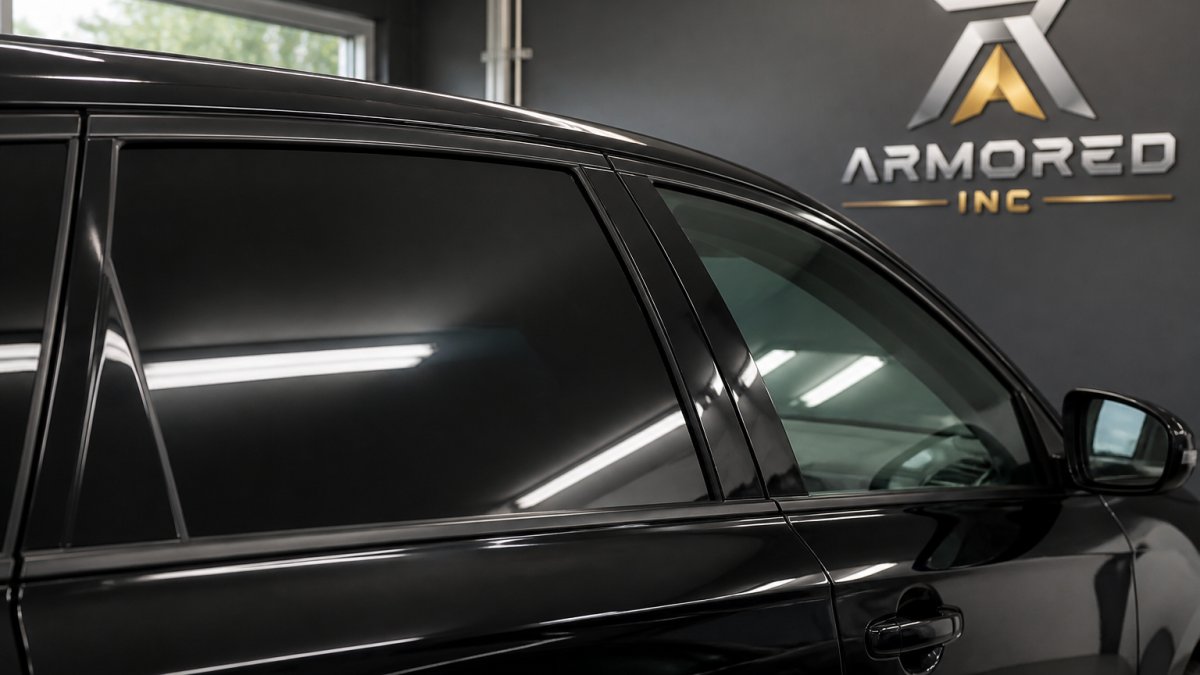
For luxury vehicle owners in Barrie protecting high-end interiors, ceramic tint is the logical choice. The film remains optically clear, you see out as easily as you would through untinted glass, while providing superior UV blocking and heat rejection. Ceramic tint lasts 10+ years.
The performance difference is measurable. Ceramic window tint blocks up to 99% of UV radiation. For marine vessels in Ontario experiencing intense summer sun and salt spray exposure, ceramic tint resists degradation far better than other types.
Key Benefits of Window Tint
Professional window tint delivers benefits across multiple dimensions. Understanding them helps justify the investment and set realistic expectations for what quality tinting can accomplish.
UV Protection and Interior Preservation
Window tint blocks ultraviolet radiation, which is the primary driver of interior fade and material degradation. Residential and commercial properties with large windows experience similar fading of flooring, artwork, and furnishings.
Heat Rejection and Energy Efficiency
Tinted windows reduce solar heat gain, which lowers cooling requirements. For vehicles, this means less air conditioning load and improved fuel efficiency.
Glare Reduction
Glare from direct sun creates eye strain and reduces visibility, particularly problematic on highways or when operating marine vessels. Window tint cuts glare significantly, improving comfort during extended use.
Privacy and Security
Darker window tint prevents people from seeing into vehicles, vessels, or buildings. For luxury car owners storing high-value items, this deters opportunistic theft. Marine vessel owners appreciate the privacy when anchored in busy harbors.
Structural Reinforcement
Window tint film holds glass together if it breaks. This reduces the risk of glass shards entering the cabin or space, which is a genuine safety benefit in accidents or break-in attempts.
Ontario Window Tint Laws and Regulations
Ontario's regulations on window tint are specific and enforced. Understanding the legal limits prevents costly fines and ensures your tint installation complies with provincial standards.
For vehicles in Ontario, the front windshield must allow at least 70% of light through. This means you cannot tint the windshield with dark film, only a clear protective film is permissible. The front side windows must allow at least 50% light transmission.
Professional installers in Barrie understand these specifications and apply tint accordingly. Non-compliance can result in fines and mandatory removal of illegal tint.
Marine vessels and RVs registered in Ontario follow similar guidelines when they're registered as vehicles. Commercial and residential properties have different regulations, interior window tint on storefronts or residential glass has no transmission limits, as these surfaces don't affect driver visibility on public roads.
A common mistake is assuming "dark tint" is universally illegal. The law permits dark tint on rear windows and rear windshields. The restriction applies only to front side windows and windshields, where driver visibility is critical for road safety.
Window Tint Installation and Curing Time
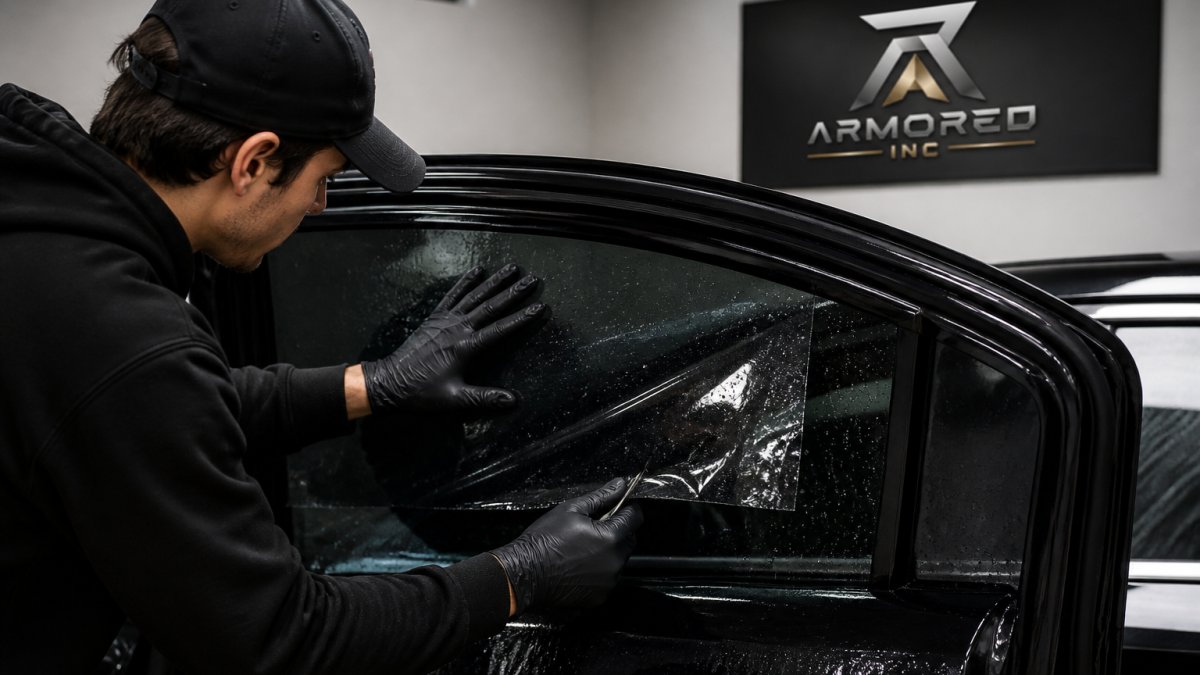
Professional window tint installation requires precision and controlled conditions. The process is straightforward but unforgiving, mistakes during application are difficult to correct without starting over.
Installation Process
The installer cleans the window thoroughly, removing all dust and contaminants. Any residue left on the glass will create bubbles or imperfections under the film.
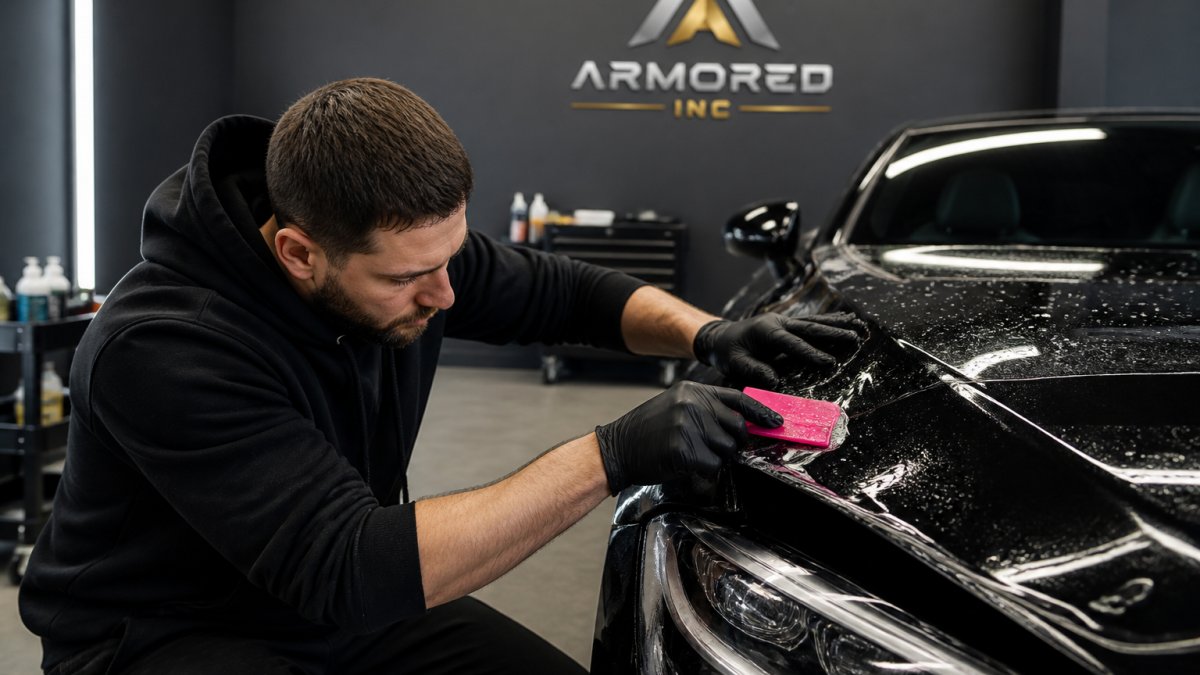
Once positioned correctly, the installer uses a squeegee to remove air and excess solution, pressing the film firmly against the glass. This step determines whether the final result is flawless or flawed.
Curing Time
This is where patience becomes critical. Window tint curing time varies by tint type and climate conditions. Expect 3-5 days for initial set and 7-14 days for full cure.
Common mistake: Using windows or cleaning tint before it's fully cured. Opening and closing tinted windows, or washing the tint, can reintroduce air bubbles or cause the film to shift.
Temperature and humidity affect curing speed. Cold weather slows adhesive set, potentially extending curing time.
Window Tint Cost in Barrie
Window tint pricing depends on several variables: the number and size of windows, the tint type selected, and the complexity of the installation. Custom-fit tint for curved or irregularly shaped windows costs more than standard rectangular applications.
Rather than estimating costs, the best approach is to contact Armored Inc. directly for a quote. Pricing varies based on your specific vehicle, vessel, or property, and current material costs. Our team in Barrie can assess your needs and provide transparent pricing for the tint type that matches your requirements and budget.
What matters more than the initial cost is the long-term value. Ceramic window tint costs more upfront but lasts 10+ years and delivers superior heat rejection. Dyed tint is cheaper initially but typically requires replacement every 3-5 years. Metalized tint sits in the middle on both cost and performance.
How to Maintain Your Window Tint
Proper maintenance extends the life of your window tint and keeps it looking pristine.
Cleaning
Wait at least 7-14 days after installation before washing tinted windows. Once cured, use a soft microfiber cloth and a non-abrasive glass cleaner. Avoid harsh chemicals or abrasive scrubbing, which can scratch or damage the film.
Avoid Excessive Heat
While window tint is designed to handle heat, extreme temperature swings can stress the adhesive. Avoid pointing hot air directly at tinted windows during winter defogging, and don't park in direct sun immediately after washing.
Window Regulators and Seals
For vehicles, ensure window regulators move smoothly and don't drag against the tint film. Rough movement can cause the film to tear or peel at the edges.
Professional Inspection
If you notice bubbling, peeling, or discoloration, contact Armored Inc. for assessment. Small issues can sometimes be addressed without full replacement, but waiting too long allows problems to spread.
Window tint is a practical investment you can make in vehicle, marine, or property protection.
Frequently Asked Questions
What window tint is legal in Ontario?
Ontario regulations allow window tint on rear and side windows. Front windshields have specific restrictions. Always verify current regulations with Service Ontario, as rules may change. Professional installers stay current with these requirements to ensure your vehicle remains compliant.
How long does window tint curing time take?
Window tint requires a curing period before you roll down windows or expose the film to moisture. During curing, small water bubbles under the film are normal and will disappear as the adhesive sets. Avoid washing your vehicle for a period after installation to allow full adhesion. Following proper curing time prevents peeling, bubbling, and premature failure.
What are the benefits of ceramic window tint?
Ceramic window tint blocks up to 99% of UV rays and infrared heat without the signal interference that metalized films can cause. It provides superior durability, resisting fading and discoloration longer than dyed alternatives. Ceramic formulations maintain optical clarity and don't interfere with GPS, cell signals, or radio reception. The technology also offers excellent glare reduction and enhanced privacy while maintaining a professional appearance. Many luxury and sports car owners choose ceramic tint for its longevity and performance.
How much does window tint cost in Barrie?
Window tint pricing depends on vehicle type, window count, tint type selected, and whether you choose dyed, metalized, or ceramic film. Luxury vehicles and complex glass configurations typically cost more than standard sedans. For current pricing and a personalized quote based on your specific vehicle, contact Armored Inc. directly. Professional installation ensures proper application and compliance with Ontario regulations, protecting your investment long-term.
How long does automotive window tint last?
Quality dyed window tint typically lasts 3 to 5 years before fading or peeling occurs. Metalized tint can last 5 to 7 years with proper care. Ceramic window tint offers the longest lifespan, often lasting 10 years or more when maintained correctly. Lifespan depends on sun exposure, climate, and how well you care for the tint. Regular gentle cleaning and avoiding harsh chemicals extend the life of any tint type significantly.
How should I clean newly tinted windows?
Wait for the recommended period after installation before cleaning tinted windows. Use a soft microfiber cloth and ammonia-free cleaner to avoid damaging the adhesive. Avoid rolling windows down or applying pressure during the initial curing phase. Never use abrasive materials or squeegees that could scratch or lift the film. Once fully cured, gentle cleaning with appropriate products keeps your tint looking clear and prevents premature wear.
How do I choose a window tint installer in Barrie?
Look for installers with proven experience in automotive window tinting and knowledge of Ontario regulations. Ask about the tint type and warranty offered. Professional installers use quality materials and proper techniques to prevent bubbling, peeling, and signal interference. Check reviews and ask about their experience with your vehicle type. A reputable installer will discuss your needs, explain the curing process, and stand behind their work with a solid warranty.
How long does it take to install window tint on a car?
Vehicle window tinting time depends on the number of windows and vehicle complexity. Luxury vehicles with curved or specialty glass may require additional time. Professional installers work efficiently without rushing, as proper application prevents future issues like bubbling and peeling. After installation, the tint enters the curing phase, during which you should avoid rolling windows down or exposing the film to moisture for the recommended period.