 ultimate-guide
Ceramic Coating Downsides: What You Need to Know
Table of Contents
- The Real Downsides of Ceramic Coating
- Ceramic Coating Cost in Canada and Long-Term Value
- Application Complexity and Professional Installation Requirements
- Limited Protection: What Ceramic Coating Does Not Guard Against
- Ceramic Coating Maintenance Demands and Washing Protocols
- Ceramic Coating vs. Paint Protection Film: Which Handles Real-World Damage
- Curing Time, Warranty Gaps, and Removal Challenges
- Making the Right Choice for Your Vehicle
- Frequently Asked Questions
Last Updated: October 6, 2026
The Real Downsides of Ceramic Coating
Ceramic coating delivers genuine benefits for paint protection, but understanding ceramic coating downsides is essential before investing. At Armored Inc., we've worked with luxury car owners, marine vessel operators, and commercial property managers across Barrie and Ontario long enough to know that understanding the real downsides is just as important as understanding what ceramic coating actually does.
The gap between expectation and reality is where most owners stumble. Many people invest in ceramic coating thinking it eliminates the need for ongoing maintenance or shields against all forms of damage. It doesn't. A ceramic coating is a hydrophobic layer that bonds to your clear coat, providing chemical resistance and a slick finish. What it won't do is prevent rock chips, deep scratches, dents, or physical impacts. It won't stop water spots if you don't dry your vehicle properly. It won't eliminate the need for regular washing. Understanding these limitations before you commit prevents buyer's remorse and helps you make an informed decision about whether ceramic coating is right for your specific needs.
The real question isn't whether ceramic coating is good or bad. It's whether the downsides align with how you actually own and use your vehicle.
Ceramic Coating Cost in Canada and Long-Term Value
The upfront cost of ceramic coating is the first barrier most owners face. Professional application involves surface preparation, correction, and multiple layers of coating, all of which require skilled labor and quality materials. The total investment depends on vehicle size, paint condition, and the specific product used, but expect a meaningful expense.
Beyond the initial cost, there's a hidden financial consideration: ceramic coating doesn't eliminate the need for professional detailing. You'll still need periodic paint correction if swirl marks or minor scratches appear. You'll still need regular washing to prevent mineral deposits and environmental contamination. Some owners discover too late that "low maintenance" doesn't mean "no maintenance." The coating reduces washing effort compared to unprotected paint, but it doesn't eliminate it entirely.
The long-term value calculation depends on how long you keep your vehicle and how much you value paint preservation. If you're planning to sell within three years, the cost may not justify itself. If you're keeping a luxury vehicle or sports car for a decade, the protection against oxidation, UV damage, and chemical etching becomes more compelling. Barrie's climate, with winter salt, UV exposure, and temperature swings, actually makes the case for ceramic coating stronger than in milder regions, but only if you're committed to the maintenance that keeps it effective.
Application Complexity and Professional Installation Requirements
This is where ceramic coating reveals a significant downside: you can't simply apply it yourself like a traditional wax. The surface preparation phase is critical and time-intensive. Your paint must be decontaminated, clay-barred to remove embedded particles, and corrected if swirl marks or scratches exist. Skip or rush this step, and the coating won't bond properly or will highlight existing defects.
Professional installation typically requires your vehicle to be out of service for one to three days, depending on paint condition and the installer's workload. If you're running a dealership with 40 vehicles on the lot, that turnaround time becomes a logistics problem. For personal vehicle owners, it means arranging transportation or using a rental car while your vehicle is being treated. Armored Inc. offers valet service and rental car options specifically to address this inconvenience, but not every installer does.
The application process itself demands precision. Improper application can leave streaks, hazing, or uneven coverage, exactly the kind of defects luxury car owners worry about. A poorly applied ceramic coating is worse than no coating at all because it's highly visible and difficult to remove. This is why choosing an experienced installer matters far more than choosing the cheapest option. The difference in application cost often comes down to surface preparation quality and technician expertise, not the product itself.
Limited Protection: What Ceramic Coating Does Not Guard Against
Here's the critical reality that separates ceramic coating from paint protection film: ceramic coating does not protect against physical damage. It will not prevent rock chips from highway debris. It will not stop deep scratches from careless washing or contact with sharp objects. It will not protect against dents from door dings or minor impacts.
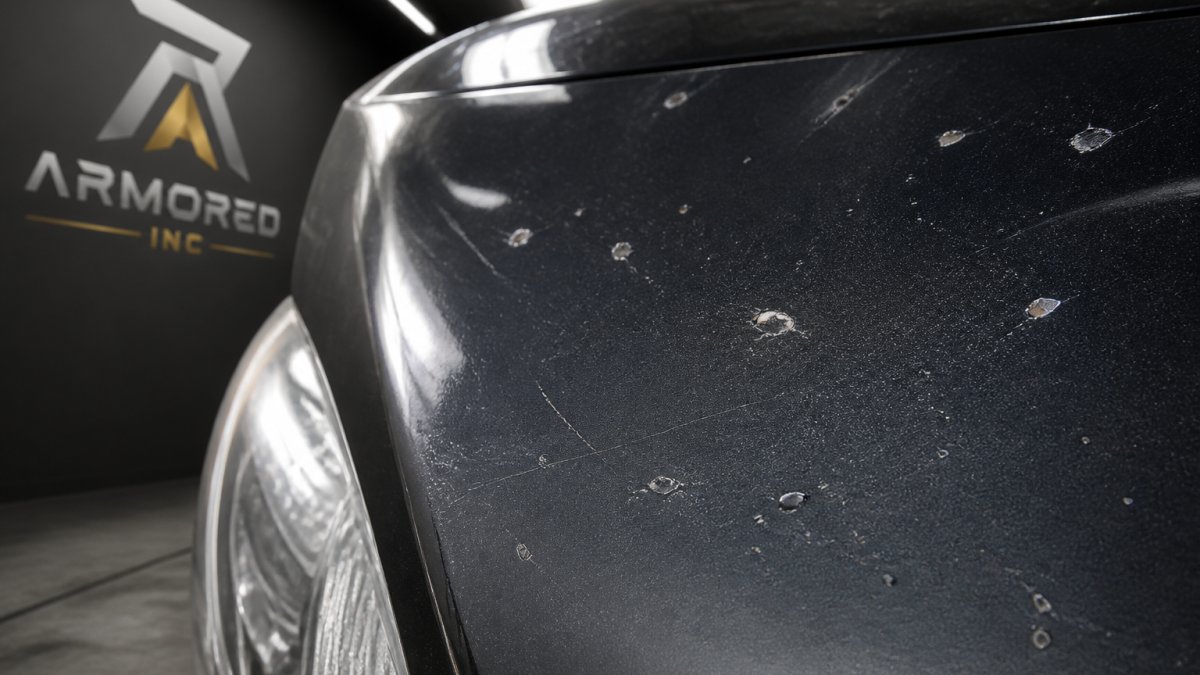
Ceramic coating is a chemical barrier, not a physical one. It resists oxidation, UV damage, chemical etching, and water spotting. It makes washing easier and improves gloss and shine. But the moment something physically contacts your paint, a stone kicked up by another vehicle, a key mark, a branch, the coating provides zero protection. You'll see bare paint underneath.
This is where paint protection film becomes relevant. Unlike ceramic coating, PPF is a thick, self-healing polyurethane layer that absorbs impact and prevents chips and scratches from reaching the clear coat. Many owners in Barrie and across Ontario who want maximum protection combine both: PPF on high-impact areas like the front bumper, hood, and door handles, with ceramic coating over the entire vehicle for chemical protection and enhanced appearance.
Ceramic Coating Maintenance Demands and Washing Protocols
The "low maintenance" promise of ceramic coating is misleading. Yes, the coating makes washing easier because dirt and grime don't bond as strongly to the hydrophobic surface. But you still need to wash your vehicle regularly, typically every two to four weeks, depending on environmental exposure. In Barrie, where winter salt and road grime accumulate quickly, more frequent washing may be necessary.
Ceramic coating maintenance also requires specific washing techniques. You can't use harsh brushes or aggressive drying methods that would have worked fine on uncoated paint. You need to hand-wash with microfiber mitts, use quality car wash soap, and dry with soft microfiber towels to avoid introducing swirl marks. Some owners find this more demanding than they expected, not less.
Additionally, ceramic coating can trap water and mineral deposits if you don't dry your vehicle completely after washing. Water spots and mineral deposits are harder to remove from a hydrophobic surface because they bead up and sit on top of the coating. This means you need distilled water for the final rinse and careful drying technique. For owners accustomed to simply spraying their vehicle with a hose and letting it air dry, ceramic coating introduces friction into a routine that was previously simple.
Ceramic Coating vs. Paint Protection Film: Which Handles Real-World Damage
The comparison between ceramic coating and paint protection film reveals fundamentally different protection models. Ceramic coating excels at preventing chemical and environmental damage: oxidation, UV exposure, bird droppings, tree sap, acid rain, and mineral deposits. Paint protection film excels at preventing physical damage: rock chips, scratches, abrasion, and impact.
Neither is superior to the other, they solve different problems. A vehicle with only ceramic coating looks pristine and shines beautifully, but the first highway drive exposes it to rock chips on the front bumper and hood. A vehicle with only paint protection film on the front end has excellent chip resistance but may show oxidation and UV damage on unprotected areas over time.
The practical choice for luxury and sports car owners in Barrie is often both. Apply PPF to high-impact zones, front bumper, hood, fenders, door handles, and side mirrors, then coat the entire vehicle with ceramic coating for overall protection and appearance. This combination provides comprehensive defense against both physical and chemical damage.
Paint protection film also carries its own downsides: it can yellow over time if poor quality, it may peel or bubble if not installed properly, and removal can be time-consuming and expensive. Ceramic coating, by contrast, is permanent until you actively remove it, which requires professional abrasion or chemical stripping. Both have trade-offs.
Curing Time, Warranty Gaps, and Removal Challenges
After ceramic coating is applied, your vehicle enters a curing phase. Depending on the product and environmental conditions, this typically lasts 24 to 72 hours. During this window, you cannot wash your vehicle, drive in rain, or expose it to moisture. For owners in a hurry or living in a rainy climate, this waiting period is frustrating. Some products require even longer cure times before the coating reaches full hardness.
Warranty gaps are another downside worth understanding. Most ceramic coating warranties cover defects in the product or application, but they do NOT cover damage from physical contact, improper washing, or normal wear. If you get a rock chip, the warranty won't pay for repainting. If you wash your vehicle with a harsh brush and create swirl marks, the warranty won't cover correction.
Removal is the final downside many owners don't anticipate until they face it. Ceramic coating is extremely durable, which means it's also extremely difficult to remove. If you want to strip it off, perhaps because you're selling the vehicle or want to switch to a different product, you'll need professional abrasion or chemical removal, which is time-consuming and expensive. This permanence is a feature if you're happy with the coating, but a liability if you change your mind.
Making the Right Choice for Your Vehicle
The decision to invest in ceramic coating should rest on honest answers to a few questions. How long do you plan to keep this vehicle? How much do you value paint preservation versus accepting minor cosmetic wear? Are you willing to commit to the washing and maintenance protocols required to keep the coating effective?
If you own a luxury vehicle or sports car that you plan to keep for five or more years, ceramic coating makes sense as part of a comprehensive protection strategy. If you drive frequently on highways, adding paint protection film to high-impact areas strengthens that strategy further.
The most important downside to understand is this: ceramic coating is not a substitute for proper care. It's an enhancement that makes proper care easier and more effective. It won't forgive neglect, and it won't protect against all forms of damage.
The real question isn't whether ceramic coating has downsides. It's whether those downsides matter less to you than the benefits it delivers for your specific vehicle and how you use it.
Ceramic coating downsides shouldn't stop you from protecting your investment, they should inform your decision. If you're ready to explore ceramic coating for your luxury vehicle, marine vessel, or commercial property in Barrie, contact Armored Inc. for a consultation.
| Ceramic Coating Downside | Impact | Mitigation |
|---|---|---|
| High upfront cost | Professional application involves a meaningful expense | Consider long-term value if keeping vehicle 5+ years |
| Application complexity | Requires 1-3 days out of service | Choose experienced installer; use valet/rental options |
| Physical damage vulnerability | No protection from rock chips or scratches | Combine with paint protection film on high-impact areas |
| Maintenance requirements | Regular washing and specific protocols needed | Budget time for proper car wash techniques |
| Curing time | 24-72 hours before vehicle use | Plan application around your schedule |
| Warranty limitations | Does not cover physical damage or improper care | Understand what is and isn't covered before purchase |
| Difficult removal | Expensive and time-consuming to strip | Commit to the coating or accept permanence |
Frequently Asked Questions
What are the main disadvantages of ceramic coating?
The primary downsides include substantial upfront costs, the need for professional application and surface preparation, limited protection against physical damage like rock chips and deep scratches, ongoing maintenance requirements, and a curing period during which your vehicle cannot be driven. Ceramic coating also cannot be easily removed if you're unhappy with the result, and it does not protect against dents, hail damage, or severe chemical exposure.
How much ceramic coating maintenance is actually required?
Ceramic coating maintenance involves regular hand washing with pH-neutral products, avoiding automatic car washes, and periodic inspection for contamination. Most owners need to wash their vehicles every two weeks and apply a maintenance spray every few months. Neglecting this routine accelerates coating degradation and water spot formation, turning what sounds like passive protection into an active ownership responsibility.
Does ceramic coating prevent scratches and rock chips?
No. Ceramic coating provides chemical protection and enhances gloss, but it offers minimal defense against physical impact. Rock chips, deep scratches, and swirl marks from improper washing will still damage the clear coat and paint beneath. For vehicles frequently exposed to highway driving or harsh conditions, paint protection film offers superior physical protection than ceramic coating alone.
Should I choose ceramic coating or paint protection film instead?
Ceramic coating excels at chemical resistance, hydrophobic properties, and aesthetic enhancement but fails against physical damage. Paint protection film absorbs impacts and prevents rock chips and scratches but can yellow over time and requires careful maintenance. Many owners combine both for comprehensive protection: PPF on high-impact zones and ceramic coating for overall shine and chemical defense.