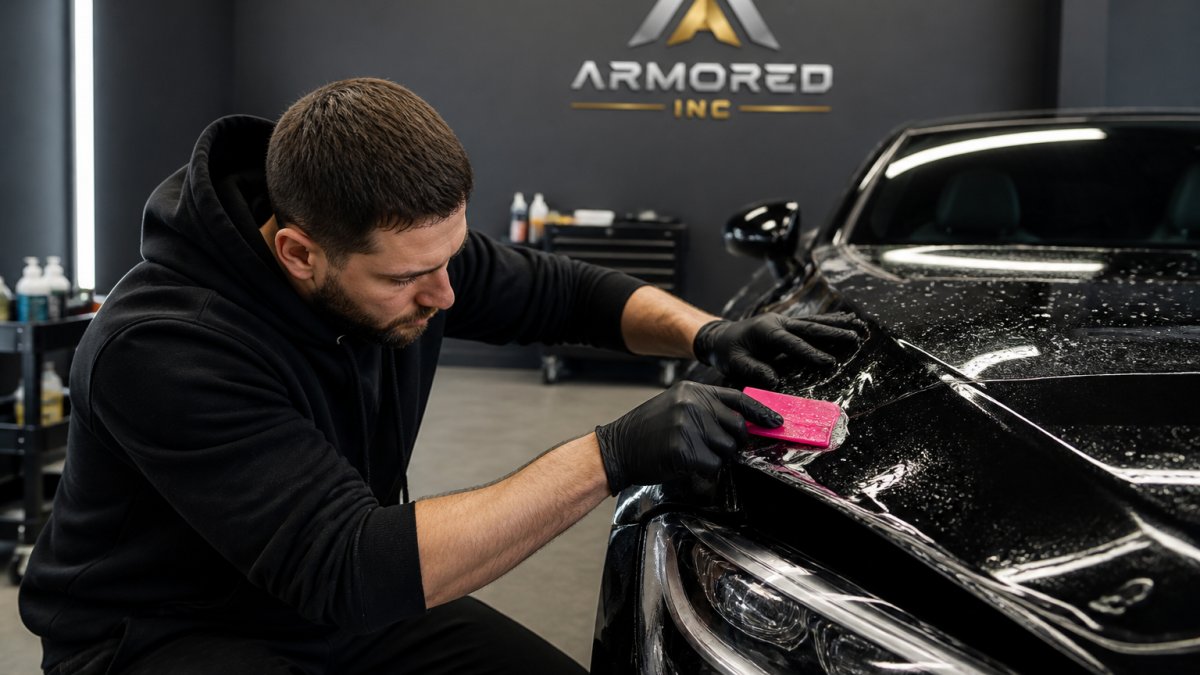
 ultimate-guide
Paint Protection Guide: Types, Benefits & Application
Table of Contents
- What is Paint Protection and Why It Matters
- Types of Paint Protection: Ceramic Coatings vs PPF
- Stone Chip Protection for Cars: Which Method Works Best
- Paint Protection Film Cost: What You Should Expect
- Paint Protection Film Maintenance: Keeping Your Investment Protected
- Application Process and Professional Installation
- Choosing the Right Paint Protection for Your Vehicle
- Frequently Asked Questions
Last Updated: October 5, 2026
What is Paint Protection and Why It Matters
Paint protection is a preventive coating or film applied to your vehicle's exterior surfaces to shield against environmental damage, UV rays, scratches, and chemical contaminants. Whether you're driving a luxury sports car through Barrie or operating a marine vessel in Ontario's challenging climate, paint protection preserves both the aesthetic appeal and resale value of your investment.
The real cost of neglecting paint protection isn't just cosmetic. Road salt, bird droppings, tree sap, and stone chips accumulate over time, creating permanent damage that becomes expensive to repair. Paint protection acts as a sacrificial barrier, absorbing the punishment your clear coat would otherwise endure. Vehicles protected from day one maintain showroom-quality finishes years longer than unprotected alternatives.
Paint protection serves multiple purposes simultaneously. It guards against oxidation from UV exposure, prevents chemical etching from environmental fallout, resists minor scratches from daily driving, and maintains hydrophobic properties that make cleaning easier. For dealership managers in the South Simcoe and Barrie area managing inventory, paint protection becomes a critical asset preservation strategy that directly impacts vehicle condition at sale time.
Types of Paint Protection: Ceramic Coatings vs PPF
The two dominant paint protection solutions address different priorities and offer distinct advantages. Understanding their differences helps you choose the right approach for your specific needs and vehicle type.
Ceramic Coatings Explained
Ceramic coatings are liquid nanotechnology products that bond to your paint's clear coat, creating a hardened protective layer. These coatings cure through chemical cross-linking rather than simple evaporation, resulting in a permanent or semi-permanent shield that can last multiple years with proper maintenance.
Ceramic coatings excel at hydrophobicity, water beads and rolls off treated surfaces, carrying contaminants away. This property reduces water spotting and makes routine washing more effective. The coating also enhances paint depth and gloss, giving vehicles a showroom shine that persists throughout the coating's lifespan.
The application process requires meticulous surface preparation. The paint must be decontaminated, polished, and cleaned to bare clarity before coating application. This preparation phase determines coating longevity, poor prep work compromises adhesion and durability. Professional installation ensures proper curing conditions and application technique, which directly impacts whether you experience the streaking or hazing issues some vehicle owners report from improper application.
Ceramic coatings work particularly well for vehicles garaged regularly or driven in moderate climates. They're ideal for luxury car enthusiasts in Barrie seeking that enhanced gloss without the thickness of protective film. However, they don't prevent physical damage, a ceramic coating won't stop a stone chip or prevent swirl marks from improper washing.
Paint Protection Film (PPF) Explained
Paint Protection Film is a transparent, self-healing polyurethane film adhered directly to painted surfaces. Unlike ceramic coatings that sit atop the clear coat, PPF becomes an integral barrier that absorbs impacts, scratches, and abrasions before they reach your paint.
PPF's primary advantage is physical damage prevention. Stone chips, road debris, and minor scratches penetrate the film rather than your clear coat. The film's self-healing properties mean minor scratches and swirl marks disappear when exposed to heat, a unique capability ceramic coatings cannot match.
The film is typically applied to high-impact areas: front bumper, hood, fenders, door handles, and mirror backs. Full-body coverage is available but represents a significant investment. Professional installation requires precision, improper application leaves visible seams, bubbles, or premature peeling. Matte-finish vehicles demand specialized expertise, as standard PPF application on matte paint can create visible gloss spots where the film sits.
PPF durability typically exceeds ceramic coatings when properly installed. Quality films maintain integrity for 5-10 years, though edges may yellow slightly over time, a minor cosmetic consideration compared to the underlying protection. The film's thickness (typically 150-200 microns) provides genuine impact resistance that ceramic coatings simply cannot replicate.
Stone Chip Protection for Cars: Which Method Works Best
Stone chips represent the most common paint damage for vehicles in Ontario's climate. Road salt, sand, and gravel create ideal conditions for chip formation, particularly on front-facing surfaces.
For stone chip protection specifically, PPF outperforms ceramic coatings decisively. The film's physical structure absorbs impact energy that would otherwise crack your clear coat and expose base paint to oxidation. Ceramic coatings provide no impact resistance, they're chemically bonded protective layers, not physical barriers. A stone chip will penetrate ceramic coating as easily as unprotected paint.
The optimal approach combines both technologies: PPF on high-impact zones (front bumper, hood, fenders) paired with ceramic coating on remaining surfaces. This hybrid strategy delivers stone chip protection where you need it most while maintaining the gloss enhancement and water-beading benefits of ceramic coating across the entire vehicle. Dealership managers protecting inventory often employ this combined approach, maximizing resale value while controlling costs.
For vehicles in Barrie experiencing frequent highway driving or gravel road exposure, full-front PPF coverage becomes a practical investment. The film's self-healing properties mean minor road debris won't create permanent damage, while ceramic coating on rear and side panels maintains aesthetic appeal without the thickness that full-body film would add.
Paint Protection Film Cost: What You Should Expect
PPF pricing varies significantly based on coverage area, film quality, and installation complexity. Partial coverage (front bumper, hood, fenders) costs substantially less than full-body protection. Premium films with advanced self-healing properties command higher prices than standard options.
Matte-finish paint protection demands premium pricing due to application complexity. Standard PPF application on matte surfaces creates visible gloss spots where the film sits, requiring specialized techniques and expertise. This specialized service explains why matte-finish vehicle owners often see higher quotes than owners of glossy-finish vehicles.
Professional installation quality directly impacts your investment's value. Rushed installations or technicians inexperienced with your specific paint finish can result in visible seams, premature edge lifting, or the hazing issues that skeptical vehicle owners have experienced elsewhere. At Armored Inc., our technicians specialize in proper PPF application across all paint finishes, including matte-finish expertise.
For current pricing and detailed quotes tailored to your specific vehicle and coverage needs, contact Armored Inc. directly. We provide transparent pricing based on your vehicle's size, paint condition, coverage area, and film selection.
Paint Protection Film Maintenance: Keeping Your Investment Protected
Proper maintenance ensures your paint protection film investment delivers maximum longevity and performance. Neglected PPF deteriorates faster, with edges lifting prematurely and self-healing properties diminishing over time.
Daily Care and Cleaning
Gentle washing maintains film integrity and appearance. Use pH-neutral car wash soap and soft microfiber wash mitts, aggressive scrubbing or harsh chemicals accelerate degradation. Avoid automated car washes with rotating brushes, which can catch film edges and initiate peeling. Hand washing every two weeks represents the ideal maintenance schedule for vehicles in harsh Ontario climates where salt and road debris accumulate rapidly.
Dry your vehicle with soft microfiber towels rather than air-drying, which leaves water spots that can become permanent if mineral deposits accumulate. Never use squeegees or hard tools that might catch film edges.
Avoid parking under trees when possible. Bird droppings and tree sap etch through PPF more slowly than unprotected paint, but extended exposure still causes damage. Remove these contaminants promptly using appropriate detailing products designed for film-safe removal.
Long-Term Durability and When to Reapply
Quality PPF maintains structural integrity for 5-10 years with proper care. As the film ages, self-healing properties gradually diminish, newer film responds to heat more dramatically than aged film. Minor yellowing at edges is normal and doesn't indicate coating failure.
Edge lifting typically begins around year 7-8 for well-maintained installations. Once edges lift significantly, moisture infiltrates between film and paint, compromising the protection you've invested in. Reapplication at this point restores full protection and maintains your vehicle's finish integrity.
Ceramic coatings require more frequent maintenance. Annual or biennial reapplication keeps hydrophobic properties at peak performance. Neglected ceramic coatings gradually lose water-beading effectiveness as the coating degrades from UV exposure and environmental contaminants.
Application Process and Professional Installation
Professional installation separates effective paint protection from disappointing results. The application process demands precision, environmental control, and specialized expertise that DIY approaches cannot replicate.
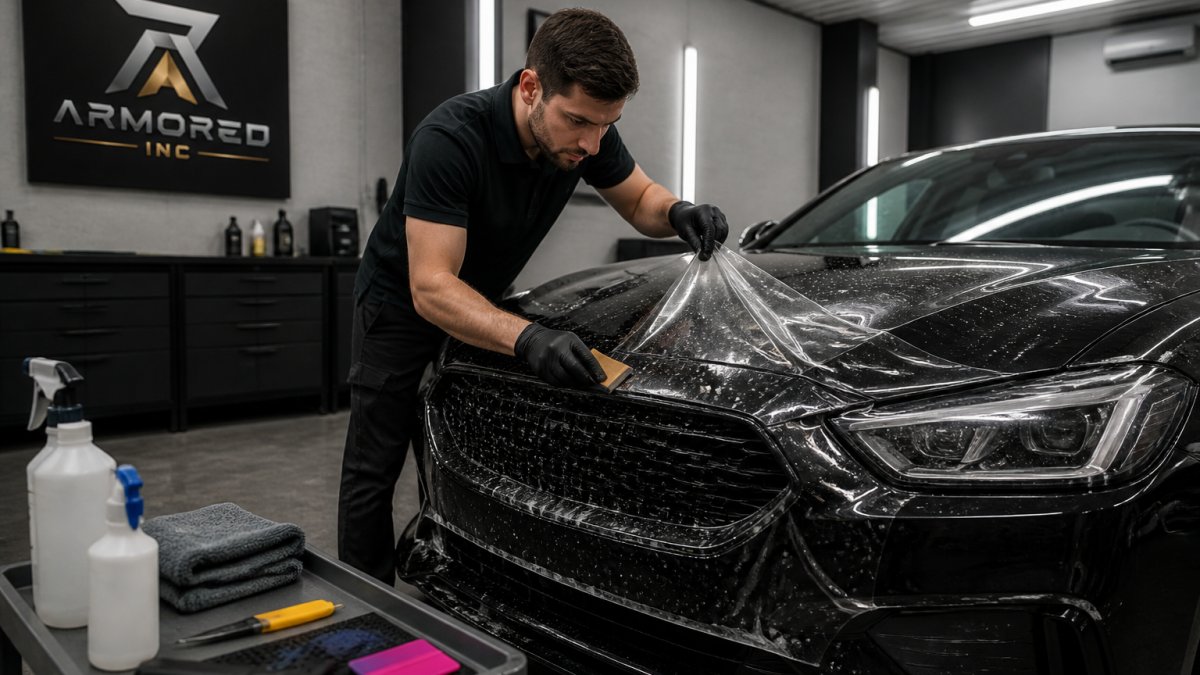
The installation begins with thorough surface preparation. Your vehicle's paint must be decontaminated using clay bar treatments to remove embedded fallout, then polished to remove any oxidation or minor swirl marks.
Pattern cutting customizes the film to your specific vehicle model, ensuring seamless coverage without visible seams. Professional shops invest in cutting technology and templates that eliminate guesswork. Improper cutting creates visible edges that catch wind and moisture, initiating premature peeling.
Application requires slip agents that allow precise film positioning before final adhesion. Technicians use specialized squeegees to remove air bubbles and excess solution without damaging the film.
For matte-finish vehicles, the process becomes even more specialized. Matte paint requires techniques that prevent gloss spots and maintain the paint's texture appearance. This expertise explains why matte-finish protection commands premium pricing and why vehicle owners should verify technician experience before committing to installation.
Choosing the Right Paint Protection for Your Vehicle
Your vehicle type, driving environment, and aesthetic priorities determine the optimal paint protection strategy. Consider these factors when making your decision.
Vehicle type and usage: Daily drivers in harsh climates benefit from combined PPF and ceramic coating protection. Show vehicles or garage-kept luxury cars may prioritize ceramic coating's aesthetic enhancement over PPF's impact resistance.
Driving environment: Highway driving, gravel roads, and winter conditions with salt exposure increase stone chip risk, making PPF essential.
Paint finish: Matte-finish vehicles require specialized PPF application expertise. Ceramic coatings work equally well on matte and glossy finishes but don't provide impact protection. Glossy finishes offer more flexibility in protection choices.
Budget considerations: Ceramic coating represents a more accessible entry point for paint protection investment. PPF requires larger upfront investment but delivers superior damage prevention and longer-term durability.
Aesthetic priorities: Ceramic coatings enhance gloss and depth immediately. PPF is transparent and doesn't alter appearance, though full-body coverage adds slight thickness that some enthusiasts notice.
For vehicle owners in Barrie, Newmarket, and surrounding Ontario areas, professional consultation clarifies which approach matches your specific situation.
Paint protection preserves your vehicle's investment value and maintains its appearance through years of driving.
Frequently Asked Questions
What is the difference between paint protection film and ceramic coating?
Paint protection film is a physical barrier that shields your paint from scratches, stone chips, and road debris. Ceramic coatings create a chemical bond with your paint, offering hydrophobic properties and UV protection but less impact resistance. PPF excels at preventing physical damage; ceramic coatings enhance shine and water beading. Many owners use both together for maximum protection.
How long does paint protection film last?
Quality paint protection film typically lasts 5-10 years depending on climate, maintenance, and sun exposure. In harsh conditions with heavy UV exposure, durability may be shorter. Ceramic coatings generally last 2-5 years before needing reapplication. Regular washing and avoiding harsh chemicals extend the lifespan of both products significantly.
Is paint protection film worth it for my vehicle?
Paint protection film is worthwhile if you want to preserve your vehicle's resale value and original paint finish. It prevents costly repainting from stone chips, scratches, and environmental damage. For luxury and sports cars, the investment typically pays for itself by avoiding expensive paint repairs. The decision depends on your vehicle's value and how long you plan to keep it.
How do you maintain paint protection film?
Wash your protected vehicle regularly with pH-neutral car soap and a soft microfiber cloth. Avoid abrasive scrubbing and high-pressure washers that can damage the film edges. Apply ceramic coating on top of PPF for added hydrophobic benefits. Professional inspection annually helps identify any lifting or damage early, extending the film's protective lifespan.
What parts of a car should get paint protection film?
High-impact areas benefit most from PPF: the front bumper, hood, headlights, door handles, and rocker panels. These zones face the most stone chips and road debris. For comprehensive protection, consider full-body coverage or focus on areas most vulnerable to damage based on your driving habits and local road conditions.
Can you apply ceramic coating over paint protection film?
Yes, ceramic coating can be applied over paint protection film for enhanced hydrophobic properties and additional UV protection. This combination gives you both physical impact resistance from the film and water-beading benefits from the ceramic. Professional installation ensures proper surface preparation so the coating bonds effectively to the PPF surface.