 ultimate-guide
Benefits of Paint Protection Film: Is PPF Worth It?
Table of Contents
- Why Ontario Drivers Are Turning to Paint Protection Film
- 7 Key Benefits of Paint Protection Film for Your Vehicle
- How Long Does Paint Protection Film Last?
- PPF vs Ceramic Coating: Which Protection Is Right for You?
- Paint Protection Film Maintenance Tips for Long-Term Results
- Is PPF Worth the Investment for Barrie Car Owners?
- Conclusion: Protect Your Paint, Preserve Your Investment
- Frequently Asked Questions
Last Updated: September 8, 2026
Why Ontario Drivers Are Turning to Paint Protection Film
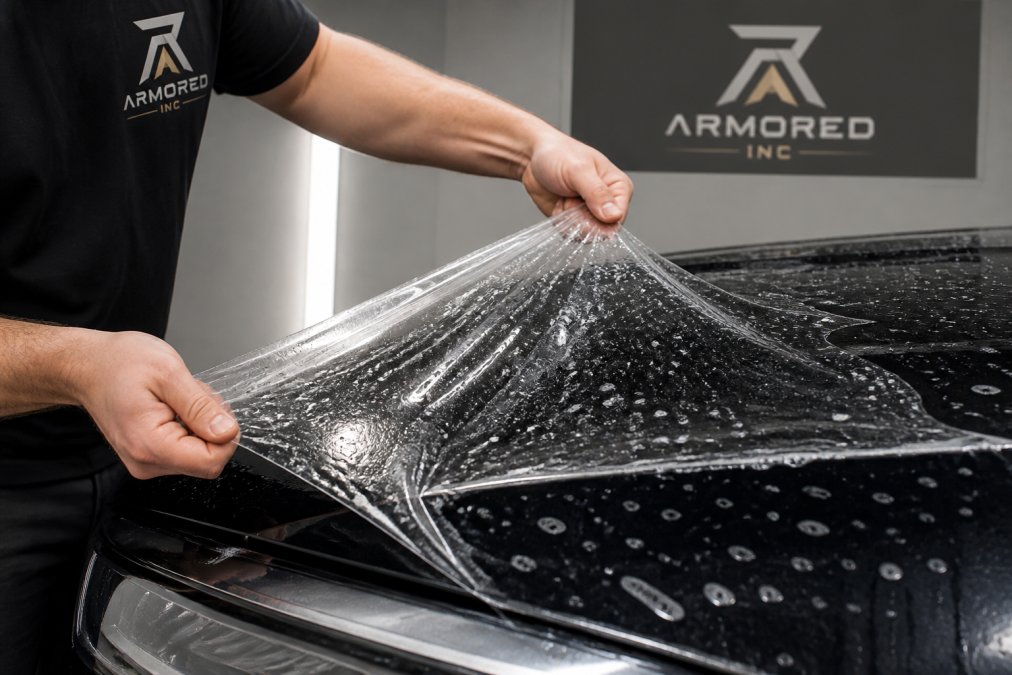
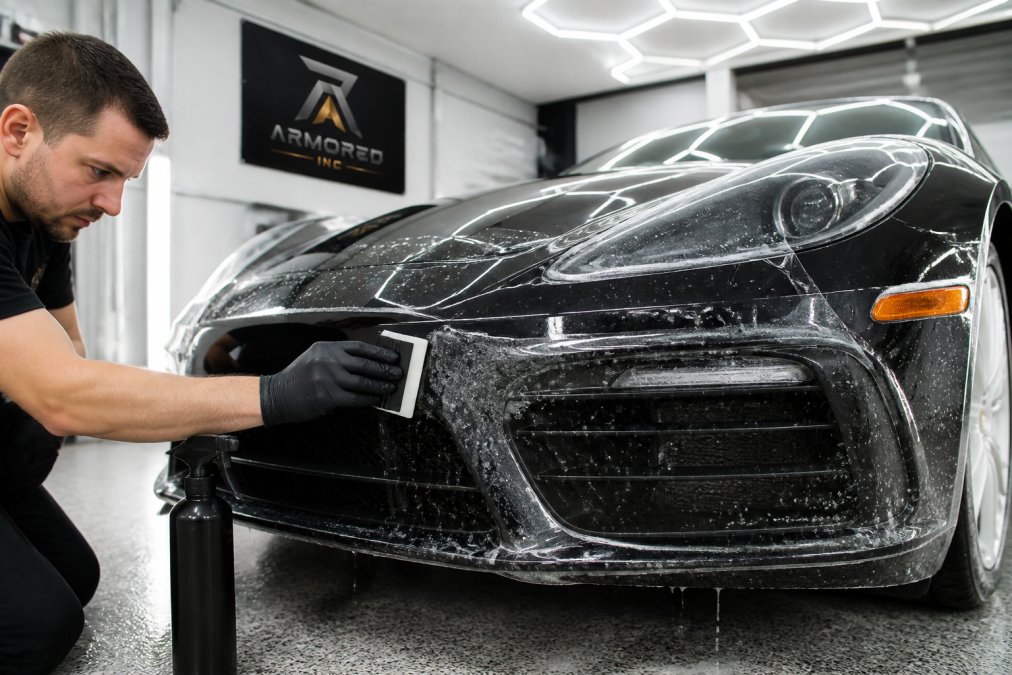
Paint protection film is a durable, transparent urethane layer applied to a vehicle's factory paint to shield it from physical and environmental damage. Ontario's gravel-strewn highways and aggressive winter road salt make this protection essential for preserving a car owner's investment.
An unprotected vehicle can quickly show wear. Within a single winter, a daily driver can accumulate stone chips, salt etching, and micro-scratches that expose the metal and clear coat to spreading oxidation and corrosion (transportation.gov).
Factory paint is thinner than many owners assume. A single high-speed pebble impact can penetrate the clear coat and reach the color layer, requiring a costly repaint that never quite matches the factory application. Paint protection film absorbs that impact instead of your paint.
Below, we break down the seven benefits that matter most for Canadian drivers, how long the protection lasts, and how PPF compares to ceramic coating.
7 Key Benefits of Paint Protection Film for Your Vehicle
The seven core benefits of paint protection film all trace back to one outcome: keeping your factory paint in its original, showroom condition.
-
Stone chip and debris protection. The film's impact-resistant urethane layer absorbs force from road debris before it reaches the paint. This is the primary reason PPF was originally developed for racing applications.
-
UV resistance and oxidation prevention. Constant sun exposure breaks down clear coat over time, causing paint fade and dullness. Quality films block the UV rays responsible for this degradation.
-
Self-healing properties. Modern films have a top coat that uses heat to repair light swirl marks and scratches. A warm day or a heat gun application causes minor surface imperfections to disappear.
-
Chemical resistance. Bird droppings, tree sap, and road salt are highly acidic and can etch into unprotected paint within hours. PPF creates a sacrificial barrier that resists these contaminants.
-
Hydrophobic surface. Most films feature a hydrophobic top coat that causes water to bead and roll off, carrying dirt and grime with it. This means fewer washes and less time spent cleaning.
-
Preserved resale value. A vehicle with intact factory paint commands a higher price on the used market. When the film is removed, the paint underneath remains as it was the day it was applied.
-
Long-term durability. A professionally installed film protects for years, making it a one-time investment rather than a recurring expense like waxing or sealants.
How Long Does Paint Protection Film Last?
Quality paint protection film lasts between five and ten years when properly installed and maintained, depending on the film brand, driving conditions, and how the car is stored and cleaned (xpel.com).
Vehicles parked outdoors year-round in Ontario will see the film degrade faster than garage-kept cars. UV exposure and temperature swings affect the adhesive and clarity over time, so a car sitting through Barrie's freeze-thaw cycles and summer heat wears its protection faster.
Installation quality also plays a decisive role. A film applied by an experienced technician with proper surface preparation bonds evenly and resists edge lifting, while poorly applied film can peel, trap air bubbles, or collect dirt, shortening its effective life.
PPF vs Ceramic Coating: Which Protection Is Right for You?
PPF vs ceramic coating is not a competition where one is objectively superior. They solve different problems, and many owners choose to combine them for maximum protection.
Paint protection film is a thick physical barrier, measured in mils, that absorbs impacts from stones and debris. Ceramic coating is a liquid polymer that cures into a hard, hydrophobic layer measured in microns, providing excellent gloss and chemical resistance but almost no protection against rock chips (ceramicpro.com).
| Factor | Paint Protection Film | Ceramic Coating |
|---|---|---|
| Stone chip protection | High (physical barrier) | Low (thin layer only) |
| UV resistance | High | High |
| Self-healing scratches | Yes (with heat) | No |
| Hydrophobic properties | Good | Excellent |
| Gloss enhancement | Moderate | High |
| Typical lifespan | 5-10 years | 2-5 years |
| Best for | Hood, bumper, mirrors | Full vehicle gloss and ease of cleaning |
Choosing one or the other misses the point. A ceramic coating over a full-body PPF installation gives impact protection where you need it and hydrophobic gloss everywhere else, the standard for owners of high-value vehicles.
If your budget only allows for one, consider where the vehicle faces the most risk: a daily commuter on Highway 400 needs PPF on front-end surfaces, while a weekend show car might benefit more from a full ceramic coating's shine.
Paint Protection Film Maintenance Tips for Long-Term Results
Paint protection film maintenance is simpler than caring for unprotected paint, but it requires specific habits to preserve clarity and self-healing properties, especially through a Barrie winter.
The Barrie Winter Wash Protocol
From November through March, road salt and sand from Highway 400 and city streets accumulate on the film's surface. The key is not letting them sit. Here is the routine that works for daily drivers in Simcoe County:
-
Weekly touchless rinse. A quick pass through a touchless wash removes the loose salt layer before it has a chance to bake onto the film in the sun. Do not use a brush-based automatic wash, the bristles will leave micro-marring on the film's top coat that heat can only partially heal.
-
Monthly hand wash. Use the two-bucket method with a pH-neutral shampoo. Avoid dish soap; its degreasers can strip the film's hydrophobic top coat over time, reducing its self-cleaning properties.
-
Spring deep clean. After the last salt application of the season, give the film a thorough decontamination. A dedicated automotive iron remover, sprayed on a cool surface, will dissolve the iron particles from brake dust and rail dust that embed in the film. Rinse thoroughly and dry with a soft microfiber towel.
What Not to Do in a Canadian Climate
- Do not use an ice scraper on film-covered surfaces. The film is self-healing for light scratches, but a hard plastic scraper can gouge it beyond repair. Use a de-icer spray and let the vehicle warm up instead.
- Avoid pressure washing edges at close range. High-pressure water can lift the film's edges, especially in cold weather when the adhesive becomes more brittle. Keep the nozzle at least 30 cm away and use a wide fan pattern.
- Skip waxes with solvents. Many traditional carnauba waxes contain petroleum distillates that can cloud or yellow PPF. If you want extra gloss, use a spray sealant specifically formulated for paint protection film, or apply a ceramic top coat over the film, a common practice among detailing professionals.
Handling Winter Contaminants
Bird droppings and tree sap are year-round threats, but winter brings a unique one: calcium chloride. Many municipalities in Ontario use this de-icer alongside traditional salt. It is highly corrosive and leaves a white, chalky residue. If you see it on the film, rinse it off within 24 hours. For stubborn spots, a diluted isopropyl alcohol solution (50% water, 50% alcohol) applied with a soft microfiber cloth breaks it down safely.
Seasonal Storage Considerations
If you store your vehicle for the winter, do not just park it. Wash the film thoroughly, apply a PPF-safe sealant, and cover the vehicle. If you use a breathable car cover, ensure it is soft-lined; a flapping cover in wind can cause fine scratches on the film's surface. For vehicles parked outdoors year-round, consider parking with the front end facing away from the afternoon sun in summer to reduce UV stress on the film's adhesive.
Following these maintenance steps will keep your film clear, glossy, and protective for its full lifespan. The film is durable, but it rewards owners who treat it with the same care they give their paint.
Is PPF Worth the Investment for Barrie Car Owners?
For Barrie car owners, paint protection film is worth the investment because the local environment actively works against unprotected paint. Lake-effect snowfall brings aggressive road salt and sand on routes like Highway 400, Essa Road, and Bayfield Street, creating a constant barrage of impacts and chemical exposure that no wax or sealant can withstand.
The Real Cost of Doing Nothing
Compare the numbers. Pricing for a quality front-end PPF installation, covering the hood, bumper, fenders, and mirrors, and for a full-front wrap including pillars and rocker panels depends on the specific vehicle and services chosen. These are one-time costs for 5 to 10 years of protection.
Now consider the alternative. A front bumper repaint at a reputable collision shop, or a full hood repaint, can be a significant expense. Driving on Highway 400 for five years may require at least one bumper repaint from stone chips alone. Add the hood, and the costs can be comparable to PPF, except a repaint may not match the factory finish, and resale value can drop with evidence of bodywork.
The Hidden Cost of Ontario Road Salt
Beyond stone chips, road salt is the silent killer of factory paint. Salt residue left for weeks attacks the clear coat and causes corrosion at stone chip sites, spreading into expensive bodywork. PPF provides a sealed barrier that prevents salt from reaching the paint.
Realistic Longevity Expectations in Barrie's Climate
Be honest about lifespan. A premium film like XPEL Ultimate Plus or 3M Scotchgard Pro Series is rated for 10 years, but in Barrie's freeze-thaw cycles and intense summer UV, most owners see 7 to 9 years before edges show wear or gloss diminishes. A garage-kept weekend car lasts longer; a daily driver parked outdoors is at the shorter end. The warranty covers yellowing, cracking, and delamination for 5 to 10 years, but not physical damage or improper washing.
When PPF Does Not Make Sense
PPF is not for everyone. If you drive a high-mileage commuter car you plan to run into the ground, the investment may not pay off. If you lease for three years, a front-end film avoids wear-and-tear charges, but a full wrap is overkill. And if your vehicle already has significant paint damage, film will lock in the flaws rather than hide them.
The math is straightforward. PPF costs less than a single major repaint, protects the factory finish that defines resale value, and eliminates the anxiety of hearing gravel bounce off your hood. For Barrie's driving conditions, it is one of the few automotive investments that pays for itself.
Conclusion: Protect Your Paint, Preserve Your Investment
The question is not whether your vehicle's paint will face damage, but when. Ontario's roads, weather, and seasonal maintenance practices guarantee it. Paint protection film offers the only true defense against the stone chips, salt exposure, and contaminants that degrade factory paint, while preserving resale value.
At Armored Inc., we specialize in professional paint protection film installation for automobiles, marine vessels, and recreational vehicles across Barrie and the surrounding region. Our technicians have the experience to handle everything from full front-end wraps to complete body coverage, including matte finish films that require specialized care. We also offer mobile service options so the protection comes to you.
If you are ready to stop worrying about stone chips and start enjoying your vehicle, contact Armored Inc. to discuss the right paint protection film solution for your car.
Frequently Asked Questions
Is getting paint protection film worth it for Ontario winters?
Yes, especially in Ontario where road crews apply heavy concentrations of salt and sand. PPF acts as a sacrificial layer that absorbs impacts from stone chips and resists the corrosive effects of road salt on your factory paint. Without protection, salt can etch into the clear coat, leading to premature oxidation and rust. A quality film keeps your paint looking new through multiple winter seasons.
What is the downside of PPF?
The main downsides are the upfront investment and the need for professional installation. Poorly applied film can show edges, lifting, or bubbles. Lower-quality films may yellow or crack over time. However, modern films from reputable installers include self-healing top coats and hydrophobic properties that minimize these risks. The cost is justified when you compare it to repainting a hood or bumper.
How long does paint protection film last in the Canadian climate?
Most quality paint protection films are designed to last between 5 and 10 years, even with Canadian winters. The lifespan depends on the film brand, the conditions it faces, and how well you maintain it. Vehicles parked outdoors year-round in direct sun may see faster degradation. Regular washing and avoiding automatic car washes with stiff brushes will help you get the maximum lifespan from your film.
Does paint protection film protect against rock chips and road salt?
Yes. PPF is engineered with impact-resistant urethane that absorbs the energy of small rocks and debris before they reach your paint. This prevents the chips and cracks common on highways. The film also provides a chemical barrier against road salt, which can oxidize and corrode exposed metal and paint over time. Keeping the film intact means your factory paint underneath stays sealed and protected.