 ultimate-guide
Paint Protection Film Pricing Ontario: A 2026 Guide
Table of Contents
- What Is Paint Protection Film and Why Pricing Varies
- Factors That Influence Paint Protection Film Pricing
- Partial vs. Full Vehicle Coverage: Cost Breakdown
- How Long Does PPF Last in Ontario Climate
- Paint Protection Film vs Ceramic Coating Cost
- Benefits of Paint Protection Film for EVs
- Professional Installation: Why It Matters
- Conclusion
Last Updated: August 24, 2026
What Is Paint Protection Film and Why Pricing Varies
Paint protection film, commonly called PPF or clear bra, is a transparent urethane film applied to vehicle surfaces to shield automotive paint from road debris, stone chips, and environmental contaminants. The film itself is self-healing, minor scratches and swirl marks disappear when exposed to heat, making it an ideal choice for luxury vehicles and sports cars that demand pristine finishes.
Pricing for paint protection film varies significantly based on several factors. The film quality itself plays a major role: premium brands with advanced self-healing properties and superior UV resistance cost more than basic alternatives. The size and complexity of your vehicle matters too. A compact sedan requires far less material and labour than a full-coverage application on an SUV or truck. Whether you choose partial coverage (typically the front bumper, hood, and fenders) or complete vehicle protection dramatically affects the final cost.
Installation quality is another critical pricing variable. Professional-grade installation in a controlled environment demands proper surface preparation, specialized tools, and experienced technicians. At Armored Inc. in Barrie, we emphasize that the film itself is only half the equation, the installation determines whether you get a flawless, long-lasting result or a disappointing outcome with visible imperfections.
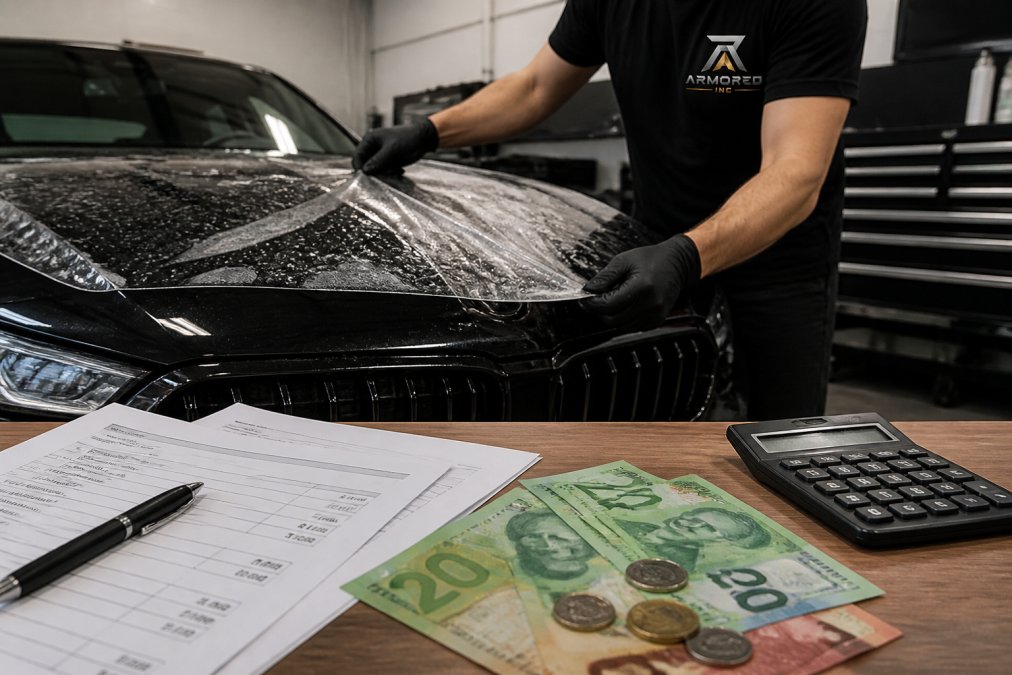
The Ontario climate adds another layer to pricing considerations. Winter road salt, freeze-thaw cycles, and intense summer UV exposure all accelerate wear on unprotected paint. Many vehicle owners in Barrie and the surrounding region invest in PPF specifically because local conditions are harsh on automotive finishes. This regional reality influences both the type of film chosen and the urgency of installation timing.
Factors That Influence Paint Protection Film Pricing
Several concrete elements determine what you'll invest in paint protection film. The vehicle's paint finish is foundational, matte finishes require specialized PPF formulations and more careful installation than standard glossy paint, which naturally commands higher pricing. Sports car and luxury vehicle owners often choose matte protection because the aesthetic stakes are higher.
Film thickness matters more than most people realize. Thicker urethane films (around 8-10 mils) offer superior impact resistance and durability compared to thinner options (5-6 mils). The additional material cost is modest, but the protective benefit is substantial. For vehicles regularly exposed to highway driving or gravel roads, the thicker film becomes a practical choice rather than a luxury upgrade.
Surface preparation is where professional installation separates itself from DIY attempts. Proper paint decontamination removes embedded particles, road tar, and industrial fallout that would otherwise trap under the film. This process takes time and requires specialized chemicals and tools. Rushing or skipping this step leads to visible defects, reduced adhesion, and premature film failure. Professional installers factor preparation time into their pricing because it's non-negotiable for quality results.
The coverage area you select directly impacts labour hours and material consumption. Full front coverage typically includes the hood, fenders, bumper, headlights, and mirrors, roughly 40-50 square feet depending on vehicle size. Full vehicle coverage extends to the entire exterior, which multiplies both material and labour significantly. Partial coverage options like hood-only or bumper-only protection appeal to budget-conscious owners willing to accept higher risk on unprotected areas.
Warranty terms and aftercare support influence pricing as well. Professional installers who stand behind their work with comprehensive warranties charge more upfront because they assume the risk of any adhesion failures or film degradation. This is money well spent, a warranty-backed installation provides peace of mind that a discount job cannot match.
Partial vs. Full Vehicle Coverage: Cost Breakdown
Partial coverage strategies focus protection on high-impact zones. The front bumper, hood, and fenders receive the most stone chip damage during normal driving, especially on highways and rural roads around Barrie where gravel and debris are common. This partial approach typically costs significantly less than full coverage while protecting the areas most vulnerable to damage.
Front-end protection is the most popular partial option. Vehicles driven regularly on highways benefit dramatically from bumper and hood coverage because these surfaces absorb the majority of road debris impact. Many owners choose this strategy as a middle ground between complete protection and no protection at all.
Full vehicle coverage extends protection to doors, quarter panels, roof, rear bumper, and side mirrors. This comprehensive approach makes sense for high-value vehicles, brand-new cars you plan to keep long-term, or vehicles driven in particularly harsh conditions. The cost is substantially higher, but the protection is equally comprehensive. For luxury sports cars and high-end EVs, full coverage becomes the standard choice because the paint finish is both expensive to repair and critical to resale value.
The labour component scales with coverage area. A partial hood-and-bumper installation might require 4-6 hours, while full vehicle coverage demands 16-20+ hours depending on vehicle complexity. This labour intensity directly translates to pricing differences that reflect the time and expertise required.
How Long Does PPF Last in Ontario Climate
Paint protection film typically maintains its protective properties for 5-10 years under normal conditions, though the Ontario climate can accelerate degradation if the film isn't premium quality. The combination of winter salt exposure, UV radiation during summer months, and freeze-thaw cycles creates a challenging environment for any protective coating.
Self-healing properties remain functional for approximately 5-7 years on quality films. After that period, the film may still provide physical protection against chips and scratches, but the self-healing capability diminishes. This is why many Barrie-area vehicle owners plan for film replacement rather than permanent protection.
Film degradation accelerates with poor installation or inadequate aftercare. Films applied over contaminated surfaces or without proper edge sealing will fail prematurely, sometimes within 2-3 years. Conversely, properly installed film with regular maintenance (gentle washing, protective waxing) can last closer to the upper end of the 5-10 year range.
The type of film matters significantly for longevity. Premium brands engineered for self-healing and UV resistance outperform budget alternatives by several years. The initial cost difference is often 20-30%, but the extended lifespan and superior performance justify the investment for vehicles exposed to harsh Ontario conditions.
Maintenance practices directly influence film longevity. Regular washing removes contaminants, while avoiding automatic car washes with harsh brushes prevents premature wear. Professional detailing and protective wax applications extend film life by protecting the top coat from environmental damage.
Paint Protection Film vs Ceramic Coating Cost
Ceramic coatings and paint protection film serve different protective purposes, though both preserve your vehicle's finish. Ceramic coating is a liquid polymer that bonds to the paint surface, creating a hydrophobic, UV-resistant layer. PPF is a physical barrier, actual material placed over the paint. The cost structures reflect these different approaches.
Ceramic coating typically costs less upfront than full-coverage PPF. A professional ceramic application might range from modest investment for a single-layer application to higher cost for multi-layer systems. The coating provides excellent water beading and makes washing easier, but it doesn't prevent physical damage like stone chips or scratches.
Paint protection film, by contrast, prevents the damage from occurring in the first place. It absorbs impact, protects against road debris, and maintains the original paint finish underneath. The tradeoff is higher upfront cost and more complex installation. [EXTERNAL_LINK: general car maintenance costs | cruiserrepair.com].
Many vehicle owners choose both: ceramic coating applied over the paint protection film. This combination maximizes protection and aesthetic benefits. The ceramic layer enhances hydrophobicity and adds gloss, while the PPF underneath handles physical protection. This dual approach costs more initially but delivers comprehensive protection for high-value vehicles.
For sports cars and luxury vehicles in Barrie, the question isn't usually ceramic or PPF, it's which one first, or whether to combine them. The paint finish is too valuable to protect with only one layer of defence.
Benefits of Paint Protection Film for EVs
Electric vehicles present unique paint protection challenges. EV owners often invest heavily in their vehicles' aesthetics because the modern design and finish are central to the ownership experience. The paint on many EVs uses specialized formulations that can be expensive to repair, making prevention through PPF particularly valuable.
EVs spend more time parked in direct sunlight than traditionally driven vehicles because owners often charge at home or workplace during the day. This extended UV exposure accelerates paint degradation and oxidation. Paint protection film shields against this UV damage, preserving the vibrant colour and finish that makes modern EVs visually distinctive.
The resale value of EVs depends heavily on paint condition. Buyers expect pristine finishes on newer vehicles, and any visible damage significantly impacts market value. PPF protects this investment, ensuring the vehicle maintains its showroom appearance throughout the ownership period.
For EV owners in the Barrie region, winter presents additional challenges. Salt spray from road treatments and freeze-thaw cycles accelerate corrosion on unprotected surfaces. Paint protection film acts as a barrier against these environmental stressors, particularly important for vehicles parked outdoors.
Many EV owners choose full vehicle coverage because the paint finish is integral to the vehicle's appeal and value proposition. The relatively modest cost of PPF compared to potential repair or repainting makes comprehensive protection a logical investment.
Professional Installation: Why It Matters
DIY paint protection film installation might seem cost-effective, but the risks far outweigh savings. The process demands precision, specialized tools, and extensive experience with film handling. Minor errors, wrinkles, air bubbles, poor edge sealing, or incomplete coverage, create permanent defects that are expensive or impossible to correct.
Surface preparation is where most DIY attempts fail. The paint must be thoroughly cleaned and decontaminated before film application. This requires clay bar treatment, specialized chemical decontamination, and meticulous drying. Professional installers have the equipment and knowledge to remove embedded contaminants that home enthusiasts typically miss.
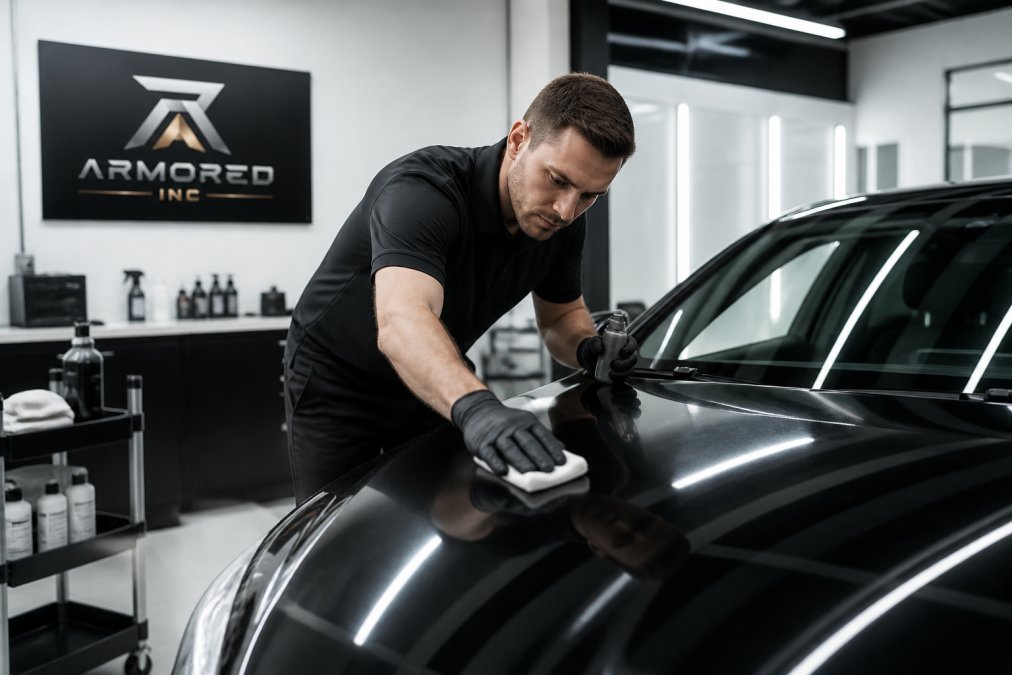
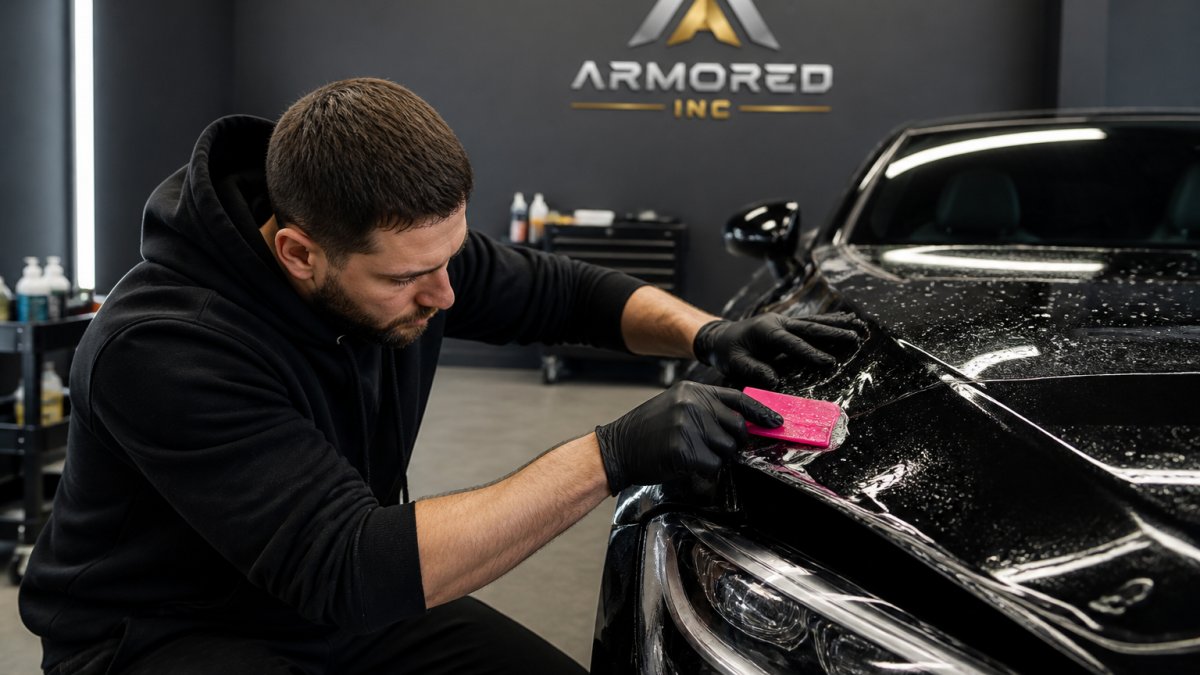
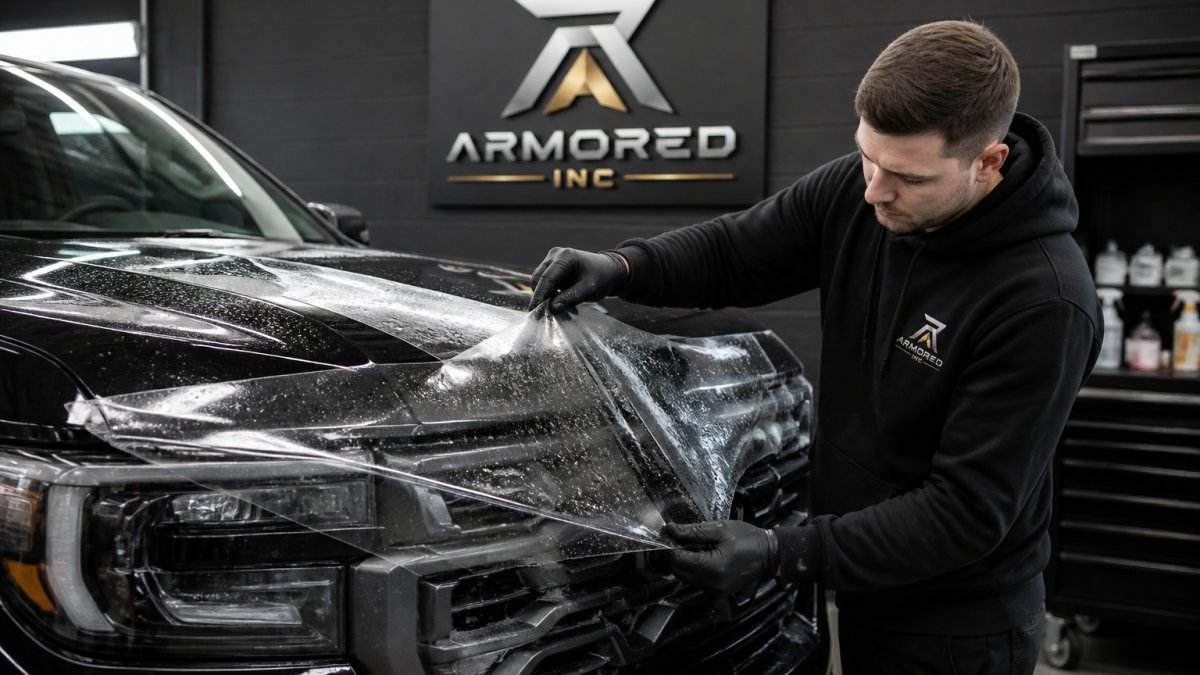
Film application itself demands skill and experience. The film must be cut precisely to vehicle contours, stretched appropriately during installation, and sealed without wrinkles or air pockets. Professional-grade installation tools, heat guns, squeegees, cutting templates, enable results that hand application cannot achieve. At Armored Inc., our technicians have invested years developing the muscle memory and problem-solving skills that separate quality installations from mediocre ones.
Edge sealing is critical for longevity. Poorly sealed edges allow moisture and contaminants to creep under the film, causing adhesion failure and visible degradation. Professional installers use heat and specialized techniques to ensure edges bond completely to the paint surface.
Warranty coverage is another practical reason to choose professional installation. A reputable installer stands behind their work with a warranty that covers adhesion failure, peeling, or yellowing. This protection is unavailable with DIY installation, leaving you responsible for any problems that emerge.
The cost of professional installation reflects the expertise, equipment, and accountability involved. For vehicles worth tens of thousands of dollars, investing in professional-grade protection is simply prudent financial management.
| Installation Type | Upfront Cost | Risk Level | Warranty Coverage | Long-term Value |
|---|---|---|---|---|
| Professional | Higher | Low | Included | Excellent |
| DIY | Lower | High | None | Poor |
| Partial Professional | Moderate | Low | Included | Good |
Paint protection film pricing in Ontario reflects the complexity of the product, the skill required for installation, and the harsh local climate that makes protection necessary. Whether you're protecting a luxury sports car in Barrie, an EV that represents a significant investment, or a marine vessel exposed to salt water, professional-grade PPF delivers protection that justifies the cost.
The decision between partial and full coverage, between ceramic coating alone and PPF, or between DIY and professional installation ultimately depends on your vehicle's value, your usage patterns, and how long you plan to keep the vehicle. For most vehicle owners in Ontario, professional installation of quality paint protection film is the most effective way to preserve the finish and protect resale value.
Armored Inc. specializes in paint protection film installation tailored to your vehicle's needs and your local driving conditions. Our team understands the unique challenges Ontario's climate presents and applies professional-grade techniques to deliver lasting protection. Contact us to discuss your specific protection needs and get a transparent assessment of what your vehicle requires.
Frequently Asked Questions
What factors affect paint protection film pricing in Ontario?
Paint protection film pricing depends on vehicle size and paint surface area, film quality and brand, coverage type (partial front-end versus full body), surface preparation complexity, and local labor rates. Luxury vehicles with complex curves cost more to cover. Ontario's winter conditions may require additional preparation steps. Contact Armored Inc. for a personalized quote based on your vehicle's specific needs.
How long does PPF last in Ontario's climate?
Quality paint protection film typically lasts 7 to 10 years in Ontario's climate, though durability depends on film grade, maintenance habits, and exposure to road salt and UV rays. Self-healing properties help the film recover from minor scratches. Winter road salt and summer UV exposure can shorten lifespan if the film isn't maintained properly. Professional-grade films generally outlast budget options significantly.
Is paint protection film worth it compared to ceramic coating?
PPF and ceramic coatings serve different purposes. Paint protection film shields against physical damage like stone chips and road debris, while ceramic coating provides hydrophobic properties and UV protection. PPF costs more upfront but offers superior impact resistance. Many vehicle owners use both together for maximum protection. The choice depends on your priorities: damage prevention versus aesthetic enhancement and water beading.
Why should EV owners consider paint protection film?
Electric vehicles often feature premium paint finishes worth protecting from environmental damage. PPF preserves the vehicle's resale value and aesthetic appeal while protecting against road salt, winter debris, and UV exposure. EV owners typically keep their vehicles longer, making long-term paint protection a sound investment. Professional installation ensures the film doesn't interfere with sensors or charging ports.
This article was written using GrandRanker