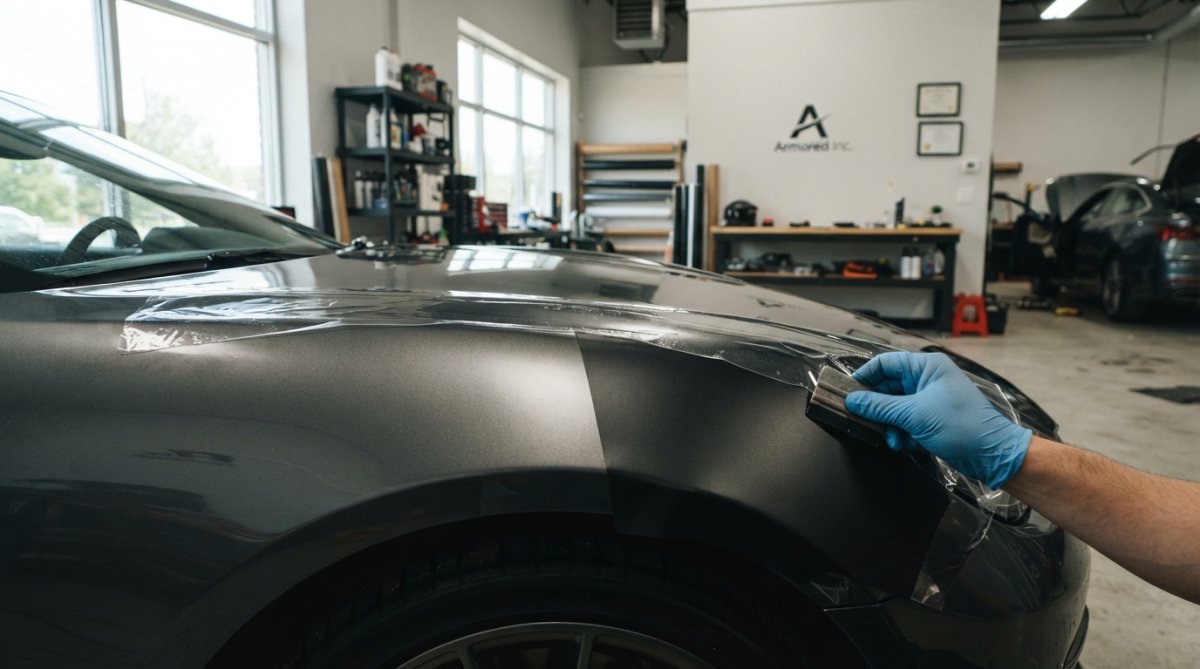
 comparison
Paint Protection Film vs Vinyl Wrap: Which Protects Better
Table of Contents
- Paint Protection Film vs Vinyl Wrap: Core Differences
- How Long Does Car Wrap Last in Canada
- Benefits of Ceramic Coating vs PPF
- PPF Installation Cost in Barrie and What Affects Pricing
- Protection Against Road Debris and Environmental Damage
- Aesthetic Customization and Color Options
- Which Option Is Right for Your Vehicle
- Frequently Asked Questions
Last Updated: September 23, 2026
Paint Protection Film vs Vinyl Wrap: Core Differences
When you're deciding between paint protection film vs vinyl wrap, you're really choosing between two fundamentally different approaches to protecting your vehicle. Paint protection film (PPF) is a transparent polyurethane layer that bonds directly to your factory paint, while vinyl wrap is a colored or textured adhesive film that sits on top of your existing finish. The distinction matters because they solve different problems.
PPF prioritizes preservation. It shields against rock chips, road salt, and UV damage while keeping your original paint visible underneath. Vinyl wrap prioritizes transformation. It changes how your vehicle looks while offering moderate protection from the elements. Think of PPF as invisible armor and vinyl wrap as a custom paint job that's removable.
The choice between them depends on what you're actually trying to achieve. Are you protecting an investment, or are you customizing the appearance? That question alone determines which option makes sense for your situation.
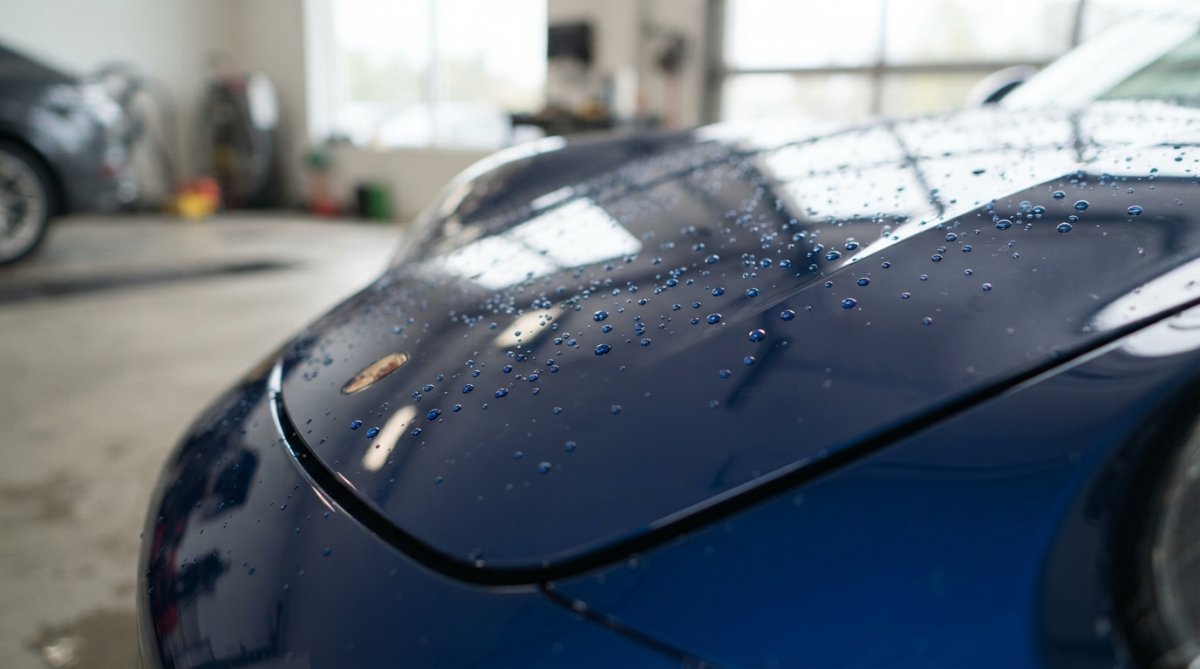
The key technical difference comes down to adhesion and visibility. PPF uses a self-healing topcoat that can repair minor scratches with heat exposure. Vinyl wrap has no self-healing capability, but it's reversible. Remove it in three to five years and your original paint remains intact. PPF is permanent in practical terms, once installed, you're committed to it for the life of the vehicle.
Cost and installation complexity also diverge. PPF installation requires precision cutting and careful application around body lines. Vinyl wrap installation demands similar skill but involves different techniques for stretching and conforming the material around curves. Both require professional installation to avoid bubbles, creases, or misalignment.
How Long Does Car Wrap Last in Canada
A vinyl wrap typically lasts between three and five years in Canada's climate. The lifespan depends heavily on sun exposure, weather conditions, and maintenance. Vehicles parked outdoors in direct sunlight see shorter lifespans than those garaged regularly. Winter road salt and UV exposure from long daylight hours in summer both accelerate degradation.
PPF lasts significantly longer, typically ten years or more when properly maintained (Frequently Asked Questions (FAQs)). The self-healing topcoat extends durability by addressing minor damage before it compounds. However, PPF can yellow over time if exposed to intense UV without adequate protection. Quality films include warranties against yellowing, offering peace of mind for long-term protection.
Environmental factors unique to Canada affect both products. Salt spray from winter road treatment accelerates vinyl wrap deterioration, particularly at panel seams where water can penetrate. PPF handles salt better because it bonds directly to paint, leaving no gaps for moisture to accumulate. However, both require regular cleaning to remove salt residue and prevent corrosion underneath.
Maintenance frequency impacts longevity significantly. Vinyl wraps need hand washing and UV protection products to maintain color vibrancy. PPF requires less active maintenance but benefits from ceramic coating application over the top to extend protection and add hydrophobic properties. The combination of PPF plus ceramic coating creates a multi-layer defense that outlasts either product alone.
Benefits of Ceramic Coating vs PPF
Ceramic coating and PPF serve different protective purposes, and many vehicle owners benefit from using both together. Ceramic coating creates a hydrophobic layer that repels water and contaminants, making cleaning easier and maintaining shine longer. It does not prevent rock chips or impact damage, that's where PPF excels. PPF absorbs impact energy and prevents scratches from reaching the paint underneath.
The real advantage emerges when you layer them. PPF protects against physical damage, and ceramic coating protects against chemical damage and environmental contamination. Water beads and rolls off ceramic-coated surfaces, preventing mineral deposits and acid rain damage. This combination extends the life of both products because ceramic coating reduces the weathering stress on PPF.
Ceramic coating also enhances the appearance of PPF. High-quality PPF maintains a gloss finish, but ceramic coating amplifies that gloss and adds depth to the finish. For luxury and sports car owners in Barrie who care about visual appeal alongside protection, this layered approach delivers both.
The maintenance difference matters too. Ceramic coating reduces washing frequency because contaminants don't bond as readily to the hydrophobic surface. PPF alone requires more frequent washing to prevent water spotting and contamination buildup. When combined, the ceramic layer does much of the protective heavy lifting between washes.
PPF Installation Cost in Barrie and What Affects Pricing
PPF installation pricing in Barrie varies based on several factors that directly impact the final cost. Vehicle size matters, a full-body PPF application on a compact sedan costs less than the same coverage on a full-size SUV or sports car. Coverage area is the primary cost driver. Full-body protection costs more than partial protection like bumpers, hood, and fenders only.
Film quality influences pricing substantially. Premium films cost more than standard options, but they include superior self-healing properties and longer warranties. The difference in quality translates to durability, investing in better film means fewer repairs and longer protection.
Labor complexity adds to the cost. Vehicles with complex body lines, curves, and contours require more careful installation time. Sports cars and luxury vehicles typically involve higher labor costs than standard sedans. Custom cuts around specific areas like headlights, door handles, and trim pieces increase precision requirements and installation duration.
For accurate pricing on PPF installation in Barrie, contact Armored Inc. directly for a quote. Pricing depends on your specific vehicle, coverage choice, and film selection. The team can assess your needs and provide transparent pricing based on your exact requirements. Many vehicle owners find that the protection value justifies the investment, especially for newer luxury and sports cars where paint protection preserves resale value.
Protection Against Road Debris and Environmental Damage
PPF excels at stopping road debris damage that vinyl wrap cannot prevent. Gravel, rocks, and road salt kicked up by other vehicles hit your front bumper, hood, and fenders constantly. PPF absorbs this impact and prevents the debris from reaching your paint. The self-healing topcoat then repairs minor scratches automatically when exposed to heat, whether from sunlight or a heat gun.
Vinyl wrap offers minimal impact protection. It can be punctured or torn by sharp objects, and once damaged, the tear spreads. Road salt also penetrates vinyl wrap at seams and edges, causing corrosion underneath. In Canadian winters, this becomes a real concern. Salt spray from road treatment accumulates under vinyl edges and accelerates paint degradation in those areas.
Environmental damage manifests differently for each product. UV exposure fades vinyl wrap colors over time. PPF resists UV damage but can yellow if the topcoat quality is poor. Premium PPF films resist yellowing through advanced topcoat technology. Environmental contaminants like tree sap, bird droppings, and industrial fallout etch into unprotected paint. Both PPF and vinyl wrap prevent this contact, but PPF's direct bond to paint makes it more effective at preventing etching at microscopic levels.
Moisture damage is where PPF's superiority becomes clear. Water penetrating under vinyl wrap causes corrosion and paint damage that you won't see until removal. PPF bonds to paint with no gaps, preventing moisture penetration at the protected areas. This is especially critical for marine and recreational vehicle owners in Ontario where humidity and salt spray create aggressive corrosion conditions.
Aesthetic Customization and Color Options
Vinyl wrap dominates when aesthetics and customization are your priority. The range of colors, textures, and finishes available is extensive. Matte finishes, satin finishes, chrome effects, carbon fiber patterns, and custom graphics are all possible with vinyl wrap. You can completely transform your vehicle's appearance without touching the original paint.
PPF is inherently limited to transparent or near-transparent finishes. You cannot change your vehicle's color with PPF alone. However, the clarity of modern PPF is exceptional, most people cannot tell it's there. For owners who want to preserve their vehicle's original appearance while protecting it, this invisibility is actually an advantage.
The combination approach works well here too. Apply PPF to high-impact areas like the hood, bumper, and fenders, then add a vinyl wrap accent stripe or partial wrap for visual interest. This hybrid strategy balances protection with customization. Many sports car and luxury vehicle owners in Barrie choose this approach to protect vulnerable areas while adding personalized styling.
Maintenance of the aesthetic finish differs between products. Vinyl wrap colors fade over time with UV exposure, particularly if not garaged.
Which Option Is Right for Your Vehicle
Your choice depends on what you value most. If paint protection and preservation are your primary goals, PPF is the superior choice. It prevents rock chips, road debris damage, and environmental contamination more effectively than vinyl wrap. The self-healing topcoat adds durability, and the long warranty provides security. For newer luxury and sports cars where resale value depends on paint condition, PPF delivers measurable value.
| Comparison Factor | Paint Protection Film | Vinyl Wrap |
|---|---|---|
| Lifespan | 10+ years | 3-5 years |
| Impact Protection | Excellent | Minimal |
| Customization Options | Limited (clear only) | Extensive (colors, textures) |
| Self-Healing | Yes (premium films) | No |
| Reversibility | Permanent | Removable |
| Maintenance | Low | Moderate |
| Cost (Full Vehicle) | Higher upfront | Lower upfront |
| Appearance | Invisible | Visible |
Frequently Asked Questions
Does paint protection film offer better protection than a vinyl wrap?
Paint protection film provides superior impact resistance and protects against rock chips, road debris, and scratches. Vinyl wraps prioritize aesthetics and offer minimal physical protection. PPF is designed as a protective barrier that preserves your factory paint, while vinyl wraps are primarily decorative. If protection is your main concern, PPF is the better choice.
How long does paint protection film last in Canada?
Quality PPF typically lasts 10 years or longer, depending on the brand and environmental exposure. Canadian winters, salt on roads, and UV exposure can affect longevity, but premium films are engineered to resist yellowing and cracking. Professional installation and proper maintenance extend the lifespan significantly.
Which is more expensive: PPF or vinyl wrap?
Vinyl wraps are generally more affordable upfront, with costs starting lower than PPF. However, PPF offers longer-term value because it protects your factory paint and lasts much longer. Vinyl wraps typically need replacement every 3-5 years. The total cost of ownership favors PPF for vehicles you plan to keep long-term.
Can you apply vinyl wrap over paint protection film?
Yes, vinyl wrap can be applied over PPF, though it is not typically recommended. PPF already provides protection, and layering a wrap adds unnecessary cost and complexity. If you want both customization and protection, consider hybrid products which combine the benefits of both in a single application.