 comparison
Ceramic Coating vs Wax: Durability for Canadian Winters
Table of Contents
- Ceramic Coating vs Wax: Which Lasts Longer?
- Durability Showdown: Lifespan of Each Protection
- How Long Does Car Wax Last in Winter?
- Benefits of Ceramic Coating for Canadian Winters
- Comparing Protection: Environmental Contaminants and UV Rays
- Application, Maintenance, and Cost: A Practical Look
- Ceramic Coating Maintenance Barrie: Keeping the Shield Strong
- The Verdict: Choosing the Right Protection for Your Car
- Frequently Asked Questions
Last Updated: September 5, 2026
Ceramic Coating vs Wax: Which Lasts Longer?
When comparing ceramic coating vs wax durability, the answer isn't close: a professional ceramic coating forms a semi-permanent chemical bond with your clear coat that endures for years, while wax sits on the surface as a sacrificial layer that washes away in weeks. This guide from Armored Inc. breaks down how each option performs under Canadian winter conditions, so you can decide where your money is best spent.
Most drivers in Barrie and across Ontario know the frustration: you spend a Saturday waxing, the car looks incredible, and then two salt-laden slush storms later, water stops beading and the shine dulls. Ceramic coatings solve that problem through a fundamentally different mechanism, protection that chemically bonds to your clear coat rather than sitting on top waiting to be stripped away.
Durability Showdown: Lifespan of Each Protection
Ceramic coatings are engineered to last between one and five years depending on the product grade and installation quality (peer-reviewed research). Professional-grade coatings like Gtechniq Crystal Serum Light advertise up to five years of durability with high-level resistance to swirl marks and chemical etching. Consumer DIY kits, such as the Ethos Ceramic Matrix Coating, offer a 9H hardness rating but typically fall short of professionally installed longevity because surface preparation is less thorough.
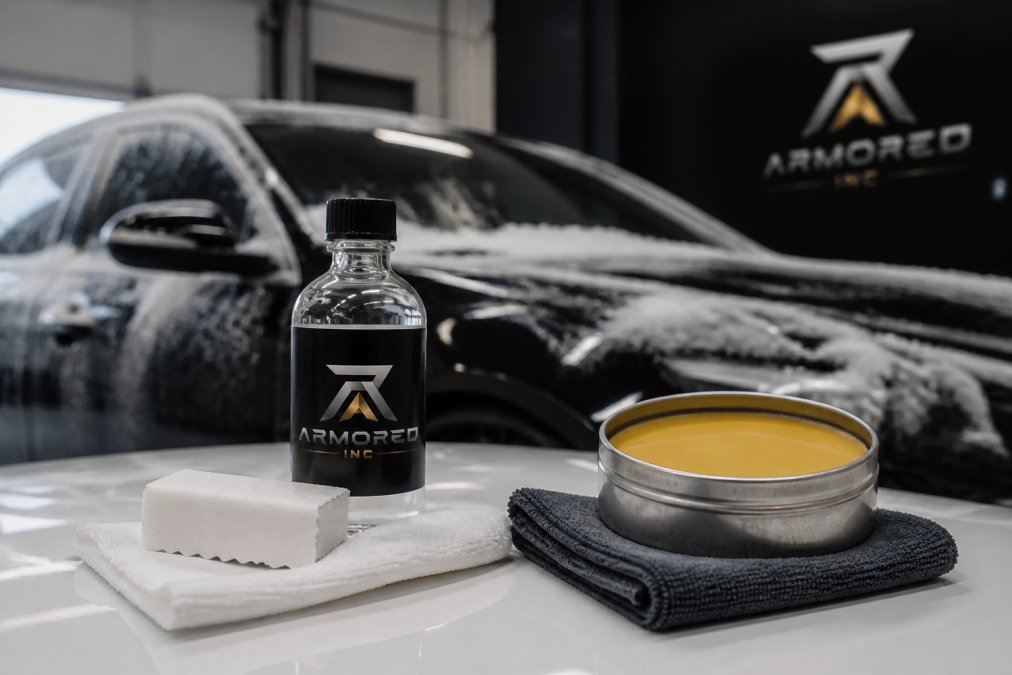
Wax simply cannot compete. A natural carnauba-based product like Chemical Guys Butter Wet Wax costs around $24.99 CAD and delivers a stunning deep glow, but it typically requires reapplication every four to eight weeks, meaning a single Ontario winter demands three or four fresh coats just to maintain a baseline of protection.
| Protection Type | Typical Lifespan | Winter Performance | Reapplication Frequency |
|---|---|---|---|
| Professional Ceramic Coating | 3-5 years | Excellent, chemical bond resists salt | None for years |
| DIY Ceramic Coating | 1-2 years | Good, but prep-dependent | Annual touch-up |
| Carnauba Wax | 4-8 weeks | Poor, washes off quickly | Every 4-8 weeks |
| Synthetic Sealant | 3-6 months | Moderate | Twice per winter |
How Long Does Car Wax Last in Winter?
Car wax lasts between four and eight weeks in normal conditions, but Canadian winters cut that lifespan dramatically. The combination of road salt, freeze-thaw cycles, and aggressive brush washes strips wax from your paint far faster than summer driving. Many drivers find their wax is gone within two to three weeks of continuous winter exposure.
The chemistry explains why. Wax creates a hydrophobic surface by sitting on top of the clear coat, which means it relies entirely on physical adhesion. Road salt acts as an abrasive, while the constant cycling between freezing and melting breaks down the wax's molecular structure. Once the protective layer degrades, your paint is fully exposed to environmental contaminants like road salt and calcium chloride that accelerate corrosion and paint oxidation.
The real story in Barrie and across Ontario is the winter timeline. Municipalities apply a brine solution (a mix of salt and water) to roads before snow events, and that brine is more corrosive than traditional rock salt because it clings to surfaces and seeps into microscopic pores. A single slushy commute can leave a film that, if not washed off within days, begins to etch into the clear coat. Wax, being a soft sacrificial layer, gets washed away by the first few snow melts or undercarriage rinses.
In a typical Ontario winter, from December through March, you can expect:
- December: First heavy snowfall. Your wax may still be intact from a late-November application, but the first brine spray starts breaking it down.
- January: Freeze-thaw cycles are frequent. The wax layer thins, and water beading becomes less uniform.
- February: By mid-February, most wax is gone. The paint is exposed to salt, and you may notice water sheeting instead of beading.
- March: If you haven't rewaxed, your clear coat has been unprotected for weeks. This is when oxidation and micro-etching become visible.
A common pattern among local drivers is that a single wax application rarely survives more than two to three weeks of active winter driving. Even synthetic sealants, more durable than carnauba, typically last only six to eight weeks under the same conditions. The constant need for reapplication is not just a time drain, it also increases the risk of washing-induced swirl marks.
For those who still prefer wax for its warm glow, the best strategy is to apply a high-quality synthetic sealant as a base layer and top it with carnauba for aesthetics. That combination might stretch protection to six weeks, but it still requires a mid-winter refresh. In contrast, a ceramic coating remains chemically bonded to the clear coat and does not wash away, a permanent solution to a seasonal problem.
Benefits of Ceramic Coating for Canadian Winters
The primary benefit of ceramic coating for Canadian winters is that salt and brine cannot easily penetrate a surface with extreme hydrophobic properties. Water beads up and rolls off at the slightest angle, carrying dirt and salt with it. This self-cleaning effect means your paint spends less time in contact with corrosive materials, even when you cannot wash the car for weeks during a cold snap.
Professional ceramic coatings also provide meaningful UV resistance, which matters even in winter when low-angle sun reflects off snow and intensifies exposure. The coating's hardness also protects against micro-scratches from brushing snow off your car or visiting an automatic wash to knock off salt buildup.
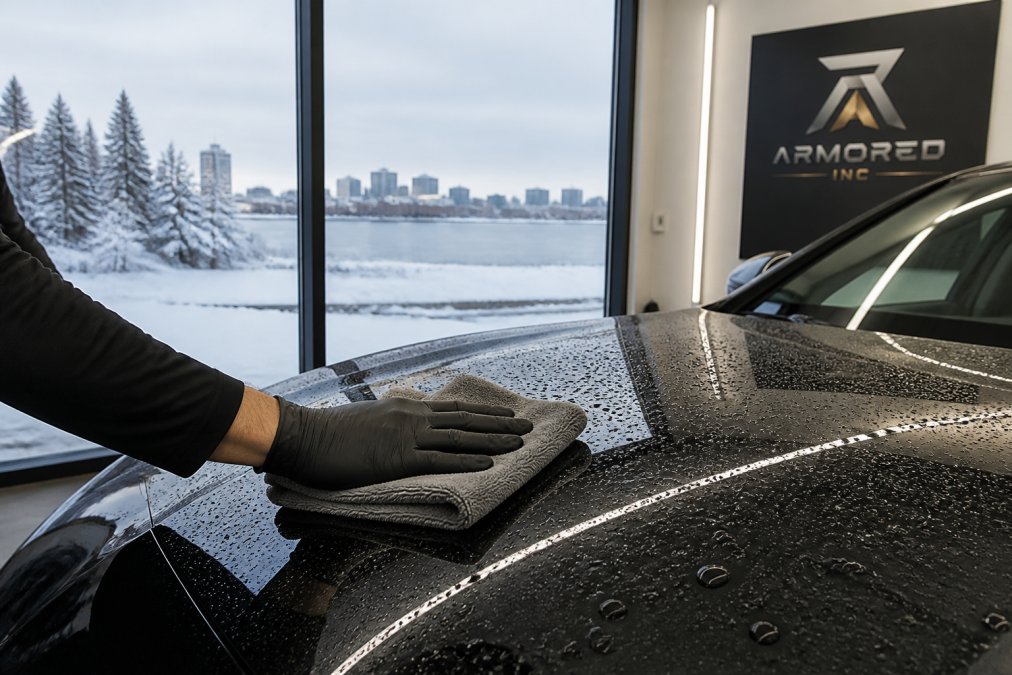
For vehicles that sit outside year-round, including boats and RVs stored through the off-season, the difference is even more pronounced. A ceramic layer keeps them protected against salt air and sun damage without requiring a full detail every spring.
Comparing Protection: Environmental Contaminants and UV Rays
Ceramic coatings win decisively when it comes to environmental contaminants. Bird droppings, tree sap, and water spots contain acids that etch into unprotected clear coat within hours. A ceramic coating's hardness and solvent resistance give you a critical window to wipe these off without permanent damage. Wax offers some short-term protection, but its soft nature means contaminants penetrate through to the paint much faster.
UV protection follows the same pattern. Both products offer some defense against paint oxidation, but the duration differs enormously. Wax degrades under UV exposure, which is why a summer wax job rarely lasts its full theoretical lifespan. Ceramic coatings are formulated with UV blockers that remain stable for years, keeping your finish from fading or yellowing.
Heat resistance also favors ceramic coating. In direct summer sun, surface temperatures on dark paint can exceed 60°C. Wax melts and degrades at these temperatures, while ceramic coatings are designed to withstand extreme heat without breaking down. The combination of UV and heat resistance makes ceramic coating a year-round solution rather than a seasonal one.
Application, Maintenance, and Cost: A Practical Look
Application difficulty separates these two options more than any other factor. Wax is genuinely easy: apply, let it haze, buff off. A beginner can wax a car in under an hour with minimal risk. Ceramic coating demands meticulous surface preparation, including paint correction to remove existing swirl marks and oxidation. Any contamination left under the coating gets sealed in permanently. DIY car maintenance.
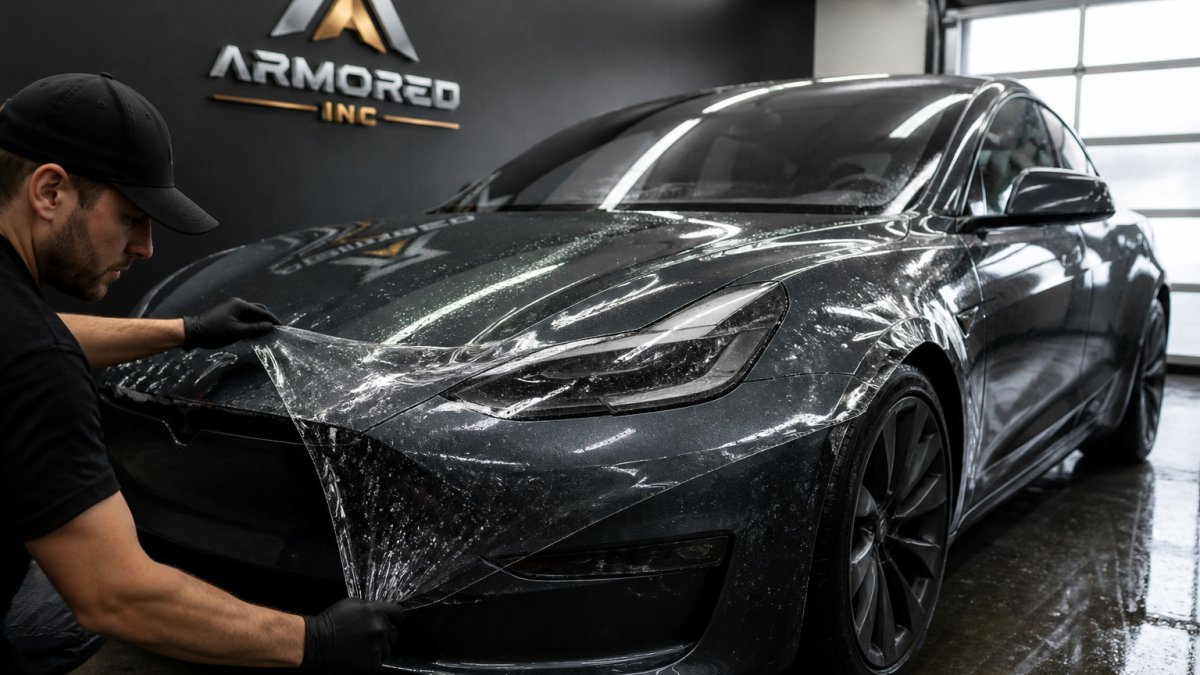
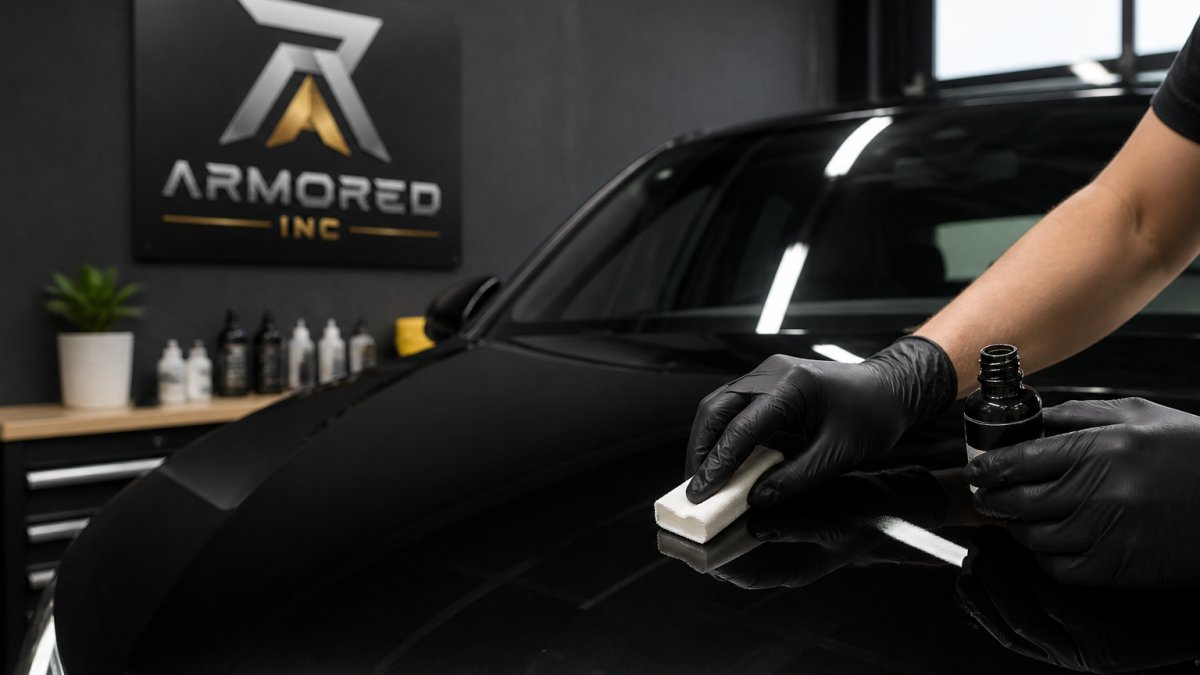
Professional installation eliminates the risk of streaks, hazing, and high spots that plague DIY attempts. At Armored Inc. in Barrie, the process includes expert paint decontamination and preparation before the professional-grade coating is applied. This ensures optimal bonding and durability. The trade-off is cost: professional services cost significantly more than a tub of wax, but the per-month cost of protection favors ceramic coating over a three-to-five-year period.
Maintenance routines differ too. A ceramic-coated car needs only regular washing with pH-neutral soap; the hydrophobic surface makes drying faster and keeps the car cleaner between washes. Waxed cars need frequent reapplication and careful washing to avoid stripping the wax prematurely. Ceramic coating maintenance in Barrie is straightforward: keep the car clean, avoid harsh chemicals, and the coating does the rest.
What does this actually cost in Canadian dollars? A typical carnauba wax product retails for $30 to $60 CAD per tub, and a tub might last a season if you're applying every few weeks. Over three years, you could easily spend $200 to $400 on wax alone, not counting time spent applying it. A DIY ceramic coating kit ranges from $50 to $150 CAD, but the risk of improper application is high, a dusty garage or missed spot during paint correction can lead to permanent high spots, streaking, or premature failure, and removing a botched coating requires machine polishing.
Professional ceramic coating installation in Barrie. Pricing depends on vehicle size, paint condition, and the coating tier. That might sound steep, but when you break it down over a five-year lifespan, it's comparable to what many drivers spend on premium car washes and wax products. The key advantage is that professional installers handle the paint correction, ensuring the coating bonds to a flawless surface. They also have the experience to avoid the 'point of no return' risks that DIYers face.
Maintenance after a ceramic coating is also less demanding. You'll use a pH-neutral shampoo and a contactless wash method to avoid scratching the coating. In winter, you might visit a touchless car wash weekly to remove salt, but the coating's hydrophobic nature means most grime rinses off without agitation. Wax, on the other hand, requires gentle washing, as harsh soaps or aggressive brushes can strip it prematurely. Over a single winter, a waxed car might need three to four reapplications, each requiring a full wash, dry, and buff, hours of time a ceramic-coated car owner spends on other things.
For Barrie drivers, the cost-benefit analysis is clear: if you plan to keep your vehicle for more than two years, ceramic coating is the more economical choice. The upfront investment is higher, but the per-month cost of protection is lower than wax, and you avoid the risk of paint damage from frequent waxing and washing.
Ceramic Coating Maintenance Barrie: Keeping the Shield Strong
Ceramic coating maintenance in Barrie is surprisingly simple, which is exactly why the coating remains effective through harsh winters. The routine involves regular contactless washes to remove salt and grime, followed by drying with a soft microfiber towel. Because the coating is hydrophobic, most contaminants rinse away without heavy scrubbing, reducing the risk of introducing swirl marks.
For Barrie residents searching for "ceramic coating near me," professional maintenance checks matter. A certified installer can assess whether the coating's hydrophobic properties are performing correctly and recommend a top-up product if needed. This is particularly valuable after winter, when salt buildup can mask the coating's effectiveness even though the layer itself is intact.
The key difference from wax maintenance is frequency. Wax demands attention every few weeks. A ceramic coating requires a simple wash routine and an annual inspection. For busy owners of luxury cars, sports cars, and EVs across Barrie, Newmarket, and Muskoka, that difference translates into hours of saved time each year.
The Verdict: Choosing the Right Protection for Your Car
Ceramic coating is the clear winner for durability, environmental resistance, and long-term value in Canadian winters. Wax remains a legitimate choice for enthusiasts who enjoy the ritual of frequent detailing and prefer the warm, deep glow of carnauba. But if your priority is protecting your investment through road salt, UV exposure, and temperature extremes, ceramic coating is the only option that performs all season without constant upkeep.
Consider your vehicle type and usage. A weekend classic car that lives in a heated garage might do fine with wax applied before each show season. A daily driver, an EV, a boat that sits in the water, or a dealership lot full of inventory needs the year-round protection only a ceramic coating provides.
For drivers in Barrie and across Ontario, professional installation removes the guesswork. Armored Inc. specializes in ceramic coatings, paint protection film, and window tinting for automobiles, marine vessels, and RVs. Our team handles the paint correction and surface preparation that determine whether your coating lasts three years or five, and we offer mobile services, valet options, and rental cars so the process fits your schedule.
Choosing between ceramic coating and wax should come down to how much time you want to spend maintaining your vehicle's finish through Canadian winters. Wax is cheaper upfront but demands constant reapplication. Ceramic coating costs more initially but delivers years of hydrophobic protection, UV resistance, and scratch defense without repeated effort. Armored Inc. in Barrie offers professional ceramic coating installation with expert surface preparation, paint protection film for added coverage, and window tinting for UV protection, backed by mobile service and rental car options. Contact Armored Inc. to discuss the right protection plan for your vehicle and get a quote based on your specific needs.
Frequently Asked Questions
Is ceramic coating really better than wax for Barrie winters?
For Barrie winters, ceramic coating offers superior durability and protection compared to wax. Its hard, hydrophobic surface resists road salt, sand, and harsh freeze-thaw cycles far longer than a sacrificial wax layer. While wax provides a temporary shield, a ceramic coating is engineered for years of protection, making it the more effective choice for the demanding Canadian climate.
What is the main downside of ceramic coating compared to wax?
The primary downside is cost and application. Professional ceramic coating requires a higher upfront investment and meticulous surface preparation, including paint correction, for optimal bonding. Wax is inexpensive and easy to apply. However, the longevity and superior protection of ceramic coating often justify the initial expense for those seeking long-term paint preservation.
Can ceramic coating really last 5 years in the Canadian climate?
Professional-grade ceramic coatings can last up to 5 years or more, even in the Canadian climate, when applied and maintained correctly. The key factors are professional surface preparation and proper maintenance, including regular washes with pH-neutral soap. Harsh winters with road salt will degrade the coating over time, but a quality installation in Barrie should hold up well within that timeframe.
Can I wax my car even if it has ceramic coating?
Yes, you can apply a carnauba or synthetic wax over a ceramic coating. Many owners use a wax or spray sealant as a sacrificial top layer to enhance gloss and hydrophobicity. However, it is not necessary for protection. Using a dedicated ceramic coating maintenance product is usually recommended to preserve the coating's integrity and avoid masking its self-cleaning properties.
This article was written using GrandRanker