 listicle
Top 5 Boat Hull Protection Products for Barnacles
Table of Contents
- Why Boat Hull Protection Matters for Barnacle Prevention
- Quick Comparison: Top 5 Hull Protection Products
- 1. Armored Inc. Ceramic Coating for Marine Vessels
- 2. Bottom Paint to Prevent Barnacles: Antifouling Systems
- 3. Hull Shield HD4 Anti-Fouling System
- How to Remove Barnacles from a Boat Hull: Cleaning Products
- Freshwater Boat Hull Protection: Lake Simcoe and Beyond
- Which Product Should You Choose?
- Frequently Asked Questions
Last Updated: October 10, 2026
Why Boat Hull Protection Matters for Barnacle Prevention
Barnacles and marine growth increase drag, reduce fuel efficiency, and cause cosmetic damage that compounds over time. Ignoring hull protection leads to more frequent maintenance and costly repairs.
This guide covers the top 5 boat hull protection products for barnacles, helping boat owners in Barrie and across Ontario make informed decisions about prevention versus removal.
Quick Comparison: Top 5 Hull Protection Products
| Product | Type | Best For | Key Advantage |
|---|---|---|---|
| Armored Inc. Ceramic Coating | Long-term protection | Marine vessels needing durability | Professional application, marine-grade hydrophobicity |
| Bottom Paint (Antifouling) | Seasonal prevention | Freshwater boating | Proven marine growth prevention technology |
| Hull Shield HD4 Anti-Fouling System | Electronic prevention | Owners avoiding chemical coatings | Non-toxic ultrasonic technology |
| Barnacle Buster Concentrate | Cleaning/removal | Existing buildup | Concentrated formula for stubborn deposits |
| STAR BRITE Instant Hull Cleaner | Maintenance cleaning | Regular hull upkeep | Fast-acting fiberglass cleaner |
1. Armored Inc. Ceramic Coating for Marine Vessels
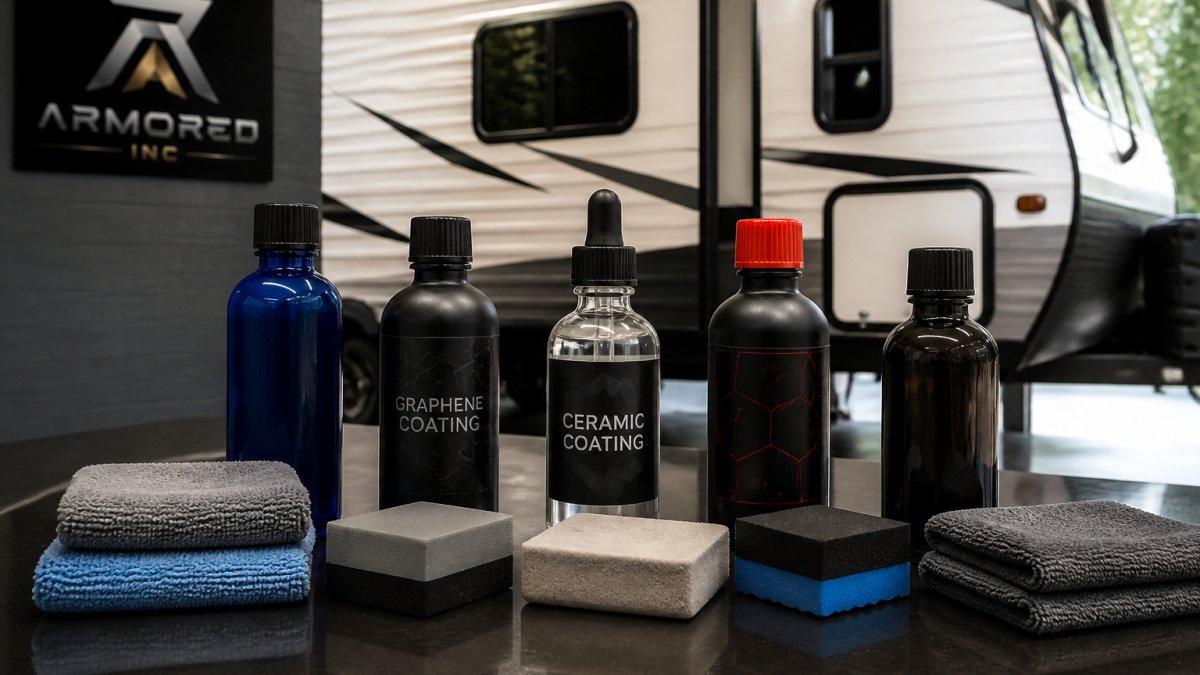
Armored Inc. delivers professional ceramic coatings engineered for boat hulls. The marine-grade formula provides hydrophobicity and UV protection, preventing organic material buildup that leads to barnacle attachment.
The ceramic coating creates a slick, non-porous surface that organisms struggle to grip. Unlike temporary bottom paints that wear away each season, professional ceramic application preserves hull integrity for years with precision coverage.
Mobile services eliminate transportation hassle for Barrie and Lake Simcoe boat owners.
Pros:
- Professional application ensures complete, even coverage
- Long-lasting protection (multiple seasons)
- Reduces barnacle and algae attachment
- Enhances hull appearance and shine
- Mobile service available for convenience
Cons:
- Higher upfront cost than seasonal bottom paint
- Requires professional application (not DIY-friendly)
- Needs occasional maintenance to maintain hydrophobicity
2. Bottom Paint to Prevent Barnacles: Antifouling Systems
Antifouling bottom paint is the marine industry standard for preventing barnacles and marine growth. These specialized coatings contain biocides that discourage organisms from settling on your hull, offering proven, cost-effective protection.
As the paint weathers, it releases active ingredients that create a hostile environment for barnacles, mussels, and algae. Brands like Sea Hawk and TotalBoat formulate paints specifically for freshwater conditions.
Most antifouling paints require reapplication every 12 to 24 months, depending on water conditions and boat usage.
Pros:
- Proven technology with decades of marine use
- Effective against barnacles, mussels, and algae
- Affordable compared to ceramic coatings
- Available in multiple formulations for different hull types
- Familiar application process
Cons:
- Requires regular reapplication (typically annual or biennial)
- Contains chemicals that need careful handling
- Less durable than ceramic coatings
- Performance degrades with time and water exposure
3. Hull Shield HD4 Anti-Fouling System
The Hull Shield HD4 uses ultrasonic technology to prevent marine growth without paint or chemicals. Installed inside your boat, it emits frequencies that discourage organisms from attaching to the hull.
For boat owners concerned about environmental impact, ultrasonic systems offer an alternative with no seasonal recoating or maintenance required.
Independent verification of barnacle prevention effectiveness remains limited. Boat owners considering this option should request references from current users in freshwater environments like Lake Simcoe.
Pros:
- Non-toxic, chemical-free approach
- No seasonal recoating required
- Installed inside the boat, protecting the hull without surface application
- Low ongoing maintenance
Cons:
- Limited independent performance data available
- Higher initial installation cost
- Effectiveness claims require verification from marine retailers
- May not suit all boat types or hull configurations
How to Remove Barnacles from a Boat Hull: Cleaning Products
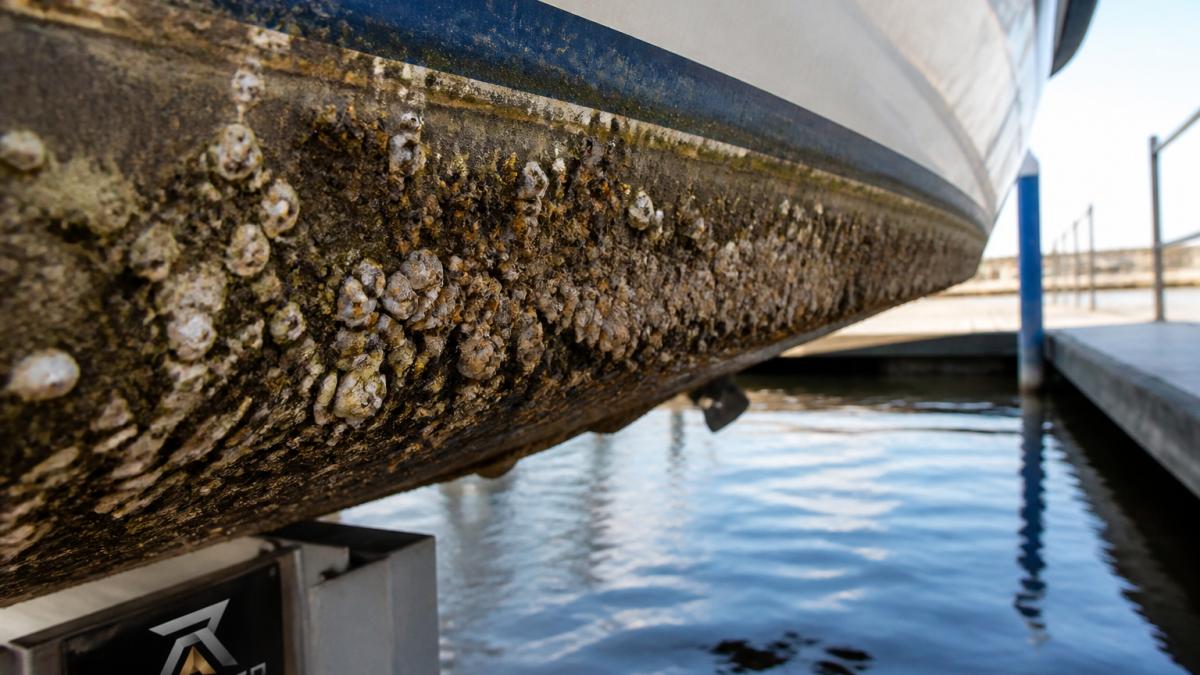
When barnacles have already taken hold, specialized hull cleaners dissolve organic deposits and lift stubborn buildup without damaging fiberglass or gel coat.
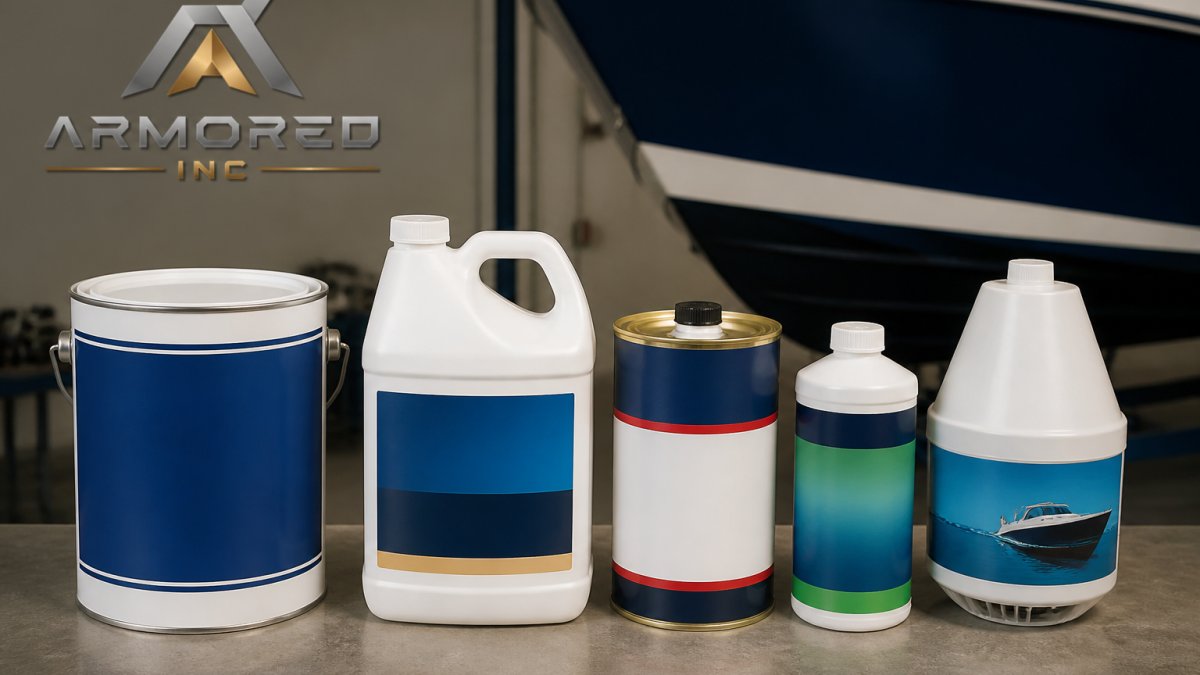
Barnacle Buster Concentrate breaks down barnacle, mussel, and scale buildup. The concentrate format lets you dilute it to suit buildup severity, stretching your dollar on larger jobs.
STAR BRITE Instant Hull Cleaner lifts stains and light organic growth without scrubbing. Regular use prevents heavy barnacle accumulation.
Cleaners remove existing growth; protective systems prevent future growth. Most boat owners combine both: clean thoroughly, apply protection, then maintain with occasional cleaning.
Freshwater Boat Hull Protection: Lake Simcoe and Beyond
Freshwater boating in Ontario presents different fouling challenges than saltwater. Lake Simcoe's specific conditions demand tailored protection strategies.
Freshwater Fouling Organisms in Lake Simcoe
Lake Simcoe hulls are primarily threatened by zebra mussels, quagga mussels, and filamentous algae. Zebra mussels attach in dense clusters during peak spawning season (June-September). An unprotected hull can acquire a 2-3 cm mussel layer in a single season, significantly increasing drag and fuel consumption.
Filamentous green algae and diatom films also colonize hulls in shallow, nutrient-rich areas. Unlike saltwater barnacles, freshwater mussels attach via byssal threads and can sometimes be removed by gentle scrubbing, but prevention is far more cost-effective than removal.
True acorn barnacles are rare in Lake Simcoe. Hard, cone-shaped shells are almost certainly zebra or quagga mussels. Freshwater antifouling paints are optimized to prevent mussel and algae attachment, not saltwater barnacle species.
Seasonal Fouling Risk and Timing
Lake Simcoe's fouling risk is highly seasonal. Water temperatures below 10°C (November-April) suppress mussel spawning and algal growth. Boats hauled in October and relaunched in May experience minimal fouling, even without protective coatings.
Peak fouling occurs June-September when water temperatures exceed 15°C. Seasonal boats (hauled by October, relaunched in May) need lighter protection; year-round boats need robust protection for the full high-risk season.
Mooring Location and Water Conditions
Fouling intensity varies by mooring location. Shallow, sheltered bays experience heavier fouling than exposed, deeper waters. High-fouling zones require full antifouling paint or ceramic coating; well-flushed areas need lighter protection.
Water clarity also matters. Clearer, deeper areas of Lake Simcoe (such as the central basin) support less algal growth than turbid, nutrient-rich shallows. Boats used primarily for open-water cruising accumulate less fouling than those kept in marinas or shallow bays, simply because they spend less time in high-fouling microhabitats.
Product Selection by Usage Pattern
For seasonal storage (hauled October-May): Antifouling bottom paint applied in spring provides adequate protection for the 5-7 month high-risk season. Ceramic coatings are overkill for seasonal boats unless you prioritize appearance and durability over cost.
For year-round mooring in moderate-fouling areas: A two-coat antifouling system (applied every 12-18 months) or a professional ceramic coating provides reliable protection. The ceramic option lasts multiple seasons and requires only occasional maintenance cleaning. Antifouling paint requires annual or biennial reapplication but costs less upfront.
For year-round mooring in high-fouling zones (shallow bays, stagnant marinas): Professional ceramic coating or a premium antifouling system with biocide boosters is necessary. Ultrasonic systems alone are not recommended for these locations; pair them with light antifouling paint or plan for frequent hull cleaning (every 4-6 weeks during summer). Some boat owners in high-fouling areas apply a fresh coat of antifouling paint mid-season (July or August) to maintain protection through peak mussel settlement.
For frequent-use boats (launched and hauled multiple times per season): Light protection suffices because the fouling cycle is repeatedly interrupted. A single coat of antifouling paint or a ceramic topcoat prevents growth during storage periods. Boats moved frequently accumulate less fouling naturally.
Freshwater-Specific Antifouling Formulations
Not all antifouling paints are created equal for freshwater. Saltwater formulations contain biocides optimized for marine barnacles and may underperform against zebra mussels. When purchasing bottom paint for Lake Simcoe, confirm the label specifies "freshwater" or "zebra mussel prevention." Brands with proven freshwater performance include:
- Sea Hawk Ultima: Freshwater-rated, self-polishing copolymer formula; effective against mussels and algae; available at Canadian marine retailers; approximately CAD $200-$250 per gallon.
- TotalBoat Kop-Coat: Freshwater formulation with copper-based biocide; strong mussel prevention; widely stocked in Ontario; approximately CAD $180-$220 per gallon.
- Interlux Fiberglass Bottomkote: Freshwater option with proven performance in Great Lakes conditions; approximately CAD $200-$280 per gallon.
Each requires surface preparation (sanding to bare fiberglass or gel coat), typically 2-3 coats for full protection, and reapplication every 12-24 months depending on water conditions and boat usage.
Environmental and Regulatory Considerations
Ontario's Environmental Protection Act and local marina regulations increasingly restrict copper-based antifouling paints in sensitive areas. Some marinas in the Barrie region have begun phasing out traditional copper-biocide paints in favor of non-copper alternatives or ceramic coatings. Before purchasing antifouling paint, check with your marina or mooring location for any restrictions. Ceramic coatings and ultrasonic systems avoid these regulatory concerns entirely.
Making Your Choice
The best freshwater hull protection for your Lake Simcoe boat depends on three factors: (1) storage pattern (seasonal or year-round), (2) mooring location (sheltered bay or exposed water), and (3) budget and maintenance tolerance. Seasonal boats in moderate-fouling areas benefit most from affordable antifouling paint. Year-round boats in high-fouling zones justify professional ceramic coating. Boats in well-flushed, low-fouling areas can get by with light protection or even ultrasonic systems paired with occasional cleaning. Consult with local marine service providers in Barrie who understand Lake Simcoe's specific conditions; they can recommend the protection level that matches your boat's actual fouling risk rather than generic industry standards.
Which Product Should You Choose?
Choose Armored Inc. Ceramic Coating if: You want the longest-lasting protection and don't mind professional application. Ceramic coatings excel at reducing barnacle attachment and maintaining hull appearance for multiple seasons. This is the premium choice for boat owners who prioritize durability and convenience.
Choose Antifouling Bottom Paint if: You prefer a familiar, cost-effective approach with predictable annual or biennial maintenance cycles. Bottom paint works reliably for freshwater boating and remains the industry standard for a reason.
Choose Hull Shield HD4 if: You want a non-chemical, installed system that requires minimal ongoing maintenance. This suits owners concerned about environmental impact or those seeking a truly hands-off approach.
Choose a Hull Cleaner if: Barnacles have already established themselves and you need removal before applying new protection. Barnacle Buster Concentrate and STAR BRITE handle different cleaning intensities, choose based on buildup severity.
The best boat hull protection product for barnacles depends on your boat's material, your mooring location, your budget, and how much maintenance you're willing to perform. For Barrie boat owners seeking professional-grade protection with minimal hassle, Armored Inc. offers ceramic coatings engineered for marine vessels. Our team applies the coating with precision, ensuring your hull stays pristine and performs at its best.
Protecting your boat hull from barnacles and marine growth isn't optional, it's essential for maintaining your investment and keeping your vessel performing reliably. Whether you choose professional ceramic coating, proven antifouling paint, or an innovative ultrasonic system, the key is acting before barnacles establish themselves. Contact Armored Inc. today to discuss ceramic coating options for your marine vessel. Our team in Barrie specializes in marine surface protection, offering mobile services and professional application that preserve the integrity of your boat for years to come.
Frequently Asked Questions
What is the best way to get barnacles off a boat hull?
Removal depends on buildup severity. Light deposits respond to concentrated hull cleaners like Barnacle Buster Concentrate, diluted and applied with soft scrubbing. Heavy barnacle growth may require professional cleaning to avoid damage to fiberglass or gel coat. Prevention is more cost-effective than repeated removal; applying bottom paint or ceramic coating before barnacles establish reduces future cleaning frequency and effort significantly.
Do barnacles grow in freshwater lakes like Lake Simcoe?
Freshwater boat hull protection differs from saltwater. True barnacles (marine crustaceans) require saltwater and do not survive in freshwater lakes. However, freshwater boats face algae, mussels, and organic buildup that degrade hull condition and performance. Freshwater-specific antifouling coatings and regular cleaning prevent this growth, preserving hull integrity year-round in Canadian lakes.
Can ceramic coating protect a boat hull from marine growth?
Boat hull ceramic coating creates a hydrophobic barrier that reduces organic material adhesion and makes cleaning easier. Unlike traditional bottom paint, ceramic coatings do not contain biocides, so they slow rather than prevent growth entirely. They excel at protecting gel coat and fiberglass from UV damage and staining. For maximum protection in saltwater, combine ceramic coating with antifouling bottom paint underneath.
What type of boat bottom paint helps prevent barnacles?
Antifouling bottom paint contains biocides that prevent barnacle, mussel, and algae attachment. Copper-based formulas are traditional and effective; newer options reduce environmental impact. Paint durability varies by water type and boat usage; saltwater exposure typically requires reapplication annually, while freshwater boats may extend intervals. Choose paint rated for your specific hull material, whether fiberglass, gel coat, or aluminum.