 How-to
7 Best Ways to Protect New Car Paint From Day One
Last Updated: November 13, 2026
Quick Summary
The best car paint protection is to add a protective layer before the first Ontario winter touches the paint. For impact protection, paint protection film on high-impact panels is often the stronger first investment, while a ceramic coating adds gloss, hydrophobicity, and UV resistance. Using both gives impact protection where it matters plus easy washing everywhere.
- Road salt and brine are the biggest paint threat in this region, creeping into panel gaps and wheel wells.
- Wax needs reapplication every few months, while paint sealants often last several months to a year.
- Ceramic coatings resist light scratches but do not stop rock chips; film absorbs chips and debris.
- Wash coated cars with pH-neutral shampoo and microfiber, and avoid automatic brush washes entirely.
- Lease or keep under three years? A quality sealant or spray coating costs far less up front.
Table of Contents
- Why New Car Paint Needs Protection Before the First Winter
- What Actually Damages New Paint: Road Salt, UV, and Debris
- Wax, Sealant, or Ceramic: A Comparison of Paint Protection Options
- Ceramic Coating vs Paint Protection Film: Which One Belongs on Your Car
- How Long Does Ceramic Coating Last on a Car?
- How to Wash a Ceramic-Coated Car Without Dulling the Finish
- How to Maintain Ceramic Coating Through Canadian Seasons
- Choosing a Protection Plan: Prep, Budget, and Ownership Period
- Frequently Asked Questions
Why New Car Paint Needs Protection Before the First Winter
The best car paint protection is to add a protective layer before the first Ontario winter touches it. Factory clear coat is thin, and it starts collecting damage from the first drive home. Vehicles a few months old can already show rock chips and salt film dulling the paint.
New-car paint has one job: look good for as long as possible. Everything in this guide serves that goal.
What Actually Damages New Paint: Road Salt, UV, and Debris
Damage rarely arrives in one dramatic event. It accumulates through three everyday sources, and understanding them explains why some protection methods outperform others.
Winter Salt and Brine on Ontario Roads
Road salt and brine are the biggest threat to paint in this region. Winter road maintenance applies salt and liquid brine to roads, and that mixture can stay on your panels long after the storm passes. Salt draws moisture, holds it against the clear coat, and accelerates corrosion at every chip and seam. Brine is worse than dry salt because it creeps into panel gaps and wheel wells where a sponge never reaches.
Sun Exposure, Bird Droppings, and Swirl Marks
Ultraviolet light breaks down clear coat slowly, fading pigments and leaving a chalky surface. Bird droppings are acidic enough to etch permanently if left for a day in summer heat. Swirl marks come from washing: a dry towel, a gritty sponge, or an automatic brush wash drags grit across the surface and leaves fine circular scratches that show up under any light source.
Wax, Sealant, or Ceramic: A Comparison of Paint Protection Options
Each option sits at a different point on the trade-off between effort, cost, and durability. Here is how they compare.
| Method | Durability | Protection Level | Best For |
|---|---|---|---|
| Paste or liquid wax | Weeks to a few months | Basic, sacrificial layer | Enthusiasts who enjoy regular hands-on care |
| Paint sealant | Several months to a year | Moderate, synthetic barrier | Owners who want low effort without a full coating |
| Ceramic coating | Years with proper care | High, semi-permanent layer | Long-term owners wanting gloss and easy washing |
| Paint protection film | Years | Highest, physical barrier | New cars facing highway debris and gravel |
Paste Wax and Liquid Wax
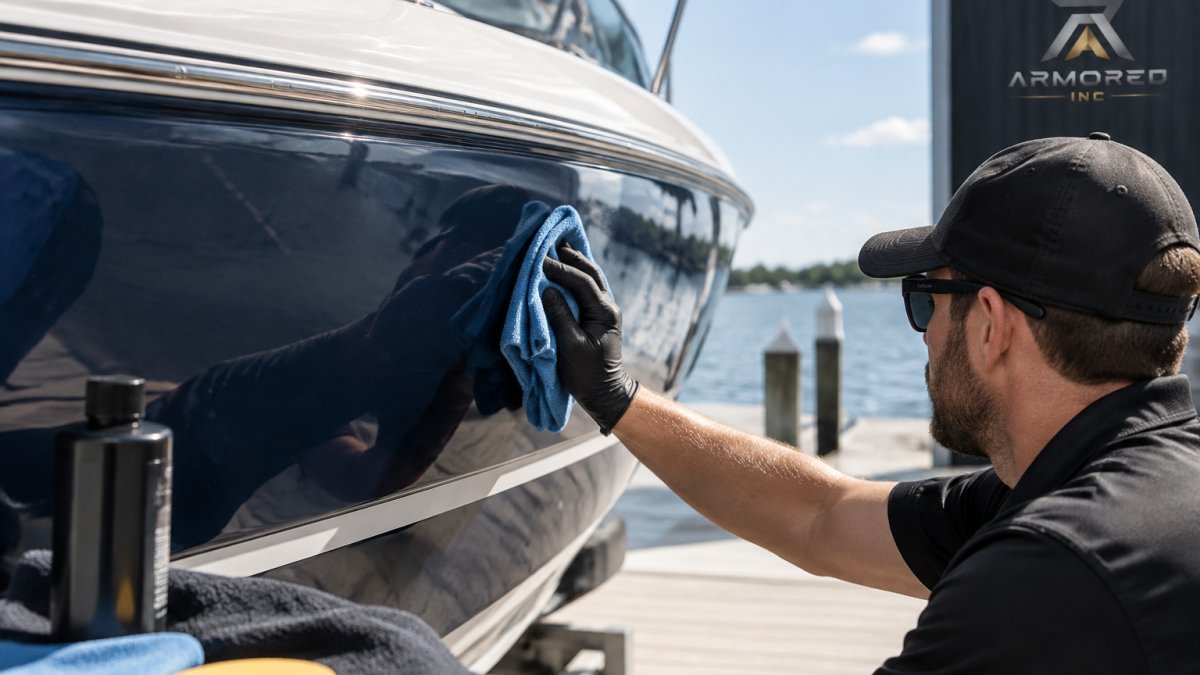
Wax is the traditional choice and still a good one for some owners. Paste wax and liquid wax, often built on carnauba wax, sit on top of the clear coat and give a warm, glossy finish. They also make regular washing easier. The catch is durability: wax breaks down in heat, sun, and repeated washing, so it needs reapplication every few months.
Paint Sealants
Paint sealants are synthetic products that bond to the clear coat and last longer than wax, often several months to a year. They are easy to apply, resist UV damage reasonably well, and cost less than a professional coating. A sealant is a sensible middle ground for a daily driver that lives outside but doesn't see much highway gravel.
Ceramic Coatings and Graphene Coatings
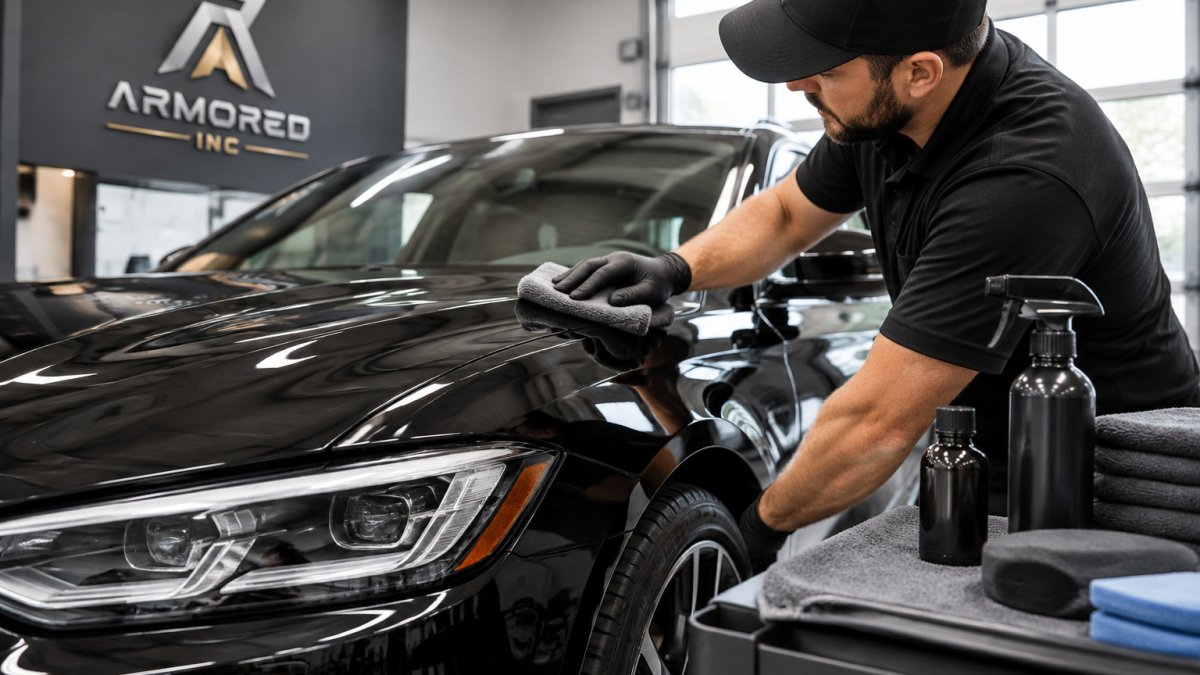
Ceramic coatings form a semi-permanent layer that bonds to the paint and delivers strong hydrophobicity, meaning water beads and rolls off, taking dirt with it. Graphene coatings follow a similar idea with different chemistry. Both give a deep glossy finish and make hand washing far easier. For a direct breakdown of how these layers protect, see our comparison of ceramic coating vs paint sealant.
Ceramic Coating vs Paint Protection Film: Which One Belongs on Your Car
The honest answer: they solve different problems, and the best protection often uses both. Ceramic coating is a chemical layer that adds gloss, hydrophobicity, and UV resistance.
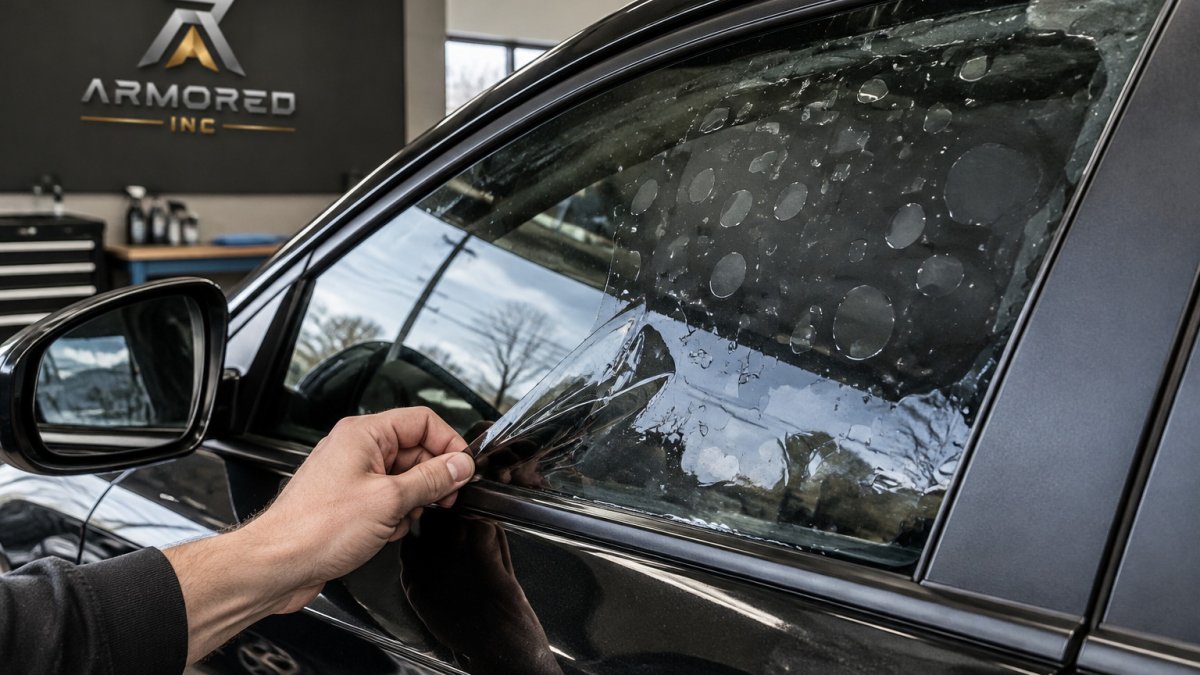
If your new car sees highway commuting, gravel roads, or winter driving, PPF on the front bumper, hood, mirrors, and rocker panels is often the stronger first investment for impact protection. Our team explains why paint protection film beats ceramic coating for impact in more detail.
How Long Does Ceramic Coating Last on a Car?
Coating lifespan depends on the product, the preparation, and how the car is washed and stored. The exact lifespan depends on the product, the preparation, and how the car is washed and stored.
Warranty expectations matter here. Coating warranties often depend on a maintenance routine, so ask what any warranty requires before you book and read its terms.
How to Wash a Ceramic-Coated Car Without Dulling the Finish
Washing correctly is what keeps a coating performing. Follow this routine:
- Rinse the car top-down with a hose or pressure washer to lift loose dirt.
- Wash with a pH-neutral car shampoo and a soft sponge or microfiber mitt, one panel at a time.
- Use a separate bucket or mitt for the lower panels and wheels to avoid dragging road salt upward.
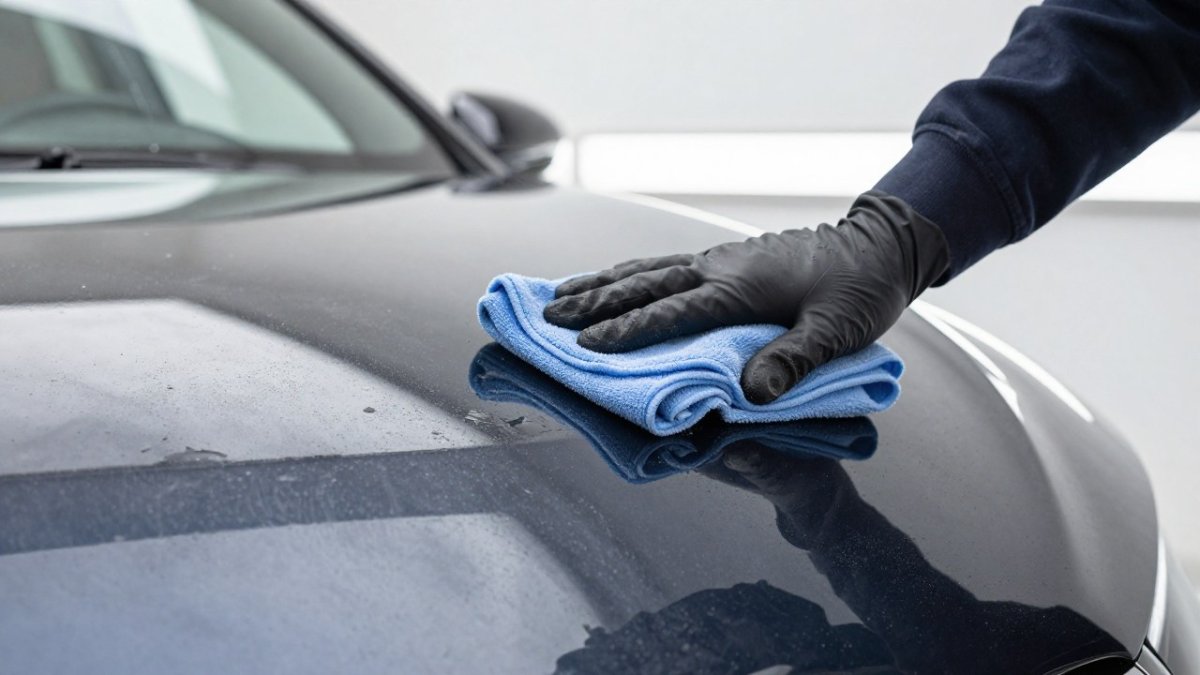
- Rinse thoroughly, then dry with a clean microfiber cloth or a filtered blower.
- Avoid abrasive cleaners, scrubbing brushes, and automatic brush washes entirely.
Watch out: the two-bucket method exists for a reason. Rinsing your mitt in the same bucket you wash from grinds grit back into the paint and creates the swirl marks the coating was meant to prevent.
How to Maintain Ceramic Coating Through Canadian Seasons
Maintenance changes with the seasons in this climate, and Barrie and Central Ontario put a coating through more than most regions: road salt and brine, freeze-thaw cycles, gravel, summer UV, and winter slush all attack the layer in different ways.
Winter washing and salt removal
Road salt left sitting is the fastest way to undermine any protection. Rinse the underside and lower panels whenever the temperature allows. A touchless wash in the cold months is far better than nothing, and far better than a brush wash. When washing below freezing, work quickly, use a warm-water touchless bay where available, and dry the door jambs and seals so they do not freeze shut.
Spring decontamination after salt season
Once the salt is gone, do a full decontamination: a coating-safe iron remover, a gentle clay or decontamination mitt, and a pH-neutral wash. This lifts bonded road film that ordinary washing leaves behind. Because wheel arches and exposed metal face the same salt that threatens lower panels, Project Wheel Works can help keep winter corrosion prevention part of the same paint-protection routine.
Summer UV and heat
Park in shade where you can and remove bird droppings promptly with a detailing spray and a microfiber cloth. Summer heat makes fresh droppings more acidic and faster to etch. Wash more often in summer if the car sits under trees or near the lake, because pollen and sap bond quickly to a warm surface.
Fall prep before the first freeze
Before the first sustained freeze, apply a coating-safe topper or maintenance spray, clean the wheel wells, and check that film edges are sealed. This is also the time to book any correction or film touch-up, because installers are busiest once the snow arrives.
Periodic decontamination, using a coating-safe product, removes bonded contaminants that washing alone won't lift. For a full seasonal routine, read our guide on how to maintain a ceramic coated car.
Choosing a Protection Plan: Prep, Budget, and Ownership Period
The right plan starts with three questions: how you drive, what you can spend, and how long you'll keep the car. Answer them in that order and the choice usually makes itself.
A simple decision path
- Lease or keep under three years? Skip multi-year coatings and film on the whole car. A quality sealant or a spray coating refreshed seasonally protects the paint adequately and costs far less up front.
- Daily highway commuter or winter driver in Barrie and Central Ontario? Put paint protection film on the front bumper, hood, mirrors, A-pillars, and rocker panels first. That is where gravel, salt brine, and road debris land. Then add a ceramic coating on the film and the rest of the paint for easy washing.
- Mostly city driving, parked outside, keeping the car five years or more? A professional ceramic coating with proper paint correction is the best value: it resists UV, makes washing faster, and reduces the need for repeated waxing.
- Weekend car or enthusiast who enjoys hands-on care? Paste wax or a sealant is satisfying and inexpensive, provided you accept reapplication every few months.
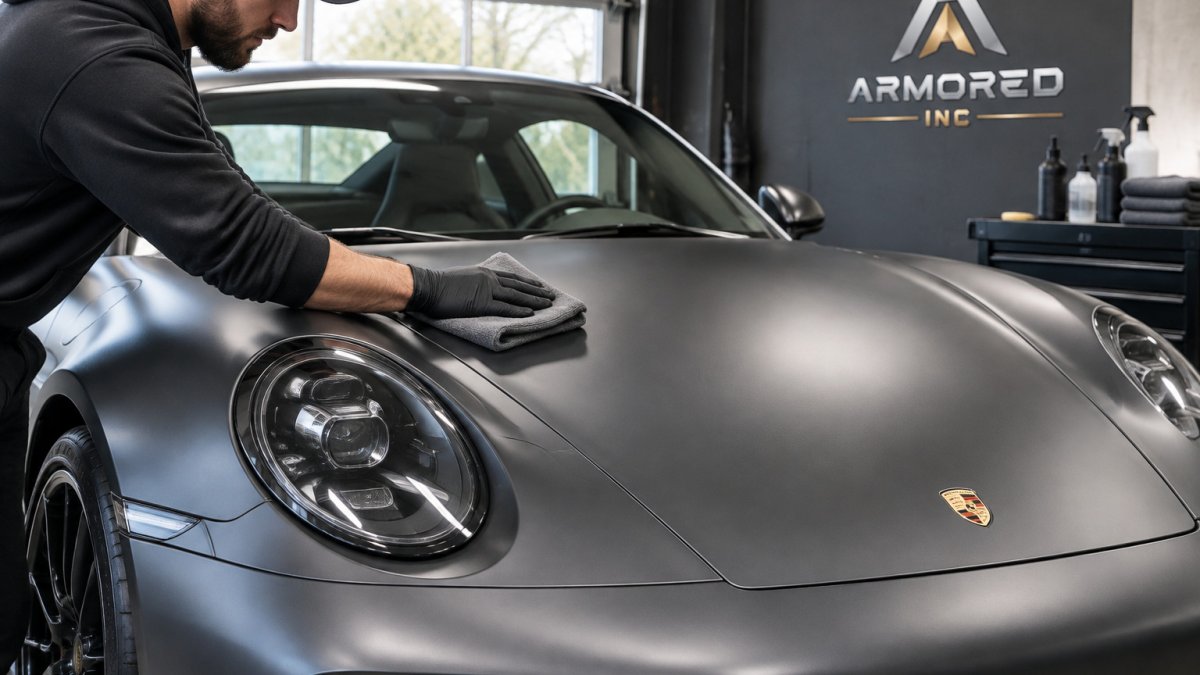
- Matte or satin finish? Film is usually the safer route because it protects without changing the sheen; many waxes and coatings can alter a matte surface.
New-car preparation before any protection
Prep comes first regardless of method, because car paint protection like a coating or film traps whatever is on the paint. New-car preparation means washing, decontaminating (iron removers and clay), and correcting any flaws before protection goes on. Inspect the paint under bright light for transport film residue, rail dust, and dealer wash swirls. Ask the installer what correction is included, because a coating applied over swirls locks them in.
Evaluating dealer-installed protection
Before paying, ask for the product name, the expected durability, what prep is included, and whether the warranty is honored at the dealership or the product manufacturer.
Realistic costs in Canadian dollars
Pricing depends on vehicle size, condition, and the level of prep required. For current pricing, contact Armored Inc.
Pricing depends on vehicle size, condition, quantity of products, and the level of prep required. For current prices or a quote, contact Armored Inc.
To see what each option includes, review our paint protection guide covering types, benefits, and application. If you're weighing a coating, our ceramic coating service covers the full process.
Protecting new paint is a decision about the next several winters, not the next wash.
Frequently Asked Questions
Should I put ceramic coating or paint protection film on a new car?
They solve different problems, so the answer depends on what you want to stop. Paint protection film absorbs rock chips and road debris on high-impact areas like the hood, bumper, and mirrors. Ceramic coating adds a hydrophobic, glossy layer that makes washing easier and resists UV and contaminants, but it will not stop a stone chip. Many owners combine both: film on impact zones, coating over the rest of the car. Ask a detailer which combination fits your driving and parking situation.
How soon should I protect the paint on a new car?
Sooner is better, ideally within the first few weeks of ownership and before the first winter. New paint from the factory is fully cured, so there is no need to wait months. Protecting early means road salt, bird droppings, and stone chips never get a chance to bond to or damage the clear coat. A proper surface preparation and paint decontamination step comes first, then the coating or film goes on.
How long does ceramic coating last on a car?
It depends on the product tier and how the car is maintained. Lifespan depends on the product tier and how the car is maintained. Durability drops with harsh washing, abrasive cleaners, and long stretches of road salt without rinsing. Regular hand washing with car shampoo and a microfiber cloth, plus garage parking where possible, keeps the coating performing closer to its rated lifespan.
Can I wax a car that has ceramic coating?
You can, but there is little point. Wax sits on top of the coating and can mask its hydrophobic water beading, and it wears off faster than the coating itself. If you want extra gloss between services, use a coating-safe detailing spray rather than a paste wax or liquid wax with abrasives. Avoid abrasive cleaners and scrubbing brushes on a coated surface, since they dull the finish and shorten the protection lifespan.