 how-to
Do Regular Car Detailing Boost Resale Value?
Last Updated: November 3, 2026
Quick Summary
Regular car detailing supports resale value indirectly by preserving the condition buyers and appraisers pay for, not by adding a guaranteed percentage. Consistent care prevents paint deterioration, rust, and interior wear, which avoids small deductions at appraisal. Treat detailing as maintenance, not magic.
- A practical Barrie schedule is a full detail twice a year, with a wash every two to four weeks.
- Spring is the most important window because salt residue left on paint and underbody turns into rust.
- A pre-sale detail should focus on paint, glass, interior surfaces, and smell, which buyers inspect first.
- Masking odors with air fresheners backfires, so remove the source instead.
- Ceramic coating preserves the paint finish but does not stop rock chips.
Table of Contents
- Why Car Detailing Matters for Resale Value
- The Real Evidence Behind Detailing and Resale Value
- Does Detailing Increase Trade-In Value?
- How Often to Detail a Car in Barrie's Climate
- Car Detailing Before Selling: A Pre-Sale Checklist
- Ceramic Coating and Resale Value: What It Actually Does
- Cost Versus Return: Is Professional Detailing Worth It?
- Book Your Pre-Sale Detail at Armored Inc.
- Frequently Asked Questions
Why Car Detailing Matters for Resale Value
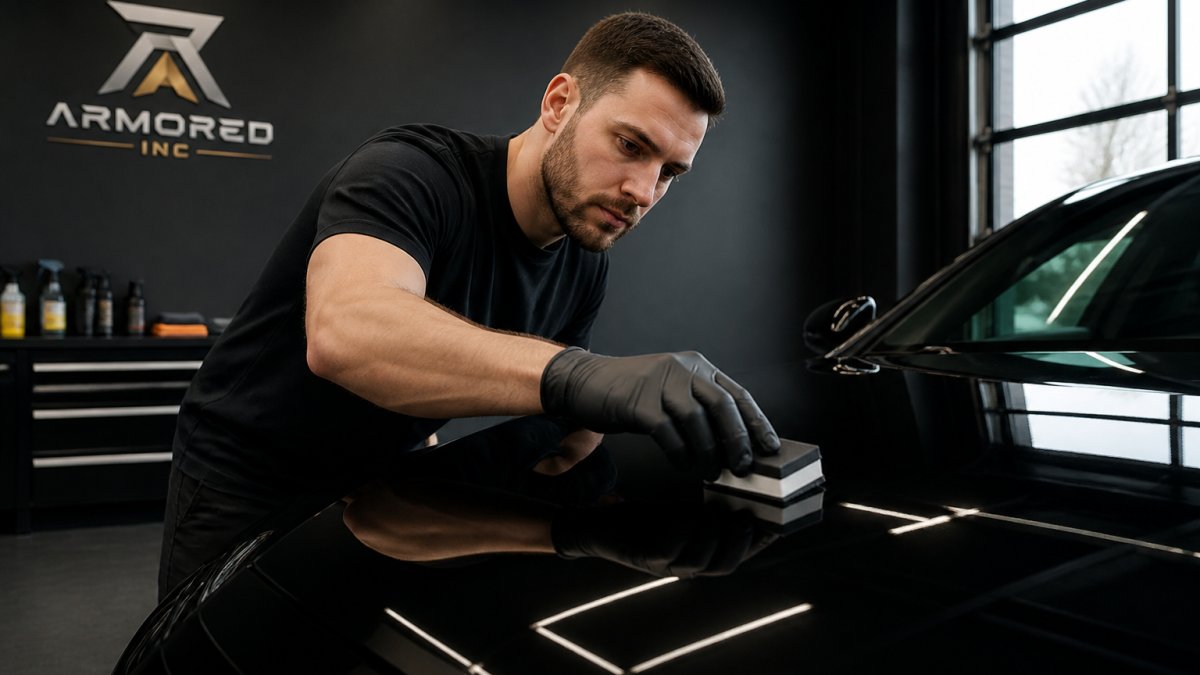
Car detailing is the deep cleaning and protection of a vehicle's interior and exterior surfaces, and it matters for resale value because it preserves the condition a buyer actually pays for. A well-kept car tends to get more attention, more serious offers, and fewer price cuts at appraisal.
The logic is simple. Buyers judge a vehicle in seconds. Clean paint, fresh upholstery, and clear windows signal care. Dirt, stains, and faded trim signal risk.
Detailing does not add value out of thin air. It protects the value already there. That distinction matters, and it shapes everything below.
Some guides promise big percentage jumps. The reality is more modest, and more useful.
The Real Evidence Behind Detailing and Resale Value
The honest answer is that detailing supports resale value indirectly, through vehicle condition, and condition is one of the factors appraisers and buyers weigh. We cannot point to a guaranteed percentage, and anyone who does should be questioned. Before committing, read our honest look at ceramic coating downsides.
What we can say is practical. A vehicle with clean interior surfaces, intact trim, and protected paint finish presents better at a resale appraisal. It also avoids the small deductions that add up: stains, odors, chipped paint, and dull headlights.
The Canadian Black Book vehicle valuation guidance shows how condition feeds into trade-in offers. Appearance is part of that picture, alongside mileage, history, and demand.
So treat detailing as maintenance, not magic. It keeps your vehicle in the category of "well cared for," which is where the better offers live.
Does Detailing Increase Trade-In Value?
Detailing can increase a trade-in offer, but usually by protecting condition rather than transforming it. A dealer or appraiser values a clean, well-maintained vehicle higher than a neglected one of the same age and mileage.
Here is where sellers get it wrong. They detail the car the week they sell it and expect a miracle. One deep clean cannot undo years of dirt accumulation, surface damage, or worn upholstery.
The real gain comes from regular detailing over the life of the vehicle. Consistent care prevents paint deterioration, rust, and interior wear from taking hold in the first place.
- Clean, odor-free interior reads as cared for
- Protected paint finish resists fading and chipping
- Clear windows and mirrors improve perceived quality
- Intact trim avoids small repair deductions
- Service records plus a clean car build trust
For a dealer managing inventory, the same rule applies at scale. Presentation moves metal.
How Often to Detail a Car in Barrie's Climate
A practical schedule for Barrie is a full detail twice a year, with a wash every two to four weeks and a quick interior clean monthly. Winter conditions in Ontario bring road salt, sand, slush, and repeated freeze-thaw cycles that are hard on paint, trim, carpets, and underbody panels.
Road salt is the main threat. Salt residue stays active on painted surfaces and in wheel wells long after the snow clears, and when it sits against metal or stone chips it accelerates corrosion. Sand and grit act like abrasive paper when rubbed into carpets and floor mats.
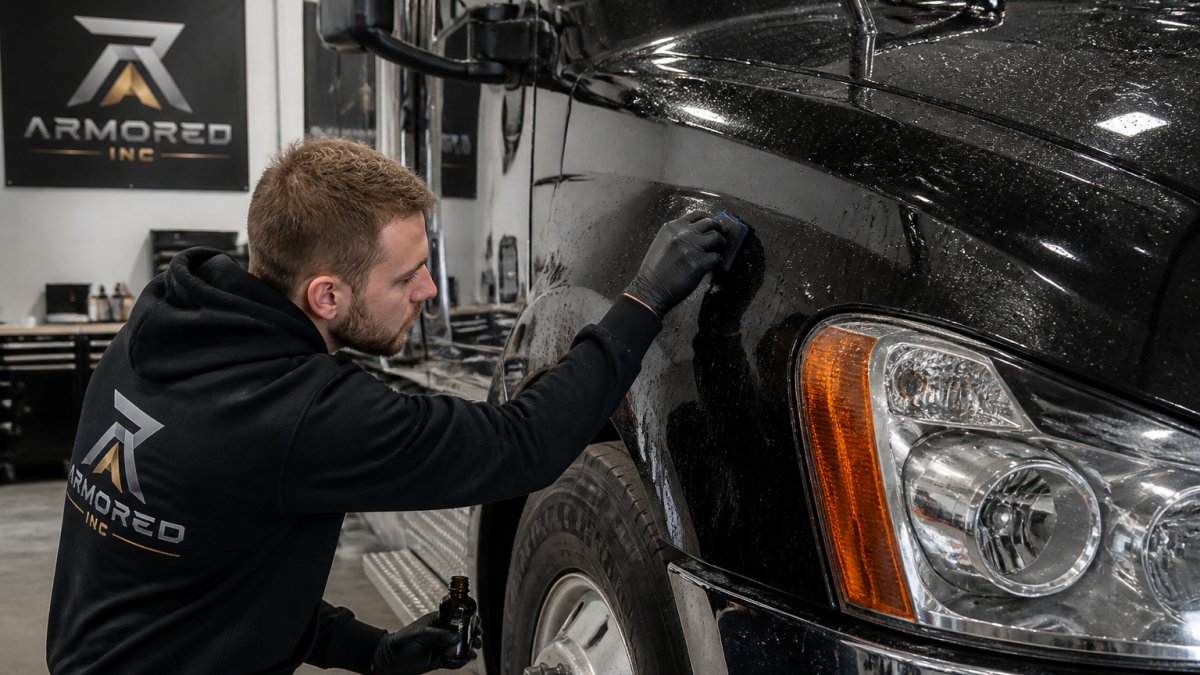
Spring is the most important window. Salt residue sits on paint and underbody panels long after the snow clears, so a thorough spring detail should remove it before it turns into rust.
Fall is the second key window. Protecting paint before winter gives surfaces a fighting chance against salt spray and grit. A fall detail should include a durable sealant or coating, treatment of existing chips, and a clean, dry interior so carpets do not hold winter moisture.
Winter care is about frequency, not intensity. Rinse the underbody and wheel wells whenever the temperature allows, and wash more often than in summer because salt spray reaches surfaces that never see direct road contact. Avoid washing in a freeze, and dry door seals and locks so they do not stick.
Summer is the easiest season but not a free pass. Bug splatter and tree sap are acidic and etch paint if left on, so remove them promptly, and keep up regular washes to prevent UV fading on horizontal surfaces like the hood and roof.
- Spring: deep clean, decontaminate, protect paint and underbody
- Summer: regular washes, prompt bug and tar removal, UV protection
- Fall: sealant or coating before salt season, treat chips, dry interior
- Winter: frequent rinses, keep salt off surfaces, dry seals and locks
- Monthly: vacuum, wipe interior surfaces, clean glass
For a closer look at what a full detail involves, see our auto detailing service guide.
Car Detailing Before Selling: A Pre-Sale Checklist
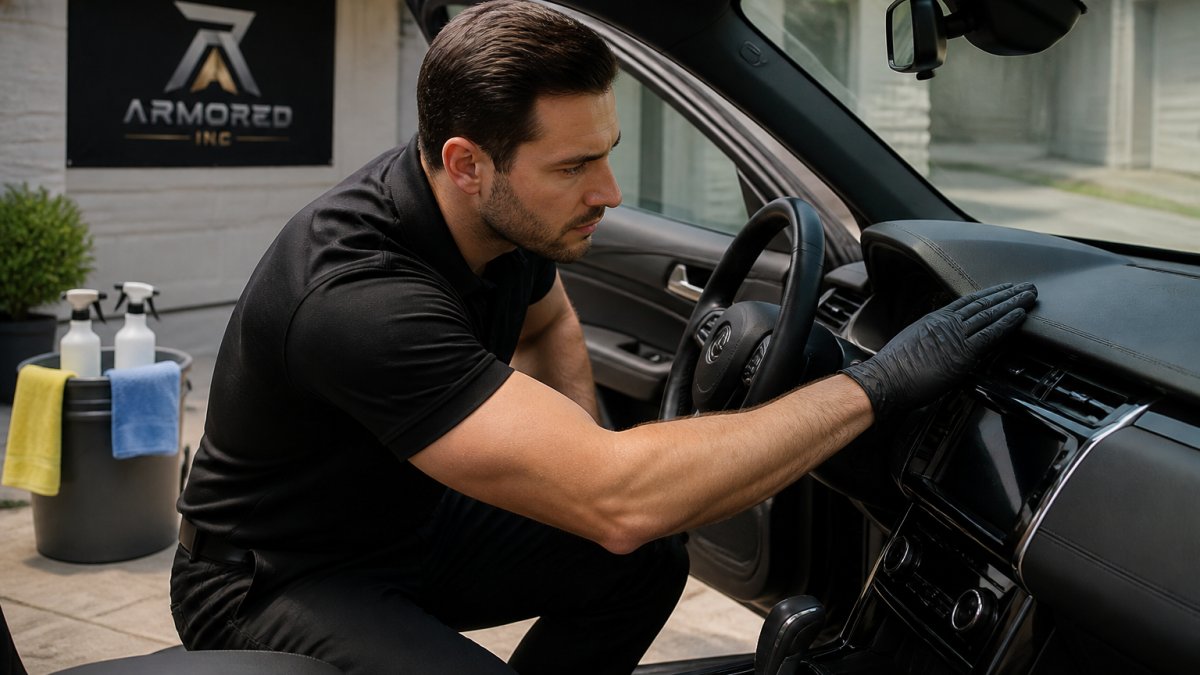
A pre-sale detail should focus on what buyers inspect first: paint, glass, interior surfaces, and smell. Work through this list before you list the car or take it to an appraisal.
- Wash and decontaminate exterior paint
- Remove tar, bugs, and road salt residue
- Clean and dress tires and trim
- Polish headlights for clarity
- Vacuum carpets, seats, and trunk
- Shampoo upholstery and treat stains
- Wipe all interior surfaces and vents
- Clean windows and mirrors inside and out
- Remove odors at the source, not with cover-up sprays
- Organize the trunk and remove personal items
- Check that all lights and bulbs work
Watch out: masking odors with air fresheners backfires. Buyers notice. Find and remove the source instead.
Detailing is only half of pre-sale preparation. The other half is documentation and honesty, and that is where most sellers leave money on the table. An appraiser values condition, mileage, history, and demand, and detailing only affects the condition part. It does not change mechanical condition, and presenting it as if it does can backfire when a buyer or appraiser finds undisclosed problems.
Gather your maintenance records before the appraisal: oil changes, tire rotations, brake service, and any warranty or recall work. A clean car with a documented history reads as lower risk than a clean car with no paperwork. If you have service records from a Barrie shop or dealer, bring them printed or in an app.
Disclose existing damage honestly. Small chips, a cracked windshield, worn tires, or a warning light are things an appraiser will find anyway. Pointing them out builds trust and avoids the larger deduction that comes when a buyer feels misled.
Match the detail to the sale. A basic clean and vacuum is often enough for a private sale to a buyer who values honesty over shine. A full pre-sale detail makes more sense when the paint and interior are genuinely in good shape and the presentation is the only thing holding the car back.
Finally, present the car in good light and clean condition for photos and the appraisal. Wash the exterior, clean the glass, and clear personal items from the trunk and cabin. A tidy, documented, honestly presented vehicle gives an appraiser the best basis for a fair offer.
Ceramic Coating and Resale Value: What It Actually Does
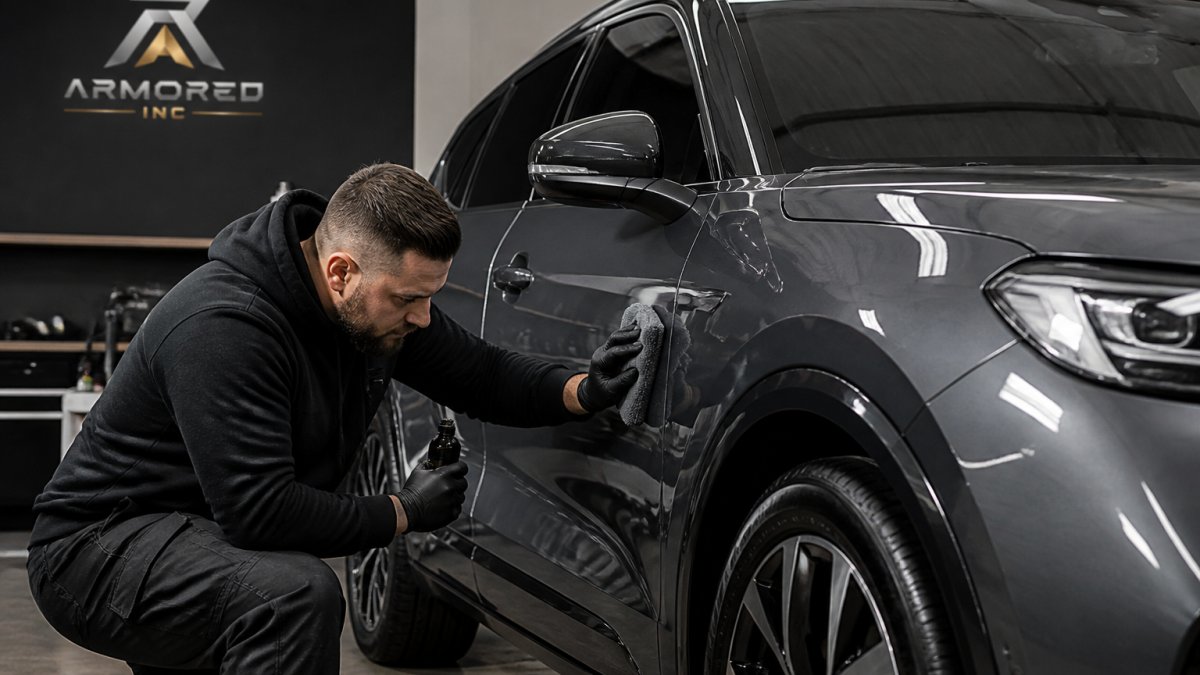
Ceramic coating is a liquid polymer applied to paint that cures into a protective layer. Its resale benefit comes from preserving the paint finish rather than adding a fixed dollar amount.
Does that show up at resale? It can, when the paint underneath is genuinely in better shape than a comparable car. A buyer who sees glossy, protected paint with no swirl marks reads "well maintained."
The caveat is honest. Coating is not a force field. It does not stop rock chips, and it needs proper washing to keep working. If you want chip protection too, paint protection film is the layer that handles impact. For a deeper look at ceramic coating versus professional detailing, see our comparison.
Cost Versus Return: Is Professional Detailing Worth It?
Professional detailing is worth it when the vehicle's condition is the thing holding its value back, and less worth it when the car is already clean and well kept. That is the honest split.
The return is not a fixed number. It shows up as fewer deductions at appraisal, faster sales, and stronger buyer first impressions. For a luxury car, sports car, or EV, protecting a large investment with proper surface care makes clear sense.
DIY detailing can cover basic washing and interior cleaning. What it struggles with is paint correction, deep stain removal, and durable protection. Those are the jobs that separate a clean car from a protected one.
Pricing depends on vehicle size, condition, and the service chosen. For a closer look at what auto detailing costs in Barrie, see our pricing breakdown. For current pricing, contact us for a quote.
| Situation | DIY | Professional |
|---|---|---|
| Light dust and weekly upkeep | Good fit | Unnecessary |
| Salt, tar, and winter grime | Partial | Best fit |
| Stains and odors | Limited | Best fit |
| Paint correction and protection | Not practical | Best fit |
| Pre-sale preparation | Partial | Best fit |
Book Your Pre-Sale Detail at Armored Inc.
Selling a car is a challenge because buyers judge condition fast, and first impressions are hard to undo. A proper pre-sale detail from Armored Inc. puts your vehicle's best surface forward, with ceramic coatings, paint protection film, and window tinting.
We offer mobile services and valet or rental car options so your day is not derailed. For more on the process, see our ceramic coating service.
Get started with Armored Inc. and give your vehicle the condition that supports its value.
Frequently Asked Questions
Can regular car detailing increase a car's resale value?
Regular car detailing supports resale value by keeping paint, interior surfaces, and trim in better condition, which helps a vehicle appraise higher and sell faster. It does not guarantee a specific dollar increase, because offers depend on mileage, mechanical condition, and market demand. What detailing does reliably is prevent the small damage that erodes value over time, like paint chipping, stains, and faded trim. A well-maintained car presents fewer negotiation points for a buyer or appraiser.
How often should I detail my car to help maintain its resale value?
A common schedule is a full detail twice a year, in spring and fall, with regular washes every two to four weeks in between. In Barrie, the spring detail removes winter road salt and grime, and the fall detail prepares paint and interior surfaces for another winter. Cars parked outside or driven on gravel and highway routes need more frequent attention. If you are planning to sell within six months, book a professional detail closer to the listing date.
Is professional detailing worth it before trading in a car?
Professional detailing before a trade-in is usually worth it when the vehicle has visible dirt, stains, or dull paint that a dealer will notice during appraisal. A clean interior and protected exterior can support a stronger trade-in offer and shorten the negotiation. The return depends on the vehicle's condition and the dealer's appraisal process, so treat detailing as preparation rather than a guaranteed value increase. Ask for a quote based on your vehicle size and condition before committing.
Can ceramic coating help protect a car's appearance and resale appeal?
Ceramic coating adds a protective layer that supports a glossy, easier-to-clean paint finish. That appearance benefit can support resale appeal, especially on luxury and sports cars where buyers inspect the finish closely. Ceramic coating resale value is indirect: the coating itself is rarely itemized in an offer, but the preserved paint condition is. Pair it with paint protection film if you want added defense against stone chips.
Ready to protect your investment before you sell? Contact Armored Inc. for a pre-sale detailing quote in Barrie and the surrounding area.