 comparison
Ceramic Coating vs Professional Detailing: Which Protects Better
Table of Contents
- Ceramic Coating vs Professional Detailing: Key Differences
- How Long Does Ceramic Coating Last
- Ceramic Coating Cost in Barrie and What Affects Pricing
- Paint Correction and Surface Preparation: The Foundation
- Maintenance for Ceramic Coated Cars vs Regular Detailing
- Pros and Cons: Ceramic Coating and Professional Detailing
- Which Option Is Right for Your Vehicle
- Frequently Asked Questions
Ceramic Coating vs Professional Detailing: Key Differences
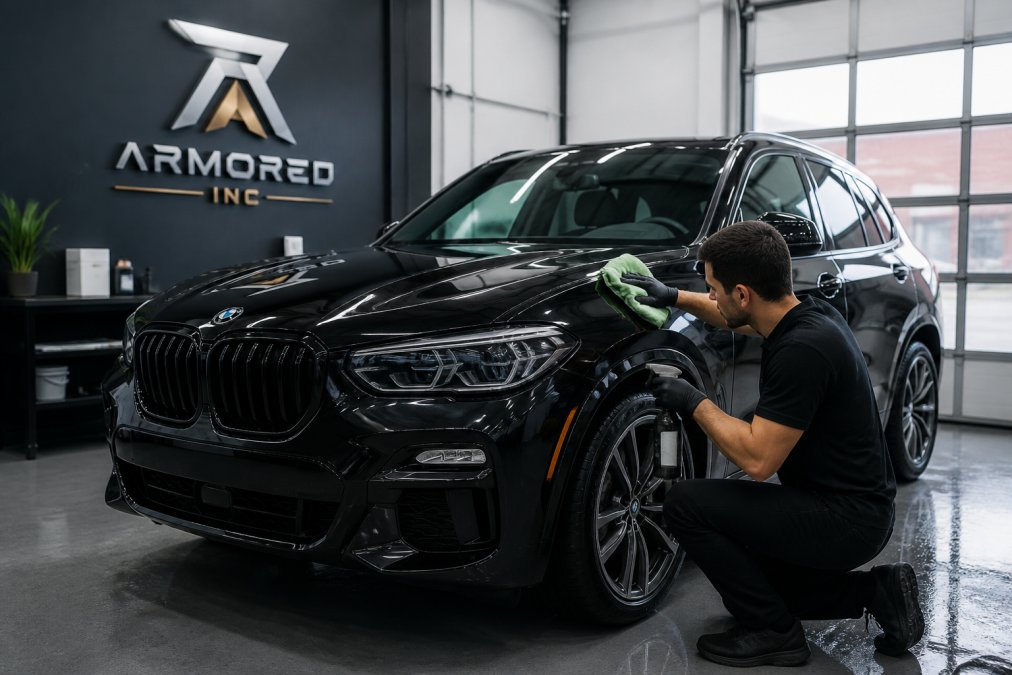
When protecting a vehicle you care about, the choice between ceramic coating and professional detailing isn't just about price, it's about what each solution does and how long that protection lasts. At Armored Inc. in Barrie, we work with luxury car owners, sports car enthusiasts, and vehicle collectors who need to understand exactly what they're paying for.
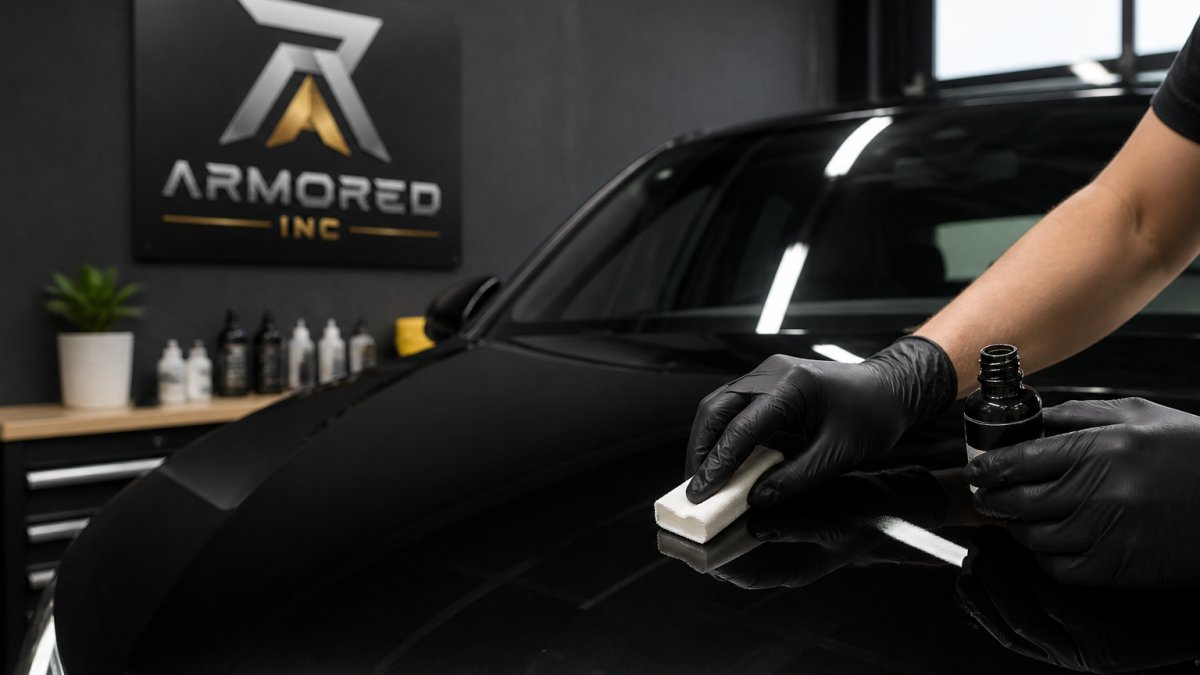
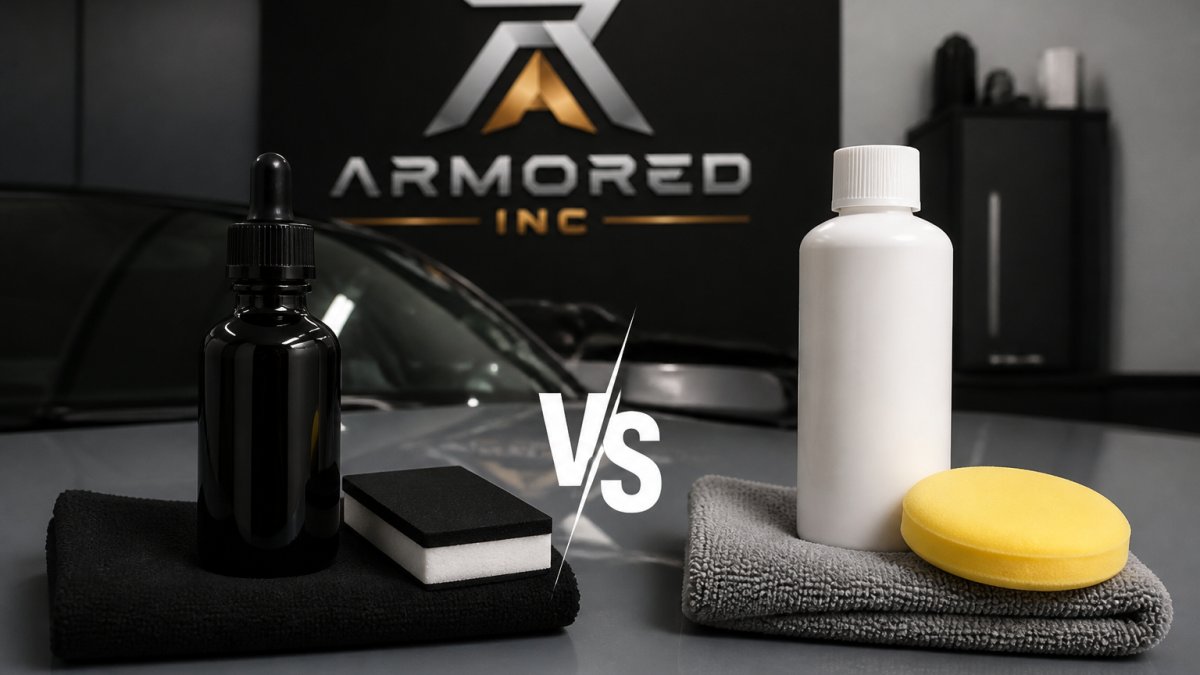
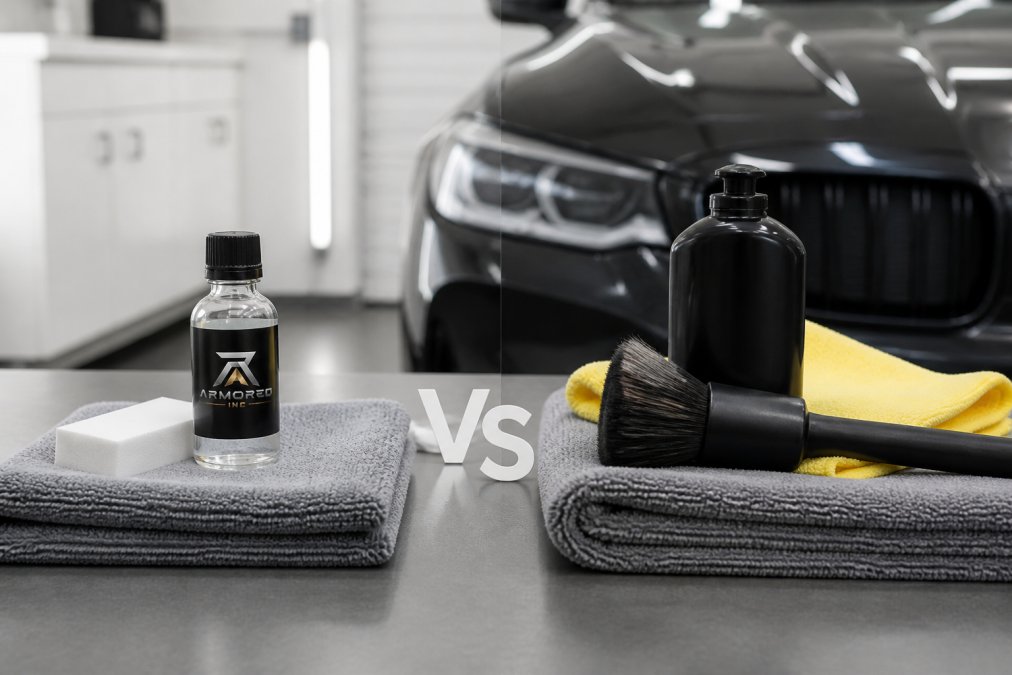
Ceramic coating and professional detailing serve fundamentally different purposes. Professional detailing cleans, polishes, and restores your vehicle's appearance, removing contaminants, swirl marks, and oxidation to reveal the paint's original shine. Ceramic coating is a protective layer that bonds to your clear coat and creates a hydrophobic barrier against UV damage, road salt, bird droppings, and environmental fallout. Think of detailing as restoration; ceramic coating is prevention.
The key difference lies in longevity and maintenance. A professional detail looks spectacular immediately but requires regular maintenance to preserve that finish. Ceramic coating costs more upfront but reduces the frequency of washing and polishing needed over time. For Barrie vehicle owners dealing with harsh winters, road salt, and environmental contaminants, this distinction matters significantly.
How Long Does Ceramic Coating Last
Ceramic coating durability varies based on product grade and application method. Consumer-grade ceramic coatings typically last 6 months to 2 years with regular maintenance (peer-reviewed research). Professional-grade ceramic coatings applied by certified technicians generally last between 3 and 9 years depending on the specific product and warranty package (peer-reviewed research).
Longevity depends on UV exposure, climate conditions, washing frequency, and surface preparation quality. A vehicle parked in direct sunlight year-round will see faster degradation than one garaged regularly. In Ontario's climate, where winter road salt and summer UV exposure both accelerate wear, professional-grade coatings with extended warranties become more valuable.
Armored Inc. offers Gtechniq ceramic coating packages with 5-year and 9-year durability options. The 9-year coating typically includes multiple layers and more rigorous surface preparation, including Level 1 paint correction to remove swirl marks before the coating bonds.
Maintenance directly impacts coating performance. Regular washing with pH-neutral soap, avoiding harsh chemicals, and periodic inspection of hydrophobic properties all extend its effective lifespan. Many owners see their ceramic coating's water-beading properties diminish gradually over 5-7 years, signaling that protection is declining.
:::pro The real durability question isn't "how long will it last?" but "how long until I need to refresh it?" Professional coatings gradually lose hydrophobic performance. Plan for a refresh or maintenance coat every 5-7 years in Ontario's climate. :::
Ceramic Coating Cost in Barrie and What Affects Pricing
Ceramic coating pricing depends on vehicle size, paint condition, coating tier, and whether paint correction is needed beforehand. A sedan typically costs less than an SUV or truck simply because there's less surface area to coat. A vehicle with significant swirl marks, oxidation, or paint damage requires more extensive preparation, increasing the overall investment.
The pricing structure reflects the durability tier you choose. A 3-year ceramic coating package costs less than a 5-year option, which costs less than a 9-year professional-grade installation. Pricing depends on quantity, dates, and delivery. For current prices or a quote, contact Armored Inc. directly.
Paint correction adds significant cost but is essential for optimal results. If your vehicle's clear coat has swirl marks or minor scratches, skipping paint correction means sealing those defects under the ceramic coating. Once sealed, they're locked in place and difficult to remove without stripping the coating. Professional installers like Armored Inc. include Level 1 paint correction as part of comprehensive ceramic coating packages to ensure the coating bonds to a clean, properly prepared surface.
Surface preparation also influences pricing. Clay bar decontamination removes embedded fallout, tar, and industrial contaminants that washing alone cannot eliminate. This step is critical in Ontario, where road salt and airborne industrial particles accumulate on vehicle surfaces.
For commercial applications, dealerships with multiple vehicles or fleet operators benefit from volume pricing. Armored Inc. works with dealership managers in the Barrie, Newmarket, and Muskoka areas who need efficient ceramic coating for inventory protection.
Paint Correction and Surface Preparation: The Foundation
Paint correction is the step that separates adequate ceramic coating from exceptional results. Before any protective layer bonds to your clear coat, the surface must be clean, decontaminated, and free of defects. Professional detailing and ceramic coating preparation both require proper surface prep, but ceramic coating demands more rigorous standards because the coating will lock in whatever condition the paint is in.
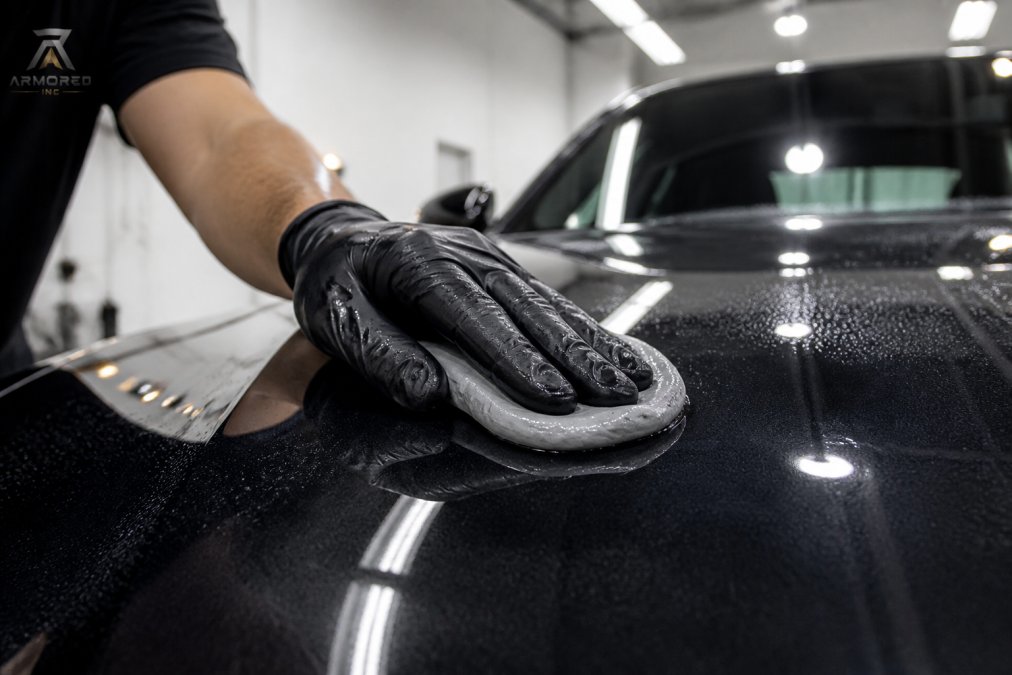
The process begins with a thorough wash to remove loose dirt and debris. Next comes clay bar treatment, which physically removes bonded contaminants, road tar, industrial fallout, and tree sap residue that regular washing cannot dissolve. This step is essential in Ontario, where winter road salt and summer airborne particles settle on vehicles.
After decontamination comes paint correction, which involves machine polishing with progressively finer abrasive compounds to remove swirl marks, water spots, and light oxidation. Paint thickness gauges help technicians monitor how much clear coat they're removing, ensuring they don't cut through to the base coat. This is skilled work; improper machine polishing can cause more damage than it fixes.
Buffing and polishing follow paint correction, refining the surface finish and preparing it for coating application. A properly polished surface has better adhesion for ceramic coatings, meaning the coating bonds more effectively and lasts longer. Professional installers spend 6-12 hours on surface preparation alone for a single vehicle.
Maintenance for Ceramic Coated Cars vs Regular Detailing
The maintenance routine for a ceramic-coated vehicle differs significantly from regular detailing maintenance. A ceramic-coated car requires less frequent washing because the hydrophobic coating repels water and dirt. Most contaminants bead up and roll off rather than adhering to the paint.
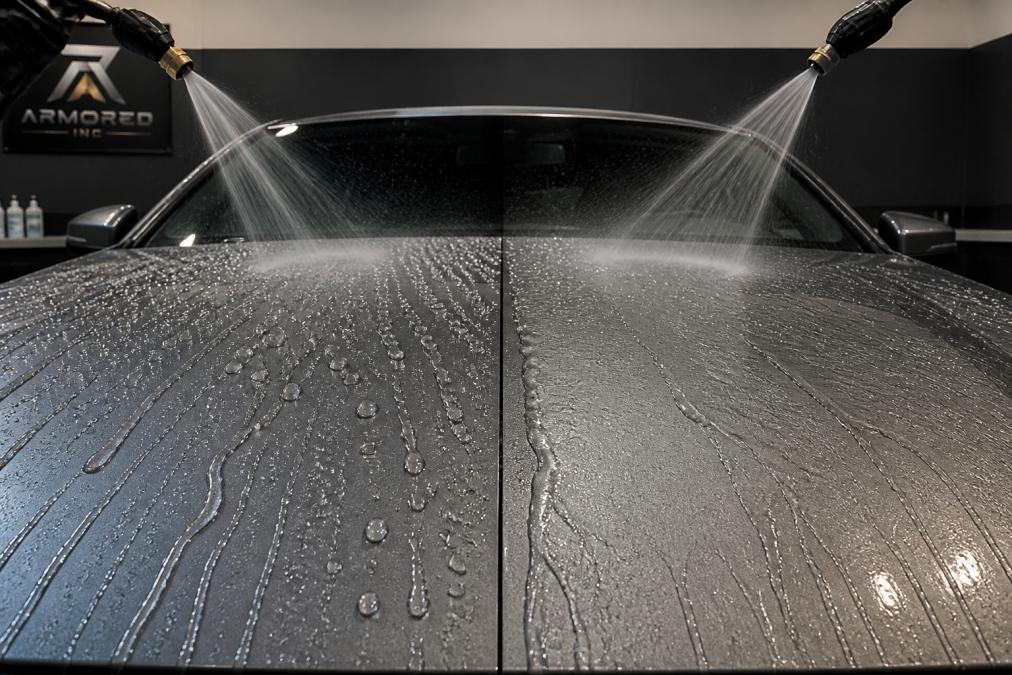
For ceramic-coated vehicles, a maintenance wash every 2-3 weeks using pH-neutral soap is sufficient in most conditions. In winter, when road salt accumulates, slightly more frequent washing every 10-14 days helps prevent salt damage. The hydrophobic coating makes rinsing easier; water sheets off rather than beading, carrying away contaminants.
Regular detailing without ceramic coating requires more frequent attention. A vehicle with wax or sealant protection typically needs washing every 1-2 weeks and re-waxing every 3-6 months to maintain protection and gloss. Wax degrades faster than ceramic coating, especially in Ontario's variable climate.
Maintenance coatings are an option for ceramic-coated vehicles after 2-3 years. These lighter applications refresh the hydrophobic properties without requiring full paint correction. Consumer-grade products can extend protection between professional reapplications.
Avoid automatic car washes on ceramic-coated vehicles. The aggressive brushes and harsh chemicals can damage the coating. Hand washing or touchless car washes are safer options. Similarly, avoid wax products on ceramic-coated paint, as wax doesn't bond well over ceramic and creates a hazy finish.
Pros and Cons: Ceramic Coating and Professional Detailing
Ceramic Coating Advantages:
Ceramic coating provides long-term protection that professional detailing alone cannot match. It creates a durable barrier against UV damage, chemical contaminants, bird droppings, and road salt. For luxury and sports car owners in Barrie who want to preserve their vehicle's value, this protection is significant. The hydrophobic properties mean water and dirt slide off rather than adhering, reducing washing frequency. Over a 5-7 year period, this translates to less time and money spent on maintenance.
Ceramic coating enhances gloss and paint depth in ways that detailing alone cannot achieve, creating a glass-like finish that makes colors appear richer and more vibrant.
Ceramic Coating Disadvantages:
The upfront cost is substantial, and the application process is time-intensive. A vehicle may need to be off the road for 2-5 days while the coating cures. Ceramic coating requires proper application by certified technicians; DIY kits don't match professional-grade results. Once applied, ceramic coating is permanent until it's stripped or wears away naturally.
Professional Detailing Advantages:
Professional detailing provides immediate, visible results. Your vehicle looks noticeably better after a quality detail, with swirl marks removed, oxidation eliminated, and paint gleaming. Detailing is less of a commitment than ceramic coating and is more accessible in terms of cost and convenience. A quality detail can be completed in a day, and the vehicle is ready to drive immediately after.
Professional Detailing Disadvantages:
The protection is temporary. A professional detail typically looks excellent for 4-8 weeks before effects begin to fade (peer-reviewed research). To maintain that showroom finish, regular detailing every 2-3 months is necessary. Detailing doesn't protect against ongoing environmental damage the way ceramic coating does.
| Factor | Ceramic Coating | Professional Detailing |
|---|---|---|
| Protection Duration | 3-9 years | 4-8 weeks |
| Upfront Cost | High | Moderate |
| Maintenance Frequency | Every 2-3 weeks | Every 1-2 weeks |
| Application Time | 2-5 days (curing) | 1 day |
| Best For | Long-term protection, low-maintenance shine | Immediate results, flexible commitment |
| UV Protection | Excellent | Temporary |
| Water Beading | Excellent (3-9 years) | Good (4-8 weeks) |
| Paint Defect Removal | Requires prior correction | Yes, as part of service |
Which Option Is Right for Your Vehicle
The choice between ceramic coating and professional detailing depends on your vehicle type, usage patterns, and priorities.
Choose ceramic coating if: You own a luxury vehicle, sports car, or high-value investment that you want to protect long-term. You prefer low-maintenance shine and don't want to wash and wax frequently. You live in a harsh climate where Ontario's road salt, UV exposure, and temperature swings make ceramic coating particularly valuable. You plan to keep your vehicle for 5+ years and want to preserve its resale value.
Choose professional detailing if: You want immediate, visible results without a long-term commitment. You enjoy the process of vehicle maintenance and don't mind regular washing and waxing. Your vehicle shows signs of swirl marks, oxidation, or water spots that need correction before adding protection. You're preparing your vehicle for sale or a special event and want it to look pristine.
The ideal approach combines both: Most vehicle owners benefit from professional detailing first, followed by ceramic coating. Detailing removes existing damage and prepares the surface properly. Ceramic coating then locks in that perfect finish and protects it for years. This combination gives you the best of both worlds: a perfectly restored appearance with long-term protection.
For Barrie vehicle owners, Armored Inc. specializes in exactly this approach. The team handles paint correction and surface preparation, applies professional-grade Gtechniq ceramic coating with extended warranties, and provides guidance on maintenance routines tailored to Ontario's climate. Whether you're protecting a single luxury vehicle or managing fleet inventory for a dealership, the combination of professional detailing and ceramic coating delivers the most comprehensive protection available.
Protecting your vehicle's finish is an investment in its value and appearance. Whether you choose ceramic coating for long-term durability or professional detailing for immediate restoration, the key is addressing surface preparation properly. Armored Inc. in Barrie combines both services with mobile convenience, valet options, and expertise in everything from matte paint protection film to marine vessel coatings. Contact Armored Inc. today to discuss which protection strategy makes sense for your vehicle and get a personalized quote based on your specific needs and timeline.
Frequently Asked Questions
Q: What is the main difference between ceramic coating and professional detailing?
A: Ceramic coating is a long-term paint protection layer that bonds to your vehicle's clear coat, creating hydrophobic properties that repel water and contaminants for years. Professional detailing focuses on cleaning, polishing, and removing swirl marks and oxidation to restore your paint's current appearance. Ceramic coating provides lasting protection; detailing restores and maintains existing paint condition. Many owners use both: detailing first to prepare the surface, then ceramic coating to protect it long-term.
Q: How long does ceramic coating last in Ontario's climate?
A: Professional ceramic coatings typically last 3 to 9 years depending on the product grade and maintenance routine. In Ontario's harsh winters with road salt, UV exposure, and temperature swings, durability depends on how well you maintain the coating. Regular maintenance washing and avoiding abrasive cleaning methods extend longevity. Consumer-grade ceramic products last 6 to 12 months. Professional-grade coatings with warranty packages offer the longest protection against salt, acid rain, and environmental fallout.
Q: Is ceramic coating worth the investment for daily drivers?
A: Yes, especially in Ontario's climate. Daily drivers face constant exposure to road salt, bird droppings, tree sap, and UV rays that degrade paint quickly. Ceramic coating reduces the need for frequent professional detailing and waxing, saving time and money over time. It also preserves resale value by protecting your paint's condition. The upfront cost is higher than traditional waxing, but the durability and reduced maintenance make it cost-effective for vehicles driven year-round in harsh conditions.
Q: Can I apply ceramic coating myself, or should I hire a professional?
A: DIY ceramic products exist and are affordable, but professional application delivers superior results. Professional installers perform paint correction and decontamination before coating, removing swirl marks and oxidation that DIY methods miss. They also apply coatings in controlled conditions and use professional-grade products with extended warranties. If your paint is already in good condition, a consumer product may work; if you want maximum protection and a flawless finish, professional installation is worth the investment.
This article was written using GrandRanker