 comparison
Crystals Autotinting Alternatives: Top Window Tint Options
Table of Contents
- Why Window Tint Alternatives Matter
- Ceramic Window Tint Benefits Explained
- Ontario Window Tint Laws 2024: What You Need to Know
- Top Window Tint Alternatives to Crystals Autotinting
- Professional Window Tinting in Barrie: Cost and Quality Comparison
- Maintenance and Aftercare for Window Tint Longevity
- Warranty Coverage and Durability Expectations
- Frequently Asked Questions
Last Updated: August 31, 2026
Why Window Tint Alternatives Matter
When considering window tinting for your vehicle in Barrie, the choice between standard options and premium alternatives determines whether you'll have temporary protection or lasting results. Ceramic window tint alternatives offer dramatically different levels of heat rejection, UV protection, and longevity compared to older film technologies.
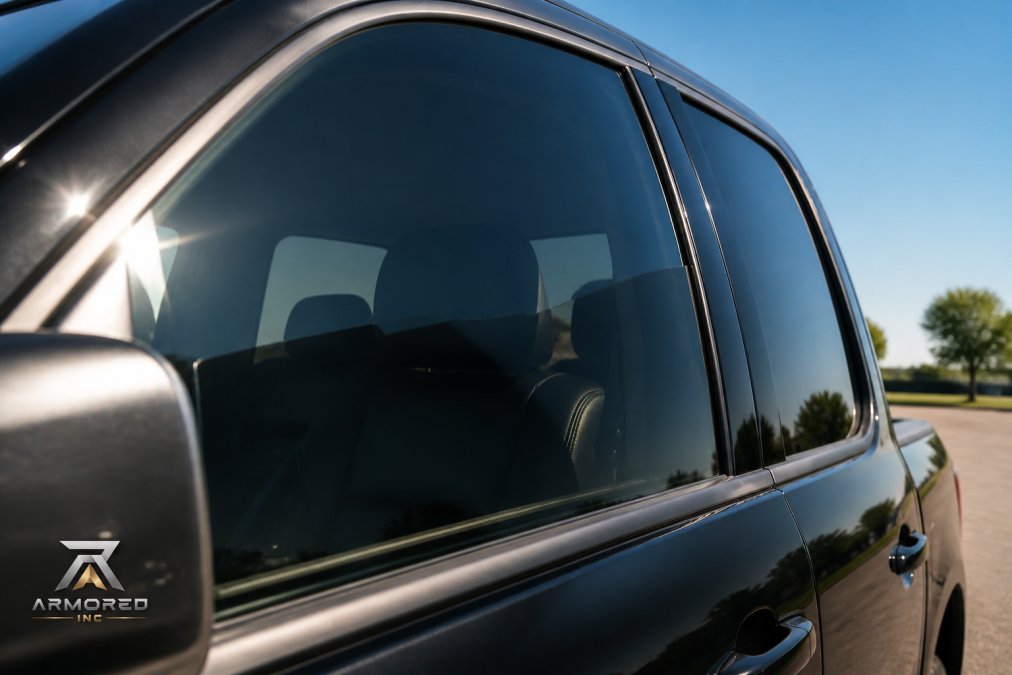
Understanding your actual needs, not just picking the cheapest option, determines satisfaction for years versus frustration within months. Window tint alternatives range from basic dyed films to advanced nano-ceramic formulations, each with distinct trade-offs in performance, cost, and durability.
This guide breaks down the most effective window tint alternatives to Crystals Autotinting, explains Ontario's legal requirements, and shows you what to expect from professional installation in Barrie.
Ceramic Window Tint Benefits Explained
Ceramic window tint represents a significant leap forward from traditional dyed and carbon films. Unlike older technologies that rely on dyes or metallic particles, ceramic films use non-metallic nano-ceramic particles suspended in a clear adhesive layer, delivering superior heat rejection without signal interference problems.
Superior Heat Rejection and UV Protection
Ceramic films block up to 98% of infrared radiation, the energy that actually heats your vehicle's interior (peer-reviewed research). A cabin that stays cooler reduces air conditioning load and protects your interior from accelerated fading caused by sustained heat exposure.
Ceramic window tint blocks 99% of ultraviolet rays, preventing the UV damage that fades upholstery and degrades leather and vinyl over time. In Barrie's climate, where vehicles experience intense summer sun followed by harsh winters, this protection compounds significantly over a vehicle's lifetime.
Optical Clarity and Non-Metallic Construction
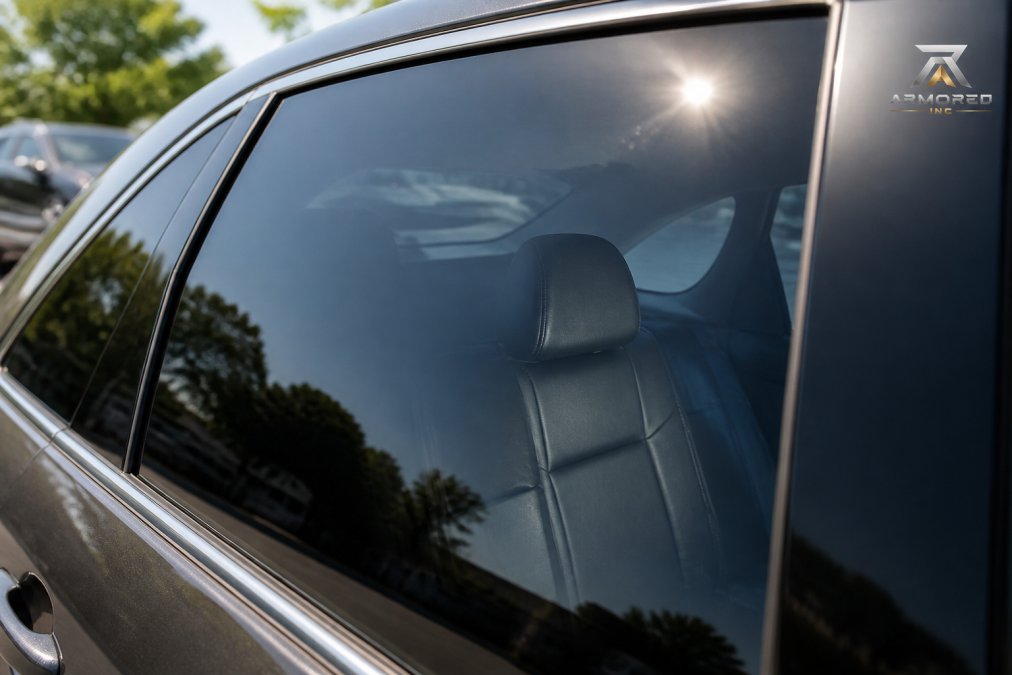
Ceramic films maintain nearly perfect optical clarity, unlike older metallic films that created hazy appearance or distorted visibility. The non-metallic construction means no interference with electronic signals, your phone won't lose cellular reception, GPS won't drop signal, and electronic toll collection systems function normally.
Ontario Window Tint Laws 2024: What You Need to Know
Ontario's window tinting regulations are stricter than many provinces, and violating them carries real consequences. Understanding these rules before choosing your tint is essential.
Legal Tint Darkness Limits by Window
The Ontario Highway Traffic Act specifies visible light transmission (VLT) percentages for each window position. VLT is the percentage of visible light that passes through tinted glass.
For the windshield, you're limited to a non-reflective tint on the top six inches only. The rest must remain untinted or use a light tint maintaining at least 70% VLT. Front side windows must allow at least 70% of visible light to pass through (ontario.ca). Rear side windows and rear windshields have no legal minimum, meaning you can apply 5% VLT if you choose.
If privacy is your primary goal, focus on rear windows. For uniform tinting across all windows, you'll need to accept the 70% requirement on front windows, which limits privacy but still provides heat and UV protection.
Compliance and Enforcement
Ontario police can stop vehicles with non-compliant window tint and issue significant fines. A professional installer in Barrie will know these regulations and apply tint accordingly, which is a key reason professional installation matters beyond aesthetics.
Top Window Tint Alternatives to Crystals Autotinting
Several premium alternatives to Crystals Autotinting deliver superior performance, particularly in heat rejection and durability.
SunTek Ceramic Evolve: Maximum Heat Rejection
SunTek Ceramic Evolve achieves up to 66% infrared rejection while maintaining exceptional optical clarity. The film blocks 99% of UV rays and includes a lifetime warranty.
SunTek stands out for balancing performance and visibility, you get substantial heat rejection without oppressive visual darkness. The film resists yellowing over time, maintaining optical clarity for years. Confirm with your installer that they'll work within Ontario's 70% VLT requirement for front windows.
XPEL PRIME XR PLUS: Premium Nano-Ceramic Performance
XPEL PRIME XR PLUS delivers up to 98% heat rejection, the highest available in the market. The multi-layer nano-ceramic construction blocks 99% of UV rays and reduces glare significantly. XPEL includes a transferable lifetime warranty, adding genuine advantage for resale value.
If you're in Barrie during peak summer and want maximum cabin cooling, XPEL PRIME XR PLUS delivers superior performance.
Paint Protection Film as a Complementary Solution
Paint protection film (PPF) addresses a related problem: protecting your vehicle's exterior from damage. Many vehicle owners pair window tinting with PPF to create comprehensive protection.
PPF is a clear, self-healing film applied to painted surfaces that protects against stone chips, scratches, and environmental contaminants. For luxury vehicles and sports cars in Barrie, combining ceramic window tint with PPF creates complete protection. Armored Inc. specializes in both services and can coordinate installation for seamless protection.
Professional Window Tinting in Barrie: Cost and Quality Comparison
Professional installation quality varies dramatically, and choosing based on price alone often results in bubbles, peeling, and premature failure.
What Affects Installation Pricing
Vehicle size is the primary cost driver, a compact sedan costs less than an SUV or truck. Window configuration matters too; curved or complex window shapes require more skill and time. Film type is the largest variable, with ceramic installations typically costing 2-3 times more than basic dyed films.
Installer experience also affects pricing. Shops with strong reputations charge more but deliver better results and stand behind their work with warranties. Armored Inc. prices services based on film quality and vehicle complexity, including warranty coverage that protects your investment.
Why Professional Installation Matters
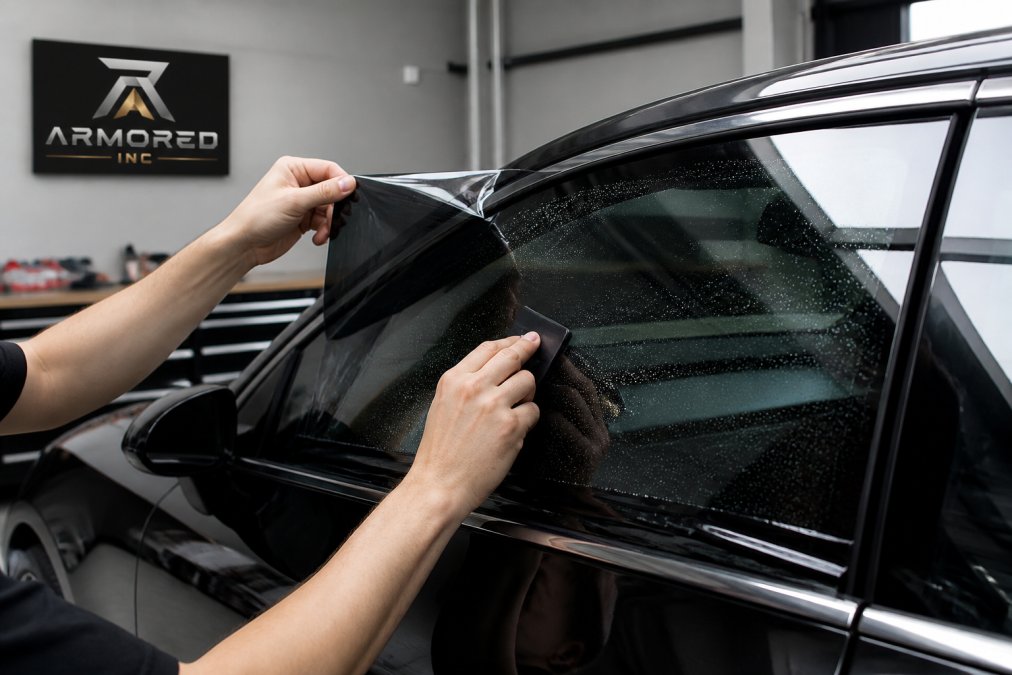
DIY window tinting almost always fails. The process requires precise cutting, proper application temperature, correct moisture levels, and patience during curing. A single mistake compromises the entire installation.
Professional installers have the tools, training, and experience to execute flawlessly. They understand how different films behave, how to work within Ontario's legal requirements, and how to manage the curing process. The warranty is equally important, a professional installer stands behind their work, fixing any defects that appear during the curing period.
| Installation Factor | Impact on Cost | Impact on Quality |
|---|---|---|
| --- | --- | --- |
| Vehicle size and complexity | Moderate variance | Moderate impact |
| Installer experience | Moderate variance | Highest impact |
| Warranty coverage | Minor variance | High impact |
Maintenance and Aftercare for Window Tint Longevity
Proper maintenance extends window tint life significantly. During the first week after installation, avoid washing your vehicle, the film needs time to cure fully. After curing, wash your windows gently using a soft cloth and mild soap.
In winter, Barrie's road salt and sand can damage window tint if not cleaned promptly. Salt is particularly corrosive to film edges, where it can work under the adhesive and cause peeling. Regular gentle washing during winter prevents this damage.
Avoid ammonia-based glass cleaners on tinted windows, as these degrade the adhesive over time. Instead, use tint-safe cleaner or mild soap and water.
Warranty Coverage and Durability Expectations
Quality ceramic window films come with lifetime warranties covering defects in the film itself, bubbling, peeling, discoloration, but not damage from accidents, improper maintenance, or normal wear. SunTek Ceramic Evolve and XPEL PRIME XR PLUS both include lifetime warranties, often transferable to the next vehicle owner.
Budget dyed films typically last 3-5 years before fading. Carbon films extend this to 5-7 years. Ceramic films, when properly installed and maintained, often last 10+ years without significant degradation. In Barrie's climate, ceramic films' superior UV resistance compounds this advantage.
Selecting the right window tint alternative requires balancing performance needs, Ontario's legal requirements, and professional installation quality. Ceramic films like SunTek Ceramic Evolve and XPEL PRIME XR PLUS deliver superior heat rejection and UV protection, and when paired with professional installation from Armored Inc., they provide comprehensive interior protection. Contact Armored Inc. in Barrie to discuss which ceramic window tint solution matches your vehicle and driving needs, and let our experienced technicians ensure your installation meets Ontario's regulations while maximizing your protection.
Frequently Asked Questions
What is the darkest legal window tint in Ontario?
Ontario regulations allow 70% visible light transmission (VLT) for front side windows, meaning the tint can block 30% of light. Rear and back windows can be fully tinted (0% VLT). The windshield must allow at least 70% light through, with only a sun strip permitted at the top. Ceramic window tint films meet these requirements while offering superior heat rejection and UV protection without compromising visibility or safety.
How do ceramic window tint benefits compare to standard dyed film?
Ceramic window tint uses nano-ceramic particles that reject up to 98% of infrared rays and block 99% of UV rays, while standard dyed films primarily block visible light through dye absorption. Ceramic options maintain optical clarity, don't interfere with electronic signals, and resist fading over time. Standard dyed films are cheaper but offer limited heat rejection and can fade or bubble within a few years, making ceramic a superior long-term investment for vehicle protection.
How much does professional window tinting cost in Barrie?
Professional window tinting costs vary based on film quality, vehicle size, and coverage area. Pricing depends on the specific film brand, your vehicle's window configuration, and the installer's expertise. Contact a local professional for an accurate quote tailored to your vehicle and film selection.
Can police pull you over for window tint in Ontario?
Yes, law enforcement can stop vehicles with non-compliant window tint. If your tint violates Ontario's visible light transmission requirements (70% VLT for front side windows), you may receive a ticket. Professional installation ensures your tint meets legal standards, protecting you from fines and vehicle inspection failures. Ceramic window tint options are designed to comply with these regulations while delivering maximum heat rejection and UV protection within legal limits.
This article was written using GrandRanker