 ultimate-guide
Average Cost to Ceramic Coat a Car
Table of Contents
- What Factors Influence Ceramic Coating Cost
- Paint Correction and Surface Preparation: The Hidden Cost Driver
- How Long Does Ceramic Coating Last on a Car
- Benefits of Ceramic Coating for Ontario Winters
- DIY vs. Professional Ceramic Coating Cost
- What's Included in a Professional Ceramic Coating Package
- Maintenance Requirements and Long-Term Cost Considerations
- Frequently Asked Questions
Last Updated: September 27, 2026
What Factors Influence Ceramic Coating Cost
The ceramic coat cost for your vehicle depends on several interconnected factors that determine the final price you'll pay. Vehicle size is the primary driver: a compact sedan costs significantly less to coat than a full-size SUV or truck simply because there's less surface area to protect. A luxury sports car with complex curves and tight body lines requires more precision application time than a straightforward sedan.
Paint condition is the second major cost factor. A vehicle with swirl marks, scratches, and oxidation requires extensive paint correction before any coating can be applied. This surface preparation work, including clay bar treatment, polishing, and decontamination, can add substantial cost to your total project. A newer vehicle with pristine paint might skip this step entirely, while a five-year-old daily driver could require several hours of correction work.
The ceramic coating itself varies in quality and formulation. Professional-grade nano-ceramic products with higher silica dioxide (SiO2) concentrations offer superior durability and hydrophobic properties compared to budget alternatives. The specific product brand and its curing time requirements also influence labour costs. Some coatings require extended curing periods that tie up your vehicle longer, affecting turnaround time and shop availability.
Location matters too. Professional ceramic coating installers in Barrie and surrounding Ontario areas price their services based on local market conditions, facility overhead, and technician expertise. Shops with specialized equipment, climate-controlled application bays, and certified technicians typically charge more than basic detailing operations. At Armored Inc., we factor in the precision required for luxury and sports vehicles.
Paint Correction and Surface Preparation: The Hidden Cost Driver
Paint correction and surface preparation often represents 40-60% of the total ceramic coating cost, yet many vehicle owners underestimate its importance. Before any nano-ceramic product can bond properly to your clear coat, the surface must be completely clean, decontaminated, and free of defects. This is where the real work happens.
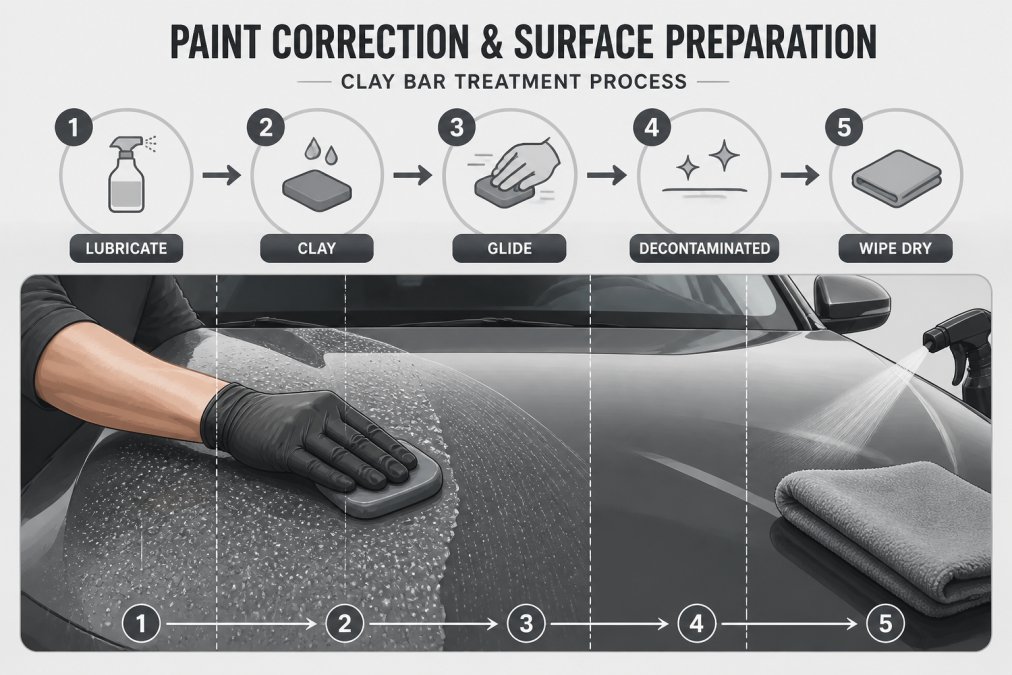
The process begins with decontamination. Your vehicle's paint accumulates ferrous particles from brake dust, industrial fallout, and road debris that regular washing cannot remove. A clay bar treatment lifts these contaminants from the clear coat surface. Without this step, the ceramic coating would bond over contamination, trapping particles beneath the protective layer and creating weak adhesion points.
Next comes paint correction itself. Swirl marks from improper washing techniques, buffer trails from previous detailing work, and light scratches must be polished out. This multi-stage polishing process uses increasingly fine abrasive compounds to level the clear coat and remove defects. A vehicle with significant paint damage might require wet sanding followed by multiple polishing stages, each adding hours of labour.
Paint thickness measurement using a paint depth gauge is critical before and after correction. This ensures the technician doesn't remove too much clear coat during polishing, which would compromise the paint's structural integrity. The measurement process itself adds to labour time but prevents costly mistakes.
The final preparation stage involves final cleaning and surface preparation specific to ceramic coating application. The surface must be absolutely free of dust, oils, and residues. Many professional installers use isopropyl alcohol or specialized prep solutions to create the ideal bonding surface for the ceramic product.
How Long Does Ceramic Coating Last on a Car
Ceramic coating durability depends on the product quality, application method, and maintenance practices. Professional-grade nano-ceramic coatings typically last between two to five years under normal driving conditions, with some premium formulations extending to seven years or beyond. The SiO2 content and the coating's thickness directly correlate with longevity.
The coating doesn't simply disappear after this period. Rather, its hydrophobic properties and protective capabilities gradually diminish. You'll notice water no longer beads as dramatically on the surface, and the gloss enhancement becomes less pronounced. This degradation happens slowly and unevenly across the vehicle, depending on environmental exposure and maintenance.
Ontario winters accelerate coating degradation through multiple mechanisms. Road salt, freeze-thaw cycles, and harsh UV exposure during sunny winter days all stress the ceramic layer. Vehicles parked outdoors year-round experience faster degradation than those garaged regularly. The coating's chemical resistance protects against salt and chemical exposure, but continuous assault weakens the bond over time.
Maintenance directly impacts coating lifespan. Vehicles that receive regular maintenance washes using proper techniques and pH-neutral products retain their coating integrity longer. Neglected vehicles with infrequent washing and harsh washing methods see their coatings fail prematurely. The difference between a two-year coating life and a five-year life often comes down to how well the owner maintains it.
Benefits of Ceramic Coating for Ontario Winters
Ontario's winter weather creates unique challenges for vehicle paint protection. The combination of road salt, freeze-thaw cycles, and UV exposure from bright winter sun creates an aggressive environment for unprotected clear coat. Ceramic coatings address each of these threats directly.
Salt protection is the primary winter benefit. Road salt used for de-icing corrodes unprotected paint and clear coat, leading to rust formation and permanent damage. The hydrophobic properties of a nano-ceramic coating create a barrier that prevents salt-laden water from bonding to the paint surface. Water beads and rolls off rather than pooling in crevices where salt can concentrate.
The chemical resistance of silica dioxide-based coatings protects against the specific corrosive compounds used in winter de-icing applications. Unlike traditional wax or sealants that break down under salt exposure, ceramic coatings maintain their protective properties throughout the harsh winter season. This is particularly valuable for vehicles stored outdoors rather than garaged.
UV protection becomes critical during Ontario's bright winter days. Snow and ice reflect intense UV radiation, and the lower sun angle means UV rays strike surfaces at angles that increase penetration. Ceramic coatings absorb and reflect UV energy, preventing the photo-oxidation that causes paint fading and oxidation. This protection extends the clear coat's integrity throughout the year.
The gloss enhancement that ceramic coatings provide also has practical winter benefits. A glossier surface sheds water more effectively, reducing the tendency for ice to bond to the paint. This can decrease the risk of paint damage from ice scraping during winter maintenance.
Vehicles in Barrie and surrounding areas benefit significantly from ceramic coating protection due to the region's extended winter season and heavy road salt usage. The investment in professional ceramic coating installation pays dividends by preserving paint condition through multiple winter cycles.
DIY vs. Professional Ceramic Coating Cost
DIY ceramic coating kits appeal to cost-conscious vehicle owners, but the comparison between DIY and professional application reveals important trade-offs beyond just price. Understanding what you gain or lose with each approach helps inform the decision.
DIY ceramic coating kits contain lower-concentration nano-ceramic formulations designed for amateur application. These consumer-grade products typically contain 9-15% SiO2 compared to professional-grade products with 80%+ concentration. The lower concentration means thinner protection and shorter durability, often lasting 12-24 months rather than the 3-5 years of professional coatings.
Application difficulty is the primary DIY challenge. Ceramic coatings require precise technique: even coverage, proper curing time management, and flawless surface preparation. Streaking, hazing, and uneven coverage are common mistakes that result in a suboptimal finish. Once applied, ceramic coatings cannot be easily removed if application goes wrong, requiring expensive professional correction work.
Surface preparation for DIY application is equally demanding. Most DIY enthusiasts lack the equipment and expertise for proper paint correction. Applying a ceramic coating over swirl marks and scratches simply seals in the defects, making them permanent until the coating eventually wears off. Professional installers invest in paint depth gauges, clay bar systems, and multi-stage polishing equipment that most home garages don't have.
Professional ceramic coating installation includes comprehensive paint correction, controlled application environment, and warranty coverage. Armored Inc. applies professional-grade coatings.
| Application Type | Product Cost | Labour/Time | Durability | Warranty | Best For |
|---|---|---|---|---|---|
| DIY Kit | Lower upfront | 8-12 hours personal time | 12-24 months | None | Budget-conscious owners accepting lower durability |
| Professional | Higher upfront | Included in service | 3-5 years | Typically 2-3 years | Luxury vehicles and long-term paint protection |
What's Included in a Professional Ceramic Coating Package
Understanding what professional ceramic coating packages include helps justify the investment and sets realistic expectations for results. A comprehensive package includes multiple distinct services beyond the ceramic coating application itself.
Maintenance Requirements and Long-Term Cost Considerations
Ceramic coating maintenance costs extend beyond the initial application and represent a significant portion of the total ownership cost. Understanding these ongoing expenses helps you budget for the full investment in paint protection.
Frequently Asked Questions
Is ceramic coating on a car worth the cost?
Ceramic coating is worth the investment if you want durable paint protection and reduced maintenance over time. The hydrophobic properties mean less frequent washing, and the coating guards against UV damage, chemical etching, and minor scratches. For luxury or sports cars, the cost protects resale value and preserves the paint's finish far longer than traditional wax.
Does the cost of ceramic coating include paint correction?
Not always. Many shops quote ceramic coating separately from paint correction and surface preparation. Paint correction removes swirl marks, scratches, and defects before the coating is applied. Ask your installer whether the quote includes decontamination, clay bar treatment, and paint correction, these steps are essential for proper surface bonding and long-term results.
How long does ceramic coating actually last on a car?
Professional-grade ceramic coatings typically last 3 to 5 years with proper maintenance. Some premium formulations claim up to 10 years, but durability depends on driving conditions, climate, and how often you wash and maintain the vehicle. Ontario winters, road salt, and UV exposure can shorten lifespan, so regular maintenance wash routines are critical.
Why do ceramic coating prices vary so much between shops?
Pricing varies based on vehicle size class, paint thickness and condition, whether paint correction is included, the quality of the ceramic product used, and labor intensity. Professional-grade nano-ceramic and SiO2 formulations cost more than budget alternatives. Shops with warranty coverage and multi-layer application processes typically charge more, but offer better protection and longevity.