 ultimate-guide
Commercial Interior Surface Protection Services
Table of Contents
- What Commercial Interior Surface Protection Actually Does
- Benefits of Ceramic Coating for Commercial Spaces
- How to Protect High-Traffic Commercial Surfaces
- Types of Commercial Surface Protection Solutions
- Cost of Commercial Surface Protection Ontario
- ROI and Long-Term Value of Surface Protection
- Professional Installation vs. DIY Maintenance
- Frequently Asked Questions
Last Updated: September 3, 2026
What Commercial Interior Surface Protection Actually Does
Commercial interior surface protection creates a barrier that extends surface life by years, stopping daily wear from becoming permanent damage. The real value sits in ROI: a protected surface resists scratches, stains, and water intrusion while becoming easier to clean and maintain. For property managers juggling multiple commercial spaces, that efficiency compounds quickly.
At Armored Inc., we offer comprehensive interior coatings and protection solutions for commercial properties. Ceramic coatings, protective films, and epoxy systems create a shield that separates a surface looking worn after 18 months from one still looking new after three years. This distinction matters most in high-traffic areas like retail floors, kitchen countertops, and communal spaces, where constant contact accumulates visible damage without protection.
Benefits of Ceramic Coating for Commercial Spaces
Ceramic coatings create a hydrophobic layer that repels water and resists staining, the difference between a spill that wipes away instantly and one that leaves a mark. The coating bonds at a molecular level, resisting scratches better than uncoated alternatives without peeling or flaking.
Maintenance becomes simpler. Staff spend less time cleaning high-traffic areas, as a quick wipe removes most contaminants without aggressive scrubbing. Ceramic coatings also filter UV rays, preventing surfaces from fading or discoloring as quickly, valuable for spaces with significant natural light.
Cost-effectiveness emerges over time. While upfront professional application costs more than doing nothing, the extended lifespan of protected surfaces reduces replacement frequency. A countertop needing refinishing every 18 months might remain in service for five years or more with proper ceramic protection.
:::pro Ceramic coatings work best on non-porous surfaces like glass, stone, and sealed wood. Porous materials like unfinished concrete or raw tile may require surface preparation before coating application. Always confirm substrate compatibility before committing to a ceramic coating project. :::
How to Protect High-Traffic Commercial Surfaces
Protecting high-traffic surfaces requires matching the protection method to the material type, wear pattern, and environment.
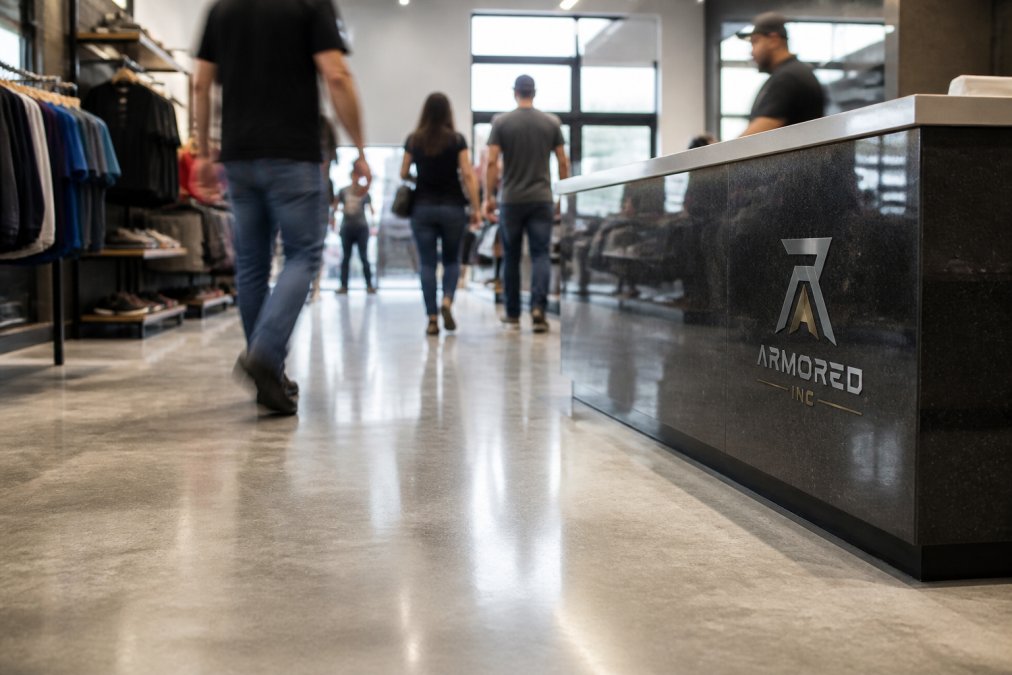
Start with surface preparation. For concrete floors, this means stripping old coatings, cleaning thoroughly, and repairing cracks. For glass or countertops, cleaning removes contaminants that prevent adhesion. Surface preparation typically takes 1-3 days depending on area size and condition.
Select the protection type matching your surface and use case. Epoxy and polyaspartic coatings work for concrete and tile. Ceramic coatings suit glass, countertops, and sealed stone. Paint protection film protects vulnerable surfaces from impact and scratches. Professional installation ensures even coverage and proper curing, poorly applied coatings fail prematurely.
Allow adequate curing time before returning the space to full use. Most epoxy and polyaspartic coatings require 48-72 hours to fully cure. Plan installation during off-hours or when the space can be closed temporarily. Establish a maintenance routine immediately after: regular cleaning with appropriate products keeps the surface performing optimally.
Types of Commercial Surface Protection Solutions
Commercial surface protection comes in several distinct categories, each suited to different materials and wear patterns.
Interior Ceramic Coatings for Countertops and Glass
Ceramic coatings create a hard, transparent layer bonding to the substrate. For countertops, they provide scratch resistance and stain protection. For glass, they enhance clarity while adding water-repellent properties that make cleaning easier.
These coatings work particularly well in kitchens and bathrooms where moisture exposure is constant. The hydrophobic nature means water beads and runs off rather than pooling. For commercial food preparation areas, that water resistance reduces mold growth risk in seams and edges.
Professional application typically takes 4-8 hours depending on surface area (iso.org). The coating cures over several days before reaching full hardness. Ceramic coatings last 2-5 years on interior surfaces with normal use (peer-reviewed research). Maintenance involves regular cleaning with pH-neutral products and avoiding harsh chemicals that degrade the coating.
Paint Protection Film for Vulnerable Surfaces
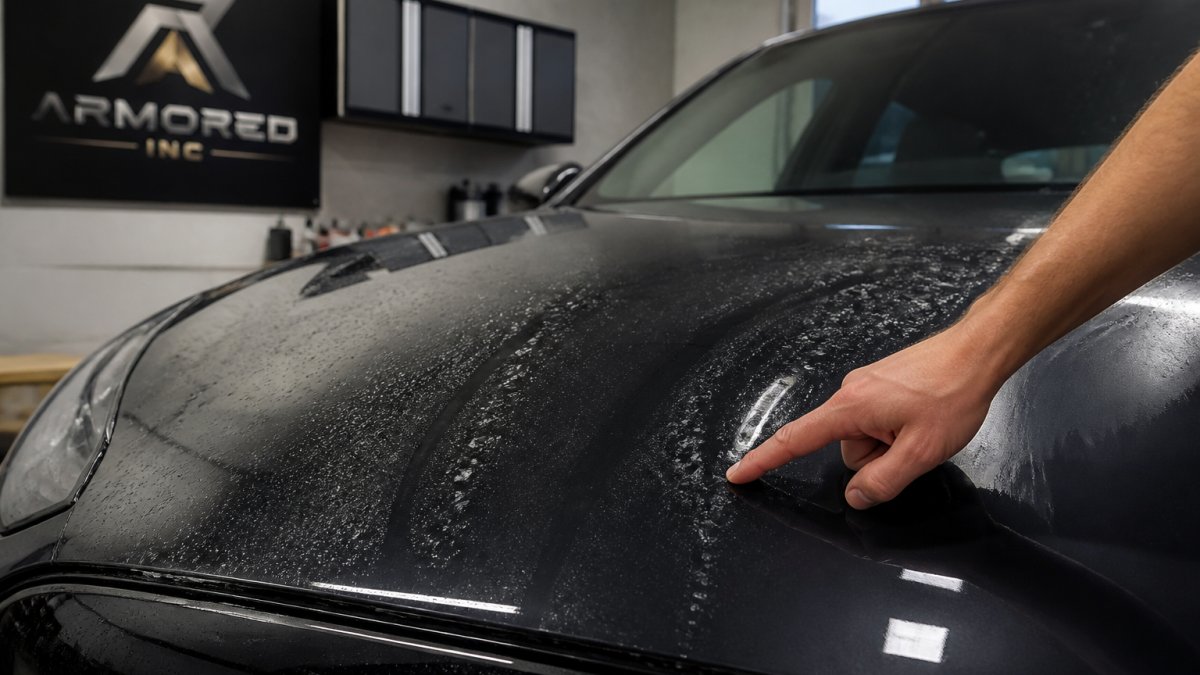
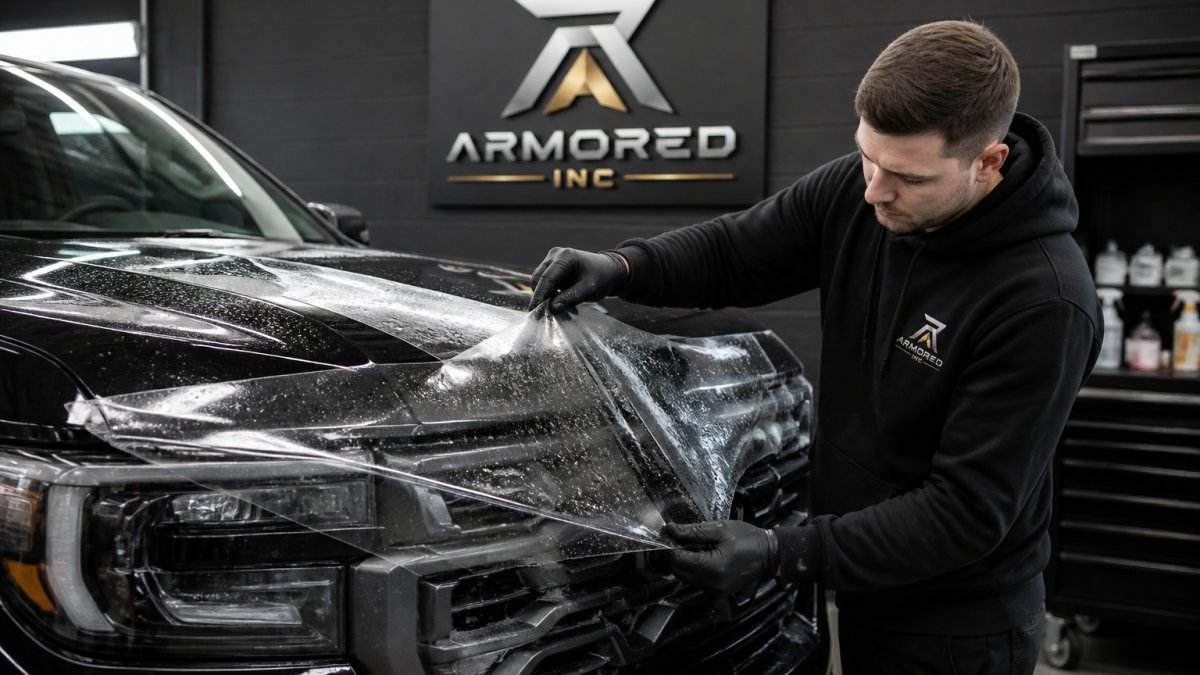
Paint protection film (PPF) is a transparent, self-healing film that adheres to surfaces. Originally developed for automotive paint, it's increasingly used on interior surfaces facing damage risk. Glass countertops, furniture, and high-impact areas benefit from PPF protection.
The film prevents scratches, scuffs, and minor impacts from damaging the surface beneath. If the film itself gets scratched, it self-heals over time when exposed to heat or sunlight. Professional installation ensures seamless coverage without visible edges or wrinkles. PPF lasts 5-10 years depending on environmental exposure and maintenance, maintaining clarity without yellowing (sae.org).
Security Window Film and Glass Strengthening
Security window film bonds glass fragments together if the glass breaks, preventing dangerous shards. For commercial storefronts and office windows, security film deters break-ins by making forced entry more difficult while maintaining normal light transmission.
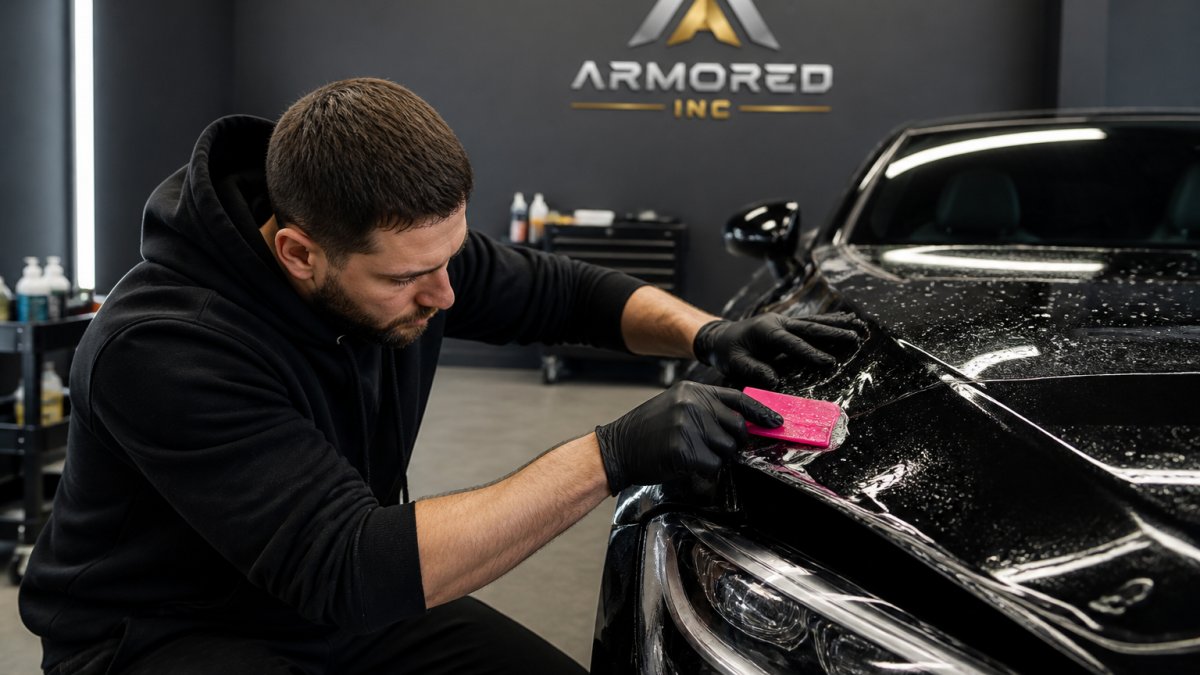
Installation involves cleaning the glass thoroughly, then applying the film with careful attention to edges and corners. Professional installation ensures no air bubbles or wrinkles that would compromise appearance or protection. The film cures over several days, reaching full adhesion strength. Security film comes in various thicknesses and clarity levels, balancing protection with aesthetic requirements.
Epoxy and Polyaspartic Floor Coatings
Epoxy coatings create a hard, durable surface over concrete floors, resisting chemicals, oils, and heavy foot traffic. Polyaspartic coatings offer similar protection with faster cure times, 24 hours or less versus 48-72 hours for epoxy, making polyaspartic practical for businesses that can't afford extended downtime. commercial concrete resurfacing.
Both coating types require concrete preparation including grinding, cleaning, and crack repair. This preparation phase determines whether the coating adheres properly and performs as designed. The coatings resist staining, chemical spills, and moisture intrusion while being easier to clean than bare concrete. For commercial properties with significant foot traffic, epoxy or polyaspartic flooring extends concrete life by years.
Cost of Commercial Surface Protection Ontario
The cost of commercial interior surface protection varies based on surface type, area size, and protection method. Ceramic coating costs depend on square footage and substrate material. Glass surfaces typically cost less to coat than countertops or flooring because they require less surface preparation.
Paint protection film pricing reflects film quality and installation complexity. Self-healing films cost more than standard protective films but deliver longer-term value. Epoxy and polyaspartic floor coatings are priced per square metre, with surface preparation adding cost but remaining non-negotiable for proper adhesion.
Security window film costs vary by glass area and film type. For accurate pricing on commercial interior surface protection in Ontario, contact Armored Inc. directly. We provide detailed quotes based on your specific surfaces, protection method, and timeline.
ROI and Long-Term Value of Surface Protection
The return on investment emerges over time. A protected surface lasting five years costs less per year than an unprotected surface requiring replacement every 18 months. Consider a retail countertop: without protection, it shows visible wear within 12-18 months; with ceramic coating, it remains in good condition for 4-5 years.
Labor savings compound the financial benefit. Protected surfaces require less intensive cleaning and maintenance. A commercial kitchen with ceramic-coated countertops needs fewer staff hours for deep cleaning compared to unprotected surfaces. That time savings translates to direct labour cost reduction.
Aesthetic value matters for customer-facing spaces. A retail environment with well-maintained, protected surfaces projects professionalism and attention to detail, influencing customer perception and supporting premium pricing. Preventative maintenance is always cheaper than emergency replacement. For property managers overseeing multiple commercial spaces across Ontario, that principle drives significant cost savings across a portfolio.
Professional Installation vs. DIY Maintenance
Professional installation and DIY maintenance serve different purposes. Professional installation applies protection correctly, ensuring it performs as designed. DIY maintenance keeps the protection working optimally after installation.
Professional installation matters because improper application ruins the protection. Ceramic coatings require specific humidity and temperature conditions during application. Surface preparation must be thorough. Application must be even. Epoxy and polyaspartic floor coatings absolutely require professional installation, mixing ratios must be precise, application must complete within specific timeframes, and surface preparation must meet exacting standards.
Paint protection film installation requires precision and specialized tools. Air bubbles trapped under the film compromise both appearance and protection. Professional installers have the experience and equipment to apply film seamlessly.
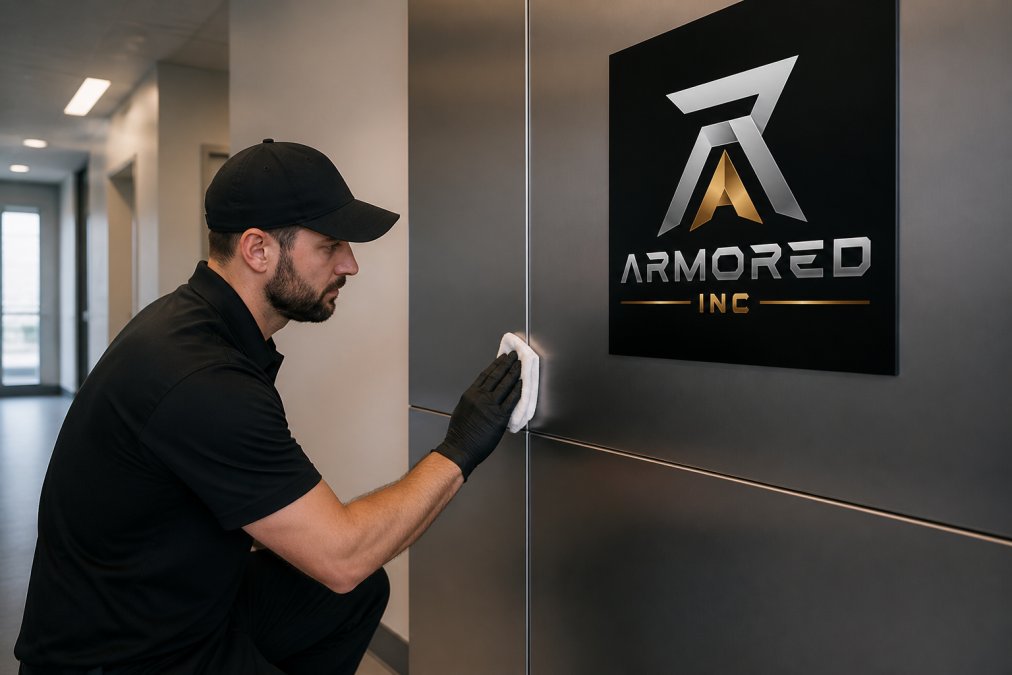
DIY maintenance, however, is entirely appropriate after professional installation. Regular cleaning with appropriate products keeps the protection performing well. Most commercial interior coatings need only basic maintenance: regular cleaning with pH-neutral products, avoiding harsh chemicals, and addressing visible damage promptly.
Protecting commercial interior surfaces is a practical investment in asset longevity. At Armored Inc., we understand that your commercial spaces need to withstand daily wear while maintaining their appearance. Our ceramic coatings, protective films, and floor coating solutions preserve the integrity of your investment while reducing maintenance demands on your team. Whether you're managing retail spaces in Barrie, commercial kitchens across Ontario, or high-traffic office environments, we deliver professional surface protection tailored to your specific needs. Contact Armored Inc. today to discuss how commercial interior surface protection can extend the life of your property while reducing long-term maintenance costs.
Frequently Asked Questions
What are commercial interior surface protection services?
Commercial interior surface protection services include ceramic coatings, protective films, and specialized floor treatments applied to surfaces like countertops, glass, appliances, and flooring. These treatments create a durable barrier that resists scratches, stains, water damage, and UV degradation, reducing maintenance demands and extending the lifespan of your commercial property's interior assets.
How long do commercial interior protective coatings last?
The lifespan depends on the coating type, traffic volume, and maintenance routine. Ceramic coatings typically last 2-5 years on interior surfaces with normal use. Epoxy floor systems can last 5-10 years with proper care. Security window films often perform well for 10+ years. Regular cleaning and preventative maintenance extend durability across all protection types.
Is professional surface protection worth the investment for commercial properties?
Yes. Professional surface protection reduces replacement costs, minimizes downtime from damage, and lowers ongoing maintenance labor. A retail space with protected countertops and flooring avoids costly refinishing cycles. Marine and automotive dealerships protect inventory from environmental hazards, preserving resale value. The upfront investment typically pays for itself through reduced repairs and extended asset life.
What types of surfaces can be protected in a commercial environment?
Ceramic coatings protect countertops, appliances, backsplashes, and glass showers. Paint protection film safeguards vehicle inventory and showroom surfaces. Security window film strengthens glass doors and storefronts. Epoxy and polyaspartic coatings protect concrete and metal flooring in warehouses, kitchens, and manufacturing areas. Protective films can also shield furniture and high-touch surfaces from daily wear.
This article was written using GrandRanker