 comparison
Budget Autodetailing Alternatives to PPF: 2026 Guide
Table of Contents
- What Is Paint Protection Film (PPF)?
- Why Budget Autodetailing Alternatives to PPF Matter in Ontario
- Ceramic Coating vs PPF Cost: A Budget Breakdown
- Top Budget Autodetailing Alternatives to PPF
- Is Ceramic Coating Worth It for Daily Drivers?
- Best Paint Protection for Ontario Winters: Layering Strategies
- Conclusion
- Frequently Asked Questions
Last Updated: September 10, 2026
What Is Paint Protection Film (PPF)?
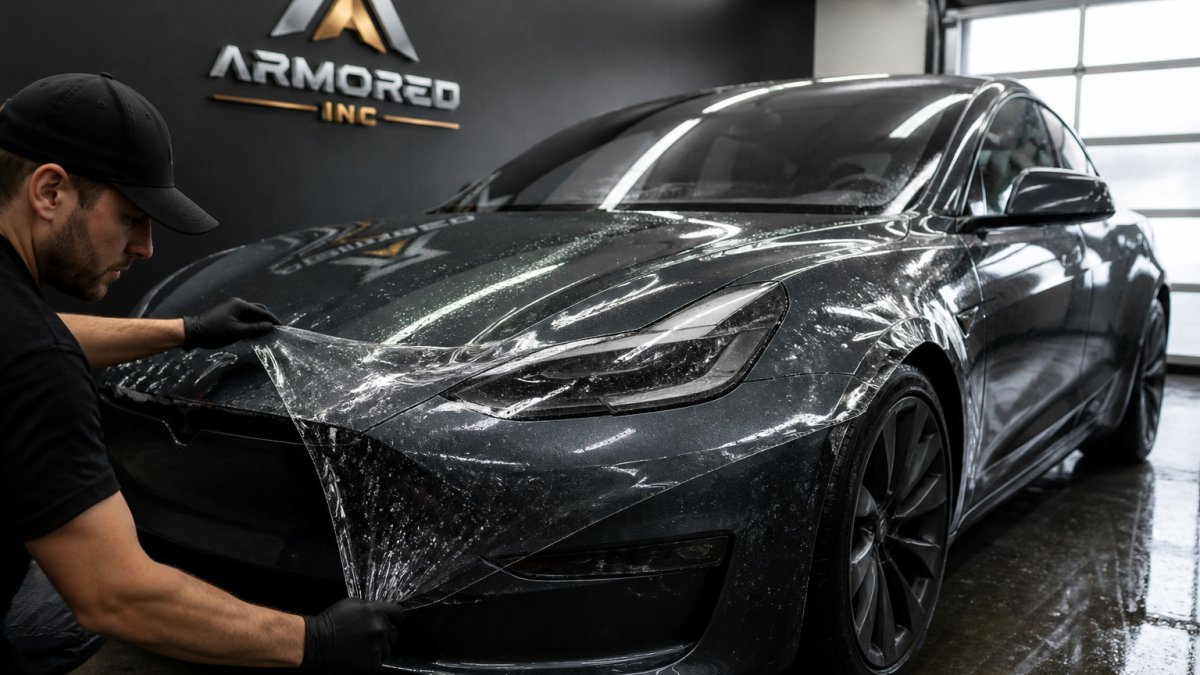
Paint protection film is a transparent thermoplastic urethane layer applied to a vehicle's painted surfaces to absorb physical impacts from road debris. It is the only paint protection product that stops rock chips, and that distinction drives everything in this guide from Armored Inc. about budget autodetailing alternatives.
PPF works as a sacrificial layer: stones, gravel and road grit strike the film instead of your clear coat. Quality films carry self-healing properties, meaning light swirl marks and scratches disappear with heat (PubMed). It is also the most expensive option on the market, which is why so many Barrie drivers look for a budget autodetailing route instead.
Why Budget Autodetailing Alternatives to PPF Matter in Ontario
Ontario's climate is brutal on paint. Road salt, sand and brine spread across Highway 400 and Highway 11 through winter, and each pass throws abrasive material at your bumpers, hood and rocker panels. Spring then brings environmental fallout, tree sap and UV exposure that oxidize unprotected clear coat.
Full-body PPF solves all of it, but the cost puts it out of reach for many daily drivers. That leaves a real question: what actually protects paint without the film price tag? The answer depends on what you're defending against. Physical impact needs film. Chemical and UV damage can be handled far more cheaply.
Ceramic Coating vs PPF Cost: A Budget Breakdown
Ceramic coating costs significantly less than PPF because you're paying for chemistry, not film installation labor. A professional-grade ceramic coating is a liquid polymer that bonds to your clear coat and cures into a semi-permanent layer with hydrophobic properties and UV resistance (PubMed). PPF, by contrast, requires precision cutting, panel removal on some vehicles, and hours of skilled installation, that labor is most of the price.
The trade-off is straightforward:
| Protection Type | Stops Rock Chips? | UV & Chemical Resistance | Typical Ontario Lifespan |
|---|---|---|---|
| Paint protection film | Yes | Yes | 5-10 years |
| Ceramic coating | No | Yes | 2-5 years |
| Graphene coating | No | Yes | 3-5 years |
| Synthetic sealant | No | Limited | 3-6 months |
| Vinyl wrap | Light scratches only | Partial | 3-7 years |
The 5-Year Cost-Per-Year Framework Most Guides Skip
Upfront price is the wrong number to compare. What matters for a budget-conscious Barrie driver is cost per year of protection. Here's how the math typically shakes out when you divide the total spend, including reapplication, by the years of coverage:
- Full-body PPF: Highest upfront cost, but spread across 5-10 years of service it delivers the lowest cost-per-year of any physical-impact solution. The catch is the cash outlay happens all at once.
- Professional ceramic coating: Moderate upfront cost, reapplied or topped up every 2-5 years. Cost-per-year is usually a fraction of PPF, but you get zero chip defense.
- Synthetic sealant: Lowest upfront cost, but you're reapplying every 3-6 months. Over 5 years, the cumulative product and labor cost can approach a single professional coating, with none of the durability.
- Partial PPF + coating hybrid: Film on the front bumper, hood, mirrors and rocker panels, coating everywhere else. This is the sweet spot for Ontario commuters because it puts physical protection exactly where Highway 400 and Highway 11 throw debris, and chemistry everywhere else.
Why Ontario Pricing Varies So Much
Quotes for the same vehicle can swing widely across the Barrie area. The variables that move the number most are:
- Paint condition. A vehicle with swirl marks, oxidation or existing chips needs paint correction before any coating or film. Skipping correction means locking defects under the protection layer.
- Vehicle size and panel count. A compact sedan uses far less film and coating than a full-size pickup or SUV.
- Film coverage zone. Front-end partial PPF, full front clip, and full-body film are three very different price tiers.
- Coating tier. Entry-level consumer coatings, prosumer coatings and professional multi-layer systems have different durability windows and different prep requirements.
For current rates tailored to your vehicle, request a quote directly from Armored Inc. rather than relying on generic online estimates that ignore Ontario labor rates and winter-specific prep.
Top Budget Autodetailing Alternatives to PPF
Four options deliver meaningful paint protection for a fraction of film cost. Each suits a different driver, and none of them replace PPF if rock chips are your main concern. What most guides leave out is that these products are not mutually exclusive, the real budget win comes from layering them and from correcting paint first.
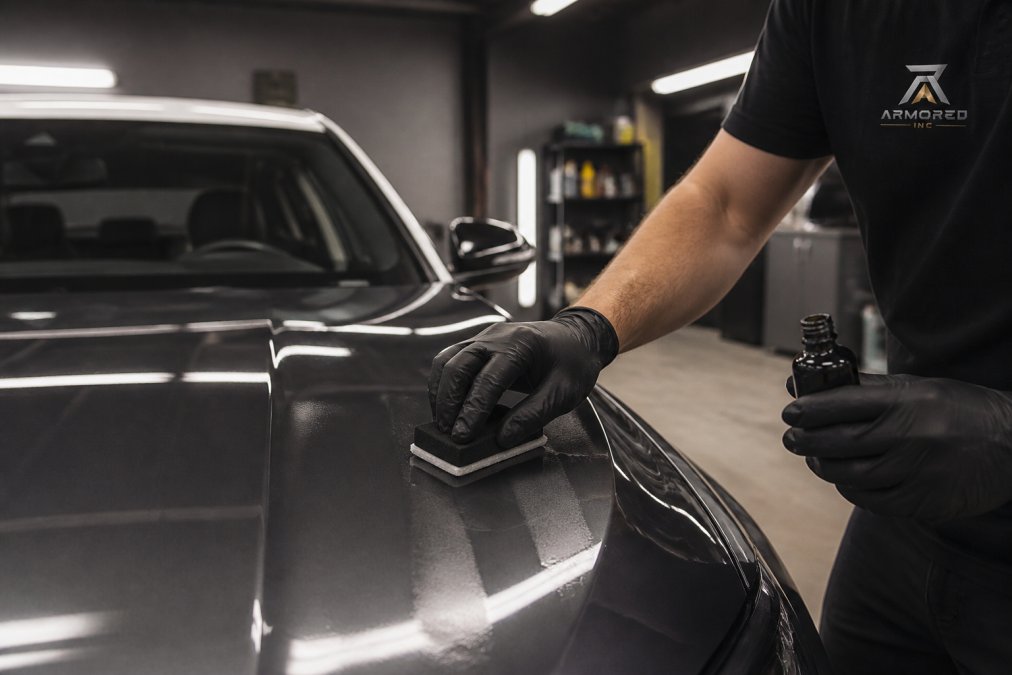
1. Professional-Grade Ceramic Coatings
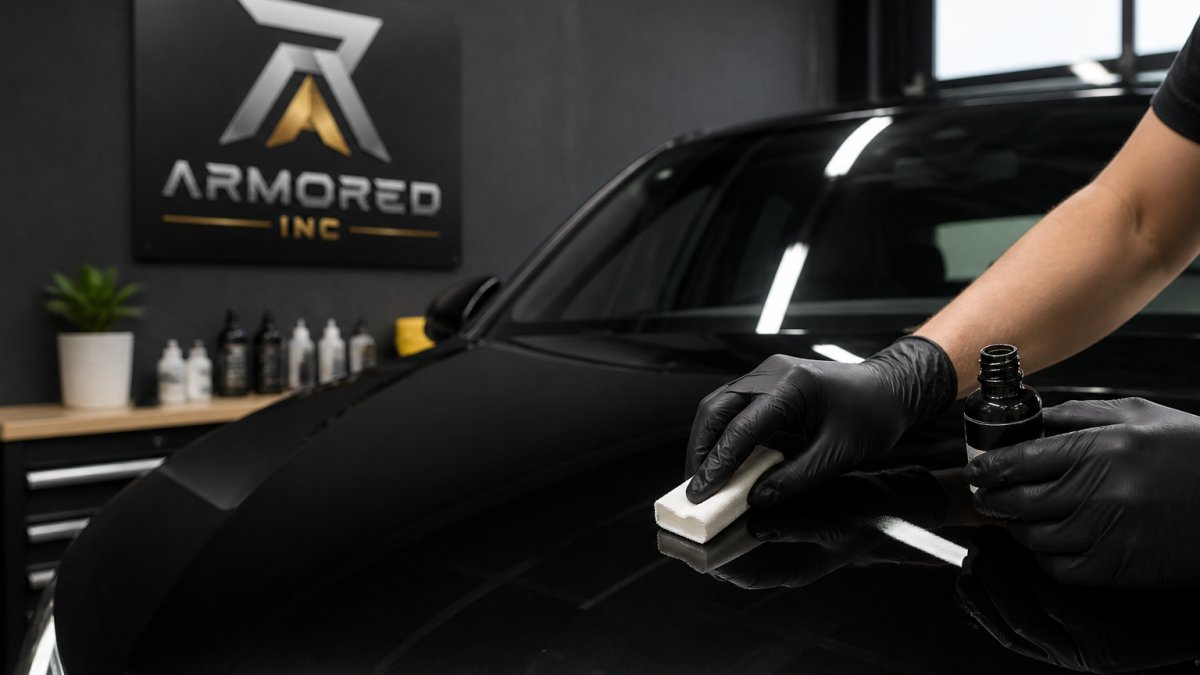
Ceramic coating is the strongest budget alternative for drivers who want gloss enhancement and easier maintenance. A chemical polymer solution bonds with your paint to resist UV rays and chemical contaminants, and the hydrophobic surface makes maintenance washes noticeably faster.
Where it falls short: ceramic coating adds no physical impact resistance. A stone kicked up on the 400 will still chip your paint. For daily drivers dealing with salt, sap and UV rather than gravel, that trade-off is usually worth it. Armored Inc. applies professional ceramic coatings with proper surface prep.
2. Graphene Coatings
Graphene coatings are an evolution of ceramic technology that incorporates graphene molecules for better heat dissipation and durability (peer-reviewed research). The practical benefit is a higher water contact angle, which means better self-cleaning and fewer water spots after rain.
This is the mid-tier pick. It outlasts basic sealants and handles Ontario temperature swings well, but it still lacks the impact protection of film. Expect to pay more than a standard sealant for that added durability.
3. Synthetic Paint Sealants
Synthetic paint sealants are the true budget autodetailing option. A liquid or paste polymer creates a sacrificial barrier over your clear coat, and you can apply it yourself in an afternoon with no professional equipment.
The catch is lifespan. Sealants break down within months, not years, so you're reapplying regularly. They also offer zero protection against road debris. For a leased vehicle or an older daily driver where basic environmental protection is enough, that's a reasonable trade. One bottle covers multiple applications, which keeps the cost per treatment low.
4. Vinyl Wraps
Vinyl wrap is the only alternative that changes your car's appearance while adding a protective layer. The adhesive-backed PVC film shields against light surface scratches and environmental etching, and it's removable without damaging factory paint.
Two honest limitations. First, vinyl is less durable than PPF and can be difficult to remove if left on for too many years. Second, it won't stop a real rock strike. If you want a color change with modest protection, it works. If you want chip defense, it doesn't. paintless dent repair.
The Budget Hybrid Strategy: Layering a Sealant Under a Ceramic Spray
Here's the angle most guides miss. You don't have to pick one product, you can stack them to get more protection per dollar than any single option delivers on its own.
The classic budget hybrid is a synthetic sealant base coat topped with a consumer ceramic spray. The sealant does the heavy lifting of bonding to the clear coat and filling minor surface imperfections. The ceramic spray on top adds hydrophobic behavior, UV resistance and a slicker surface that sheds Ontario road grime more easily. Together they typically outlast either product applied alone, and the combined cost is still a fraction of a professional coating.
A more durable version of the same idea is partial PPF on high-impact zones plus a coating everywhere else. Film on the front bumper, hood, mirrors and rocker panels absorbs the gravel and salt spray that Highway 400 and Highway 11 throw at your car. Coating on the doors, roof and rear quarters handles UV, sap and chemical fallout at a much lower cost than wrapping the whole vehicle.
Paint Correction Comes Before Any Protection
This is the prerequisite every budget guide skips: protection is useless on damaged paint. A coating, sealant or film locks in whatever is underneath it. If your clear coat has swirl marks, oxidation, water spots or embedded contaminants, those defects stay visible under the gloss, and in some cases get worse because the protection traps them.
On a budget, basic paint enhancement is achievable without a full professional correction:
- Decontamination wash. Strip road film, tar and iron fallout before touching the paint with any abrasive.
- Clay bar or clay mitt. Removes bonded surface contaminants that washing alone won't lift.
- Single-stage machine polish. A one-step polish with a mild compound removes light swirls and restores gloss without the multi-stage cost of a full correction.
- Panel wipe. Removes polishing oils so the protection layer bonds properly.
Skipping these steps is why cheap DIY protection jobs fail within a season. The product isn't the problem, the surface prep is.
For drivers searching for budget autodetailing near me in Barrie, the starting point is an honest assessment of your driving and your paint. Highway commuters need impact protection on the front end. City drivers and weekend cars usually need chemical and UV resistance, which a layered coating approach handles well. Armored Inc. can assess your paint and recommend the right combination.
Is Ceramic Coating Worth It for Daily Drivers?
For most daily drivers, ceramic coating is worth it because it addresses the damage that actually accumulates: oxidation, chemical staining and UV fade. It won't prevent chips, but it keeps paint glossy and makes washing faster, which matters through a Barrie winter.
The math gets better the longer you keep the vehicle. A coating that lasts years spreads its cost across far more seasons than a wax that needs reapplying every few months. That's the cost-per-year case for coating over traditional wax.
Best Paint Protection for Ontario Winters: Layering Strategies
The best paint protection for Ontario winters combines layers rather than relying on one product. Start with paint correction to remove existing defects, apply a ceramic or graphene coating for chemical and UV resistance, then add PPF on high-impact zones if your budget allows.
This layered approach is what most guides miss. You don't have to choose between film and coating. Partial PPF on the front bumper, hood and mirrors handles the chip-prone areas, while coating covers the rest of the vehicle. That combination costs far less than full-body film and protects against both threat types.
For drivers searching for budget autodetailing near me in Barrie, the starting point is an honest assessment of your driving. Highway commuters need impact protection. City drivers and weekend cars usually need chemical and UV resistance, which coating handles well.
Conclusion
Choosing paint protection means matching the product to the damage you actually face, not buying the most expensive option on the lot. Armored Inc. provides professional ceramic coatings, paint protection film and window tinting for drivers across Barrie and the surrounding region, with mobile services, valet and rental car options to keep the process simple. If you want a coating that lasts or partial film on your most exposed panels, contact Armored Inc. for a quote tailored to your vehicle.
Frequently Asked Questions
What are the alternatives to PPF paint protection for cars?
Alternatives to PPF include professional-grade ceramic coatings, graphene coatings, synthetic paint sealants, and vinyl wraps. Each offers different levels of protection and cost. Ceramic coatings provide hydrophobic properties and UV resistance, while sealants are budget-friendly but require frequent reapplication. Vinyl wraps add aesthetic changes and a sacrificial layer. For budget autodetailing, these options can be effective depending on your driving conditions and priorities.
How does ceramic coating compare to PPF in terms of durability?
Ceramic coatings typically last 2-5 years with proper maintenance, while PPF can last up to 10 years. However, ceramic coatings do not protect against rock chips or scratches like PPF. They excel in chemical resistance, hydrophobic properties, and gloss enhancement. For daily drivers, ceramic coating offers a good balance of protection and cost, but PPF is superior for physical impact resistance.
Is a DIY ceramic coating kit a viable alternative to professional PPF?
A DIY ceramic coating kit can be a cost-effective alternative if applied correctly. It provides hydrophobic properties and UV resistance, but durability may be less than professional application. Proper surface preparation, including clay bar decontamination and paint correction, is crucial. For Ontario winters, a professional-grade coating may offer better longevity, but DIY kits are a reasonable budget option for enthusiasts.
Does wax or paint sealant provide enough protection for Ontario winters?
Wax and paint sealants offer basic protection against environmental fallout and road salt, but they require frequent reapplication, especially in Ontario winters. They do not prevent rock chips or scratches. For harsh conditions, a ceramic coating or graphene coating provides better durability and chemical resistance. Budget autodetailing alternatives like sealants can work if you maintain them regularly.
How long do PPF alternatives typically last on a vehicle?
Durability varies: synthetic sealants last 3-6 months, ceramic coatings 2-5 years, graphene coatings up to 5 years, and vinyl wraps 3-7 years. Factors include application quality, maintenance, and environmental exposure. In Ontario, winter salt and UV exposure can reduce lifespan. Regular maintenance washes and proper curing time are essential for maximizing longevity of any paint protection alternative.