 comparison
Budget Autodetailing Alternative for Dealership Fleets
Table of Contents
- Why Budget Autodetailing Falls Short for Dealership Fleets
- Quick Comparison: Autodetailing Alternatives for Fleet Operations
- Professional Ceramic Coating for Work Trucks: A Smarter Fleet Investment
- Commercial Fleet Detailing in Barrie: Local Logistics and Mobile Service
- Long-Term Vehicle Surface Protection ROI for Dealership Managers
- Compliance, Insurance, and Quality Standards for Fleet Detailing
- How to Choose the Right Detailing Partner for Your Dealership
- Frequently Asked Questions
Last Updated: September 10, 2026
Why Budget Autodetailing Falls Short for Dealership Fleets
Budget autodetailing looks like the obvious way to keep lot inventory presentable without stretching the reconditioning line. In practice, it usually costs dealership managers more than it saves. This guide from Armored Inc. breaks down what actually happens when fleet managers choose the cheapest available option, and what a genuine autodetailing alternative looks like for a Barrie dealership running 40 or more units.
Cheap detailing relies on high-volume production methods: automated brushes, harsh alkaline soaps, single-stage polishes, and quick-dry spray waxes. On a five-year-old trade-in, that's fine. On a new luxury unit, a matte-finish sports car, or a commercial fleet truck, it strips the factory finish and leaves swirl marks that a prospective buyer spots in the first ten seconds of a walkaround.
The real problem isn't the price point. It's that budget detailing treats every vehicle identically. A dealership lot holds a mix of new inventory, certified pre-owned, aged units, and commercial fleet vehicles, each with different finish requirements. One process cannot serve all four.
Quick Comparison: Autodetailing Alternatives for Fleet Operations
Dealerships weighing an autodetailing alternative have four broad paths: in-house staff, budget mobile detailers, software-managed reconditioning, and professional surface protection partners. Each solves a different problem.
| Option | Best For | Main Limitation | Surface Protection |
|---|---|---|---|
| In-house detailing staff | High-volume lots with steady workflow | Salary, training, and equipment overhead | Depends on technician skill |
| Budget mobile detailers | Quick cosmetic cleanups on aged units | Inconsistent results, no finish protection | None beyond temporary wax |
| Reconditioning software | Managing and tracking recon workflow | Software only, no physical detailing | Not applicable |
| Professional coating partner | New inventory, luxury units, fleet trucks | Higher per-unit cost, longer initial turnaround | Ceramic coating or paint protection film |
The trade-off is straightforward. Budget options trade consistency for cost. Professional surface protection trades upfront cost for long-term finish durability and faster resale prep.
Professional Ceramic Coating for Work Trucks: A Smarter Fleet Investment
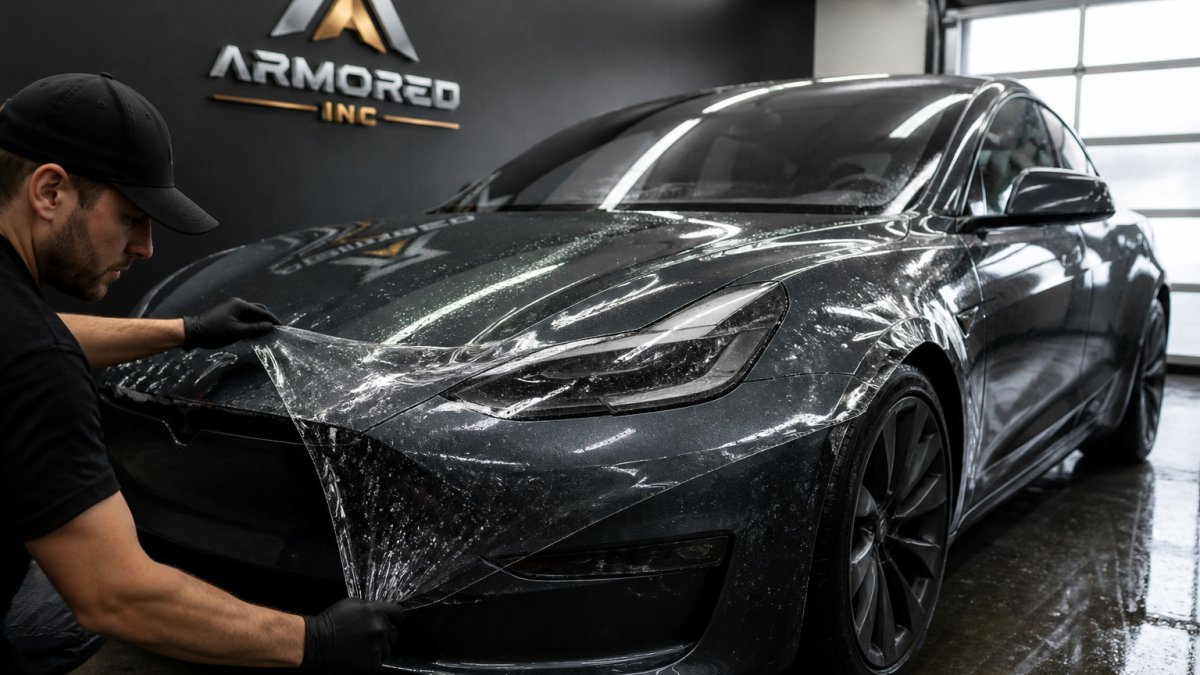
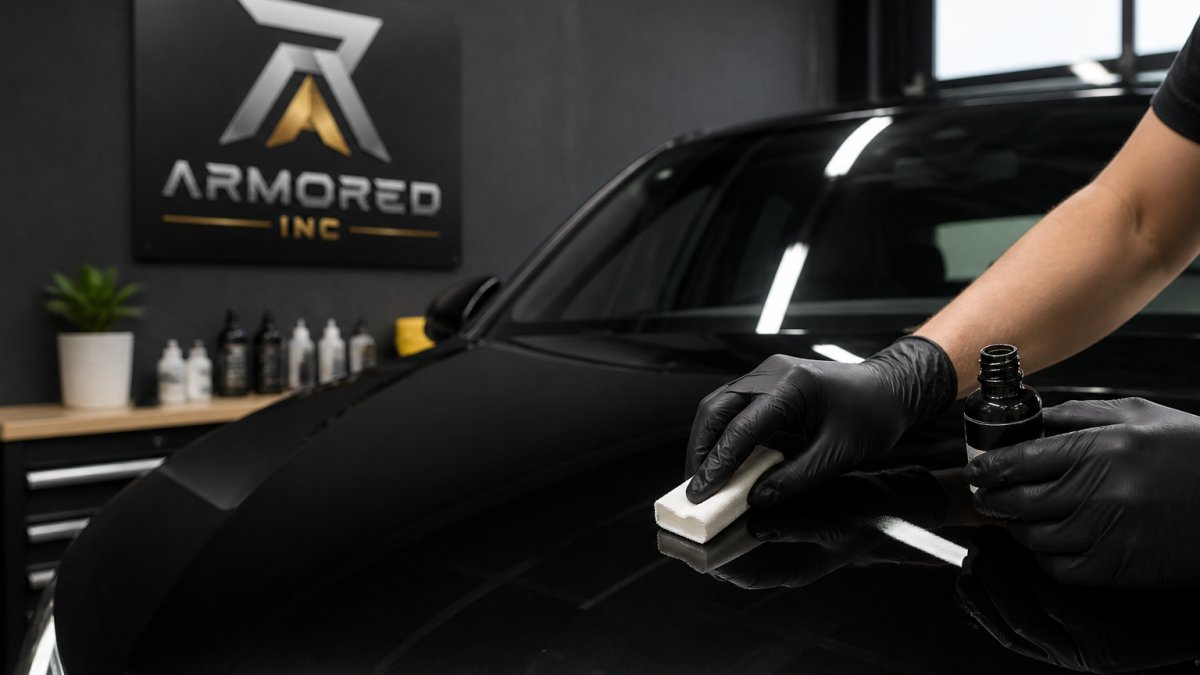
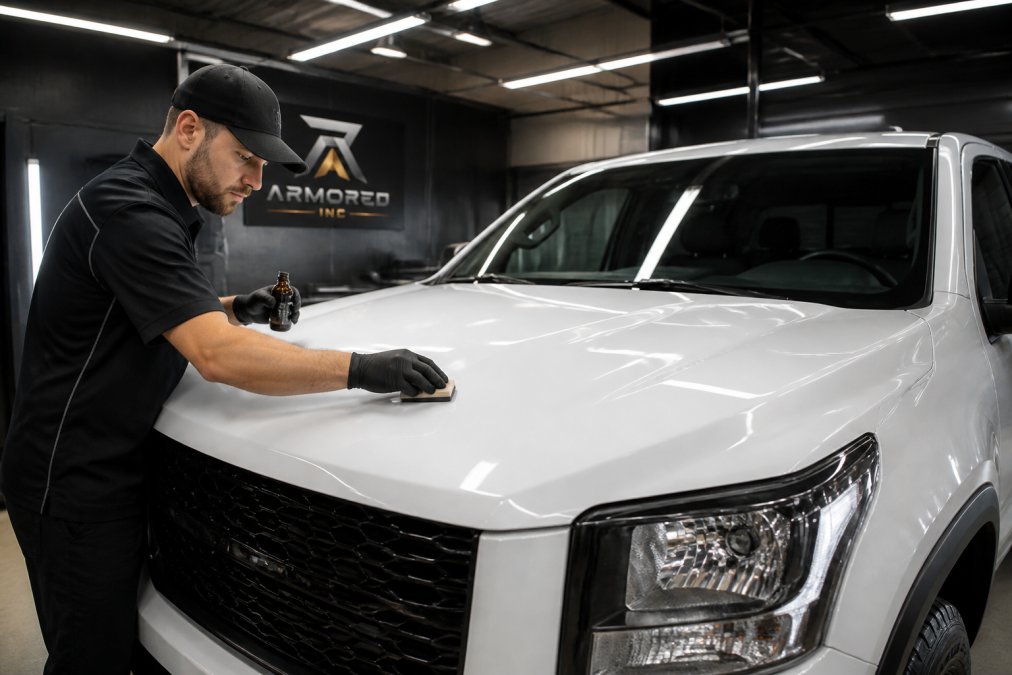
Professional ceramic coating for work trucks is a semi-permanent protective layer applied to the paint surface that bonds at a molecular level, repelling water, dirt, and contaminants while resisting UV fade and chemical staining. For a commercial fleet running daily routes through Ontario winters, that layer changes the entire maintenance equation.
A work truck without coating needs a full wash and wax every few weeks to stay presentable. Salt spray, road brine, and industrial fallout etch into unprotected clear coat within a single season. Coated trucks rinse clean with a pressure washer and hold gloss through repeated wash cycles.
The math for a dealership is different from the math for a fleet operator. A dealership selling commercial trucks needs the units to look sharp on the lot for the weeks or months they sit in inventory. A coated truck holds showroom-ready appearance with minimal labor between showings, which reduces the detailing hours tied up in each unit.
Commercial Fleet Detailing in Barrie: Local Logistics and Mobile Service
Commercial fleet detailing in Barrie has a logistics problem that most service providers ignore: dealership lots are not designed for detailing crews. A 40-unit lot in the South Simcoe area has limited bay space, tight maneuvering room, and customers walking through the same area where a pressure washer is running.
Mobile and on-site service solves most of this. A properly equipped mobile unit arrives with its own water supply, power, and equipment, works through the lot in a scheduled sequence, and leaves without disrupting showroom traffic. For dealerships managing inventory across multiple locations in Barrie, Newmarket, or Orillia, on-site service removes the transport cost of shuttling vehicles to a fixed detailing shop.
What most generic guides skip is the Barrie-specific seasonal calendar. This is the part that actually determines whether a fleet detailing program holds up through the year.
Winter (November through March): salt and brine. Barrie sits in a snowbelt corridor, and Simcoe County road crews use a mix of rock salt and brine on Highway 400, Highway 26, and the local arterial roads. That spray reaches dealer lots on every test drive and every shuttle move. Unprotected clear coat etches within a single season. For dealerships, the practical response is a decontamination wash on every trade-in and every returned demo before it re-enters the front line, plus a coating or sealant layer on any unit expected to sit through the winter.
Spring (April through May): pollen and salt residue. The first warm weeks expose every panel that sat under snow. Pollen bonds to wax and traps grit. This is the window for a full decontamination, iron remover, clay treatment, and a machine polish where needed, before summer UV hits.
Summer (June through August): UV and bug etching. Long daylight hours and highway driving mean bug splatter and UV fade. Coated units rinse clean; uncoated units need repeated wax cycles to hold gloss.
Fall (September through October): pre-winter prep. The highest-value service window for a Barrie dealership. Applying a coating or paint protection film before the first salting means the unit enters winter protected rather than needing correction in spring.
Scheduling around this calendar is where a local provider earns their place. A mobile crew that knows Barrie's freeze-thaw cycle can batch decontamination work in April, run coating applications in September and October, and keep interior sanitization on a year-round rotation. A provider working from the GTA on a generic schedule will miss those windows.
Long-Term Vehicle Surface Protection ROI for Dealership Managers
Long-term vehicle surface protection ROI is measured in reduced reconditioning hours, faster inventory turnover, and higher resale value per unit. For a dealership manager, that means tracking three numbers: cost per vehicle detailed, average days in inventory, and gross profit per unit sold.
Most ROI conversations about detailing stop at the invoice. That is the wrong ledger. The number that actually moves a dealership's bottom line is days-to-sell, and surface protection touches it in three measurable ways.
1. Recon labor hours per unit. A dealership running 40 units through a 90-day cycle typically re-preps each vehicle multiple times: once on intake, again after test drives, again before delivery. A coated or film-protected unit needs a rinse and dry between showings instead of a full wash-and-wax. Track hours per unit before and after protection is applied. Most managers who run this comparison find the labor line drops within the first full inventory cycle.
2. Days in inventory. Paint condition is one of the first things a buyer evaluates in a walkaround, and a swirled or dull finish reads as "not cared for" even when the mechanicals are clean. A unit that presents well on day one tends to attract firmer offers earlier. Dealers who log days-to-sell by finish condition (protected vs. unprotected) usually see the protected cohort turn faster, which reduces floorplan interest carried per unit.
3. Gross profit per unit. Two levers here. First, less reconditioning spend per unit means more margin retained on each sale. Second, a documented protection layer, a coating warranty card or a PPF service record, gives the salesperson a concrete answer when a buyer asks about paint condition, which supports holding price instead of discounting to close.
A simple framework dealership managers can run this quarter:
- Pull the last 90 days of recon invoices and average cost per unit detailed.
- Pull days-to-sell for the same units, split by whether the unit had any surface protection applied.
- Pull gross profit per unit for both cohorts.
- Compare the protected cohort's combined recon + floorplan cost against the unprotected cohort's.
The protection cost per unit is a known input. The variable is how much the finish holds up over the inventory cycle. On a unit that sells in 20 days, the difference is modest. On a unit that sits 60 to 90 days through an Ontario winter, the difference in re-prep labor and presentation quality is where the ROI case actually lands.
Compliance, Insurance, and Quality Standards for Fleet Detailing
Compliance and insurance requirements are the angle most dealerships overlook when selecting a detailing partner. In Ontario, any service provider working on your lot needs current commercial general liability coverage, Workplace Safety and Insurance Board (WSIB) clearance where applicable, and proof of auto liability for any vehicle they move on your property.
Ask for a certificate of insurance before the first service visit, and confirm the coverage limits match your dealership's own risk threshold. If a mobile unit damages a vehicle, spills chemicals on the lot, or injures a technician on your property, the liability question gets answered by paperwork, not by a handshake.
Quality standards matter just as much. A service level agreement (SLA) should specify turnaround time per vehicle, the exact process used, the products applied, and the remedy if a vehicle fails inspection. Without an SLA, you have no recourse when a batch of units comes back with hazing or missed panels.
For dealerships in the Barrie area, Ontario's Ministry of Labour, Immigration, Training and Skills Development publishes current workplace health and safety requirements that apply to any contractor working on your premises. Environmental handling of wash water and chemicals falls under Ontario environmental protection rules, which is worth confirming with any mobile provider before they start work.
How to Choose the Right Detailing Partner for Your Dealership
Choosing a detailing partner comes down to five checks: insurance and WSIB documentation, product and process transparency, turnaround guarantees, mobile capability, and experience with the specific finishes on your lot. Run every candidate through them before signing a service contract.
Here's a practical checklist dealership managers can use:
- Certificate of insurance and WSIB clearance on file
- Written description of the process for each vehicle type (new, used, fleet, luxury, matte finish)
- Named products used, with safety data sheets available
- Documented turnaround time per vehicle, per batch size
- Mobile or on-site service capability with own water and power
- References from other dealerships in the region
- Service level agreement covering quality disputes and rework
- Experience with ceramic coating, paint protection film, and window tint
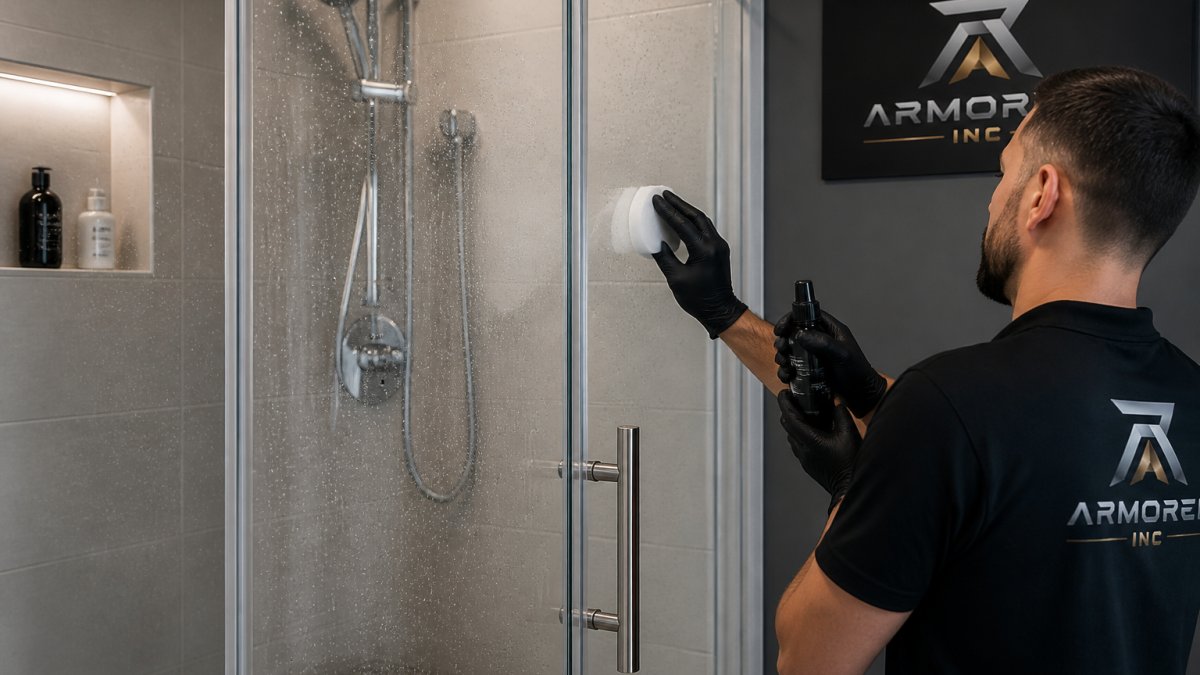
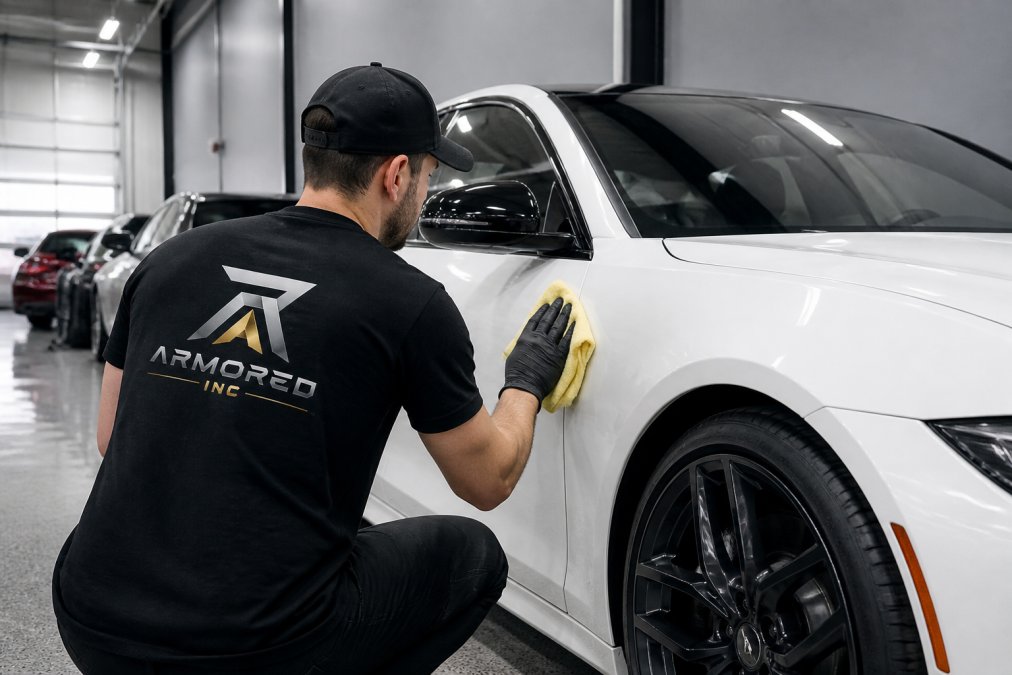
For dealerships in Barrie and the surrounding area looking for a detailing partner near me, Armored Inc. offers mobile service, valet options, and rental car arrangements so inventory keeps moving while vehicles are in for coating or protection work. The team works with ceramic coatings, paint protection film including matte finishes, and window tinting, all relevant to dealership inventory ranging from commuter sedans to Corvettes and Porsches.
Transport Canada vehicle safety and recall information is worth checking when preparing used inventory for resale, since any outstanding recall affects both compliance and buyer confidence.
Frequently Asked Questions
What is the best autodetailing alternative for dealership fleets?
The best autodetailing alternative for dealership fleets depends on your volume and needs. Outsourced professional detailing services offer consistent quality and scalability without the overhead of in-house staff. For dealerships managing 30 to 50 vehicles, a dedicated fleet partner can handle reconditioning, paint correction, and ceramic coating on a recurring schedule. Software tools like Mobile Tech RX or QuoteIQ help manage the workflow if you keep detailing in-house. Many Barrie-area dealerships combine both: software for scheduling and a professional service for high-value work like ceramic coating.
How does professional ceramic coating reduce long-term fleet maintenance costs?
Ceramic coating creates a semi-permanent bond with your vehicle's paint, making it easier to clean and protecting against UV damage, bird droppings, and road salt. For dealership fleets, this means fewer hours spent on washing and reconditioning between sales. Vehicles stay showroom-ready longer, which can speed up inventory turnover. The upfront cost is higher than a basic wash, but the reduced labor and improved resale appearance often justify the investment over a two to three year period. Pricing depends on vehicle size and condition, so contact Armored Inc. for a quote.
Is mobile detailing or shop-based service better for Barrie dealership fleets?
Mobile detailing brings the service to your lot, which eliminates transport time and lets you keep vehicles available for test drives. For dealerships in Barrie, Newmarket, or Orillia, mobile service is often more practical because it reduces downtime and logistics. Shop-based service may be better for extensive paint correction or ceramic coating that requires a controlled environment. Many fleet managers use mobile service for regular maintenance washes and a shop for deep reconditioning. Armored Inc. offers both mobile and valet options to fit your schedule.
What are the risks of choosing low-cost, high-volume detailing for dealership inventory?
Low-cost detailing often uses harsh chemicals, skip steps like clay bar treatment or paint decontamination, and employ untrained staff. The result can be swirl marks, hazy finishes, or damaged trim that actually lowers your vehicle's resale value. For dealerships, a cheap wash today can mean an expensive paint correction tomorrow. It also creates inconsistency across your inventory, which affects customer perception. Investing in a professional service with quality assurance processes protects your vehicles and your reputation. Ask about training, products, and insurance before committing.
How do I evaluate the ROI of premium surface protection for commercial vehicles?
Calculate the total cost of your current detailing spend per vehicle per year, including labor, supplies, and downtime. Then compare that to a professional ceramic coating or paint protection film service. Consider the resale value impact: vehicles with intact paint and no swirl marks typically sell faster and at higher prices. For work trucks and commercial fleets, reduced cleaning time and fewer repairs from environmental damage add up. A simple ROI formula is (savings + resale premium) divided by upfront cost. Request a detailed quote from Armored Inc. to run your numbers.
Dealership managers juggling inventory turnover, reconditioning costs, and finish quality need a detailing partner who understands all three, not just the cheapest line item. Armored Inc. provides professional ceramic coatings, paint protection film, and window tinting across Barrie and the surrounding region, with mobile service and valet options built for dealership workflows. Get started with Armored Inc. and give every unit on your lot a finish that holds up through the sales cycle.