 ultimate-guide
Auto Paint Protection: A Complete Guide for 2026
Table of Contents
- What Is Auto Paint Protection?
- Benefits of Paint Protection Film for EVs
- Ceramic Coating vs PPF: Which Protects Your Paint Better?
- How Long Does Ceramic Coating Last?
- Protecting Your Vehicle From Ontario's Harsh Conditions
- Professional Application vs. DIY Paint Protection
- Maintenance and Longevity of Your Paint Protection
- Frequently Asked Questions
Last Updated: September 28, 2026
What Is Auto Paint Protection?
Auto paint protection refers to protective coatings and films applied to your vehicle's exterior to shield the clear coat and paint from environmental damage, UV rays, chemical contaminants, and physical impacts. The most common methods include ceramic coatings, paint protection film (PPF), and traditional waxes or sealants. At Armored Inc., we specialize in professional-grade auto paint protection solutions designed to preserve both the aesthetic appeal and resale value of your vehicle.
The clear coat on modern vehicles is vulnerable to oxidation, bird droppings, tree sap, road salt, and minor scratches from everyday driving. Without protection, your paint deteriorates faster, losing its gloss and depth. A quality auto paint protection system acts as a sacrificial barrier, taking the damage so your actual paint doesn't have to.
Different protection methods offer varying levels of durability and performance. Ceramic coatings bond chemically to the clear coat, creating a hydrophobic surface that sheds water and contaminants. Paint protection film provides physical protection against stone chips and scratches. Each approach has distinct advantages depending on your vehicle type, driving conditions, and priorities.
Benefits of Paint Protection Film for EVs
Paint protection film delivers exceptional value for electric vehicles, which often feature premium finishes and represent significant investments. EV owners in Barrie and across Ontario face particular challenges: winter salt exposure, intense UV radiation during summer months, and frequent highway driving that increases stone chip risk.
PPF creates an invisible shield that absorbs impact energy from road debris without damaging the underlying paint. Unlike ceramic coatings alone, film protects against physical damage while maintaining complete transparency. For luxury EVs and high-performance electric vehicles, this combination of protection and clarity is invaluable.
Electric vehicles typically spend more time parked in direct sunlight due to charging requirements, exposing the paint to accelerated UV degradation. PPF includes UV inhibitors that prevent oxidation and fading. The self-healing properties of premium PPF mean minor scratches from washing or light contact disappear as the film's polymers relax and reform.
For dealership managers in the South Simcoe and Barrie area with EV inventory, PPF protects vehicles on the lot from environmental damage and customer handling. It preserves that showroom appearance, supporting higher resale values and customer satisfaction.
Ceramic Coating vs PPF: Which Protects Your Paint Better?
Ceramic coating and paint protection film serve different protective functions, and the choice depends on your specific needs, vehicle value, and Ontario driving conditions. Ceramic coatings provide superior hydrophobic properties and gloss enhancement, creating that coveted mirror-like finish with exceptional water beading. PPF excels at preventing physical damage like stone chips, scratches, and road debris impact.
A ceramic coating bonds at the molecular level to your clear coat, creating a hard, durable nano-ceramic layer. This approach enhances gloss, simplifies washing, and provides chemical resistance against bird droppings and tree sap. However, ceramic coatings cannot prevent physical impact damage; a stone chip will still penetrate the coating and damage your paint.
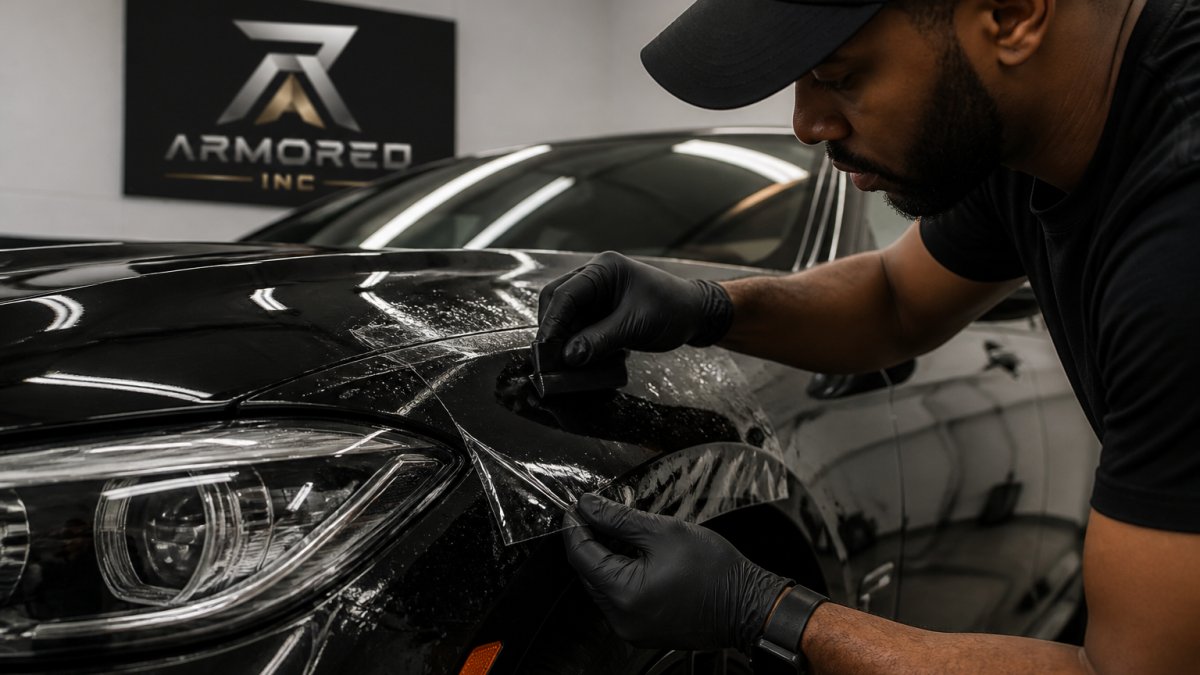
Paint protection film is a thick polyurethane layer that absorbs impact energy. It prevents stone chips, scratches from branches, and minor abrasions from aggressive washing. PPF maintains complete transparency, so it doesn't alter your paint's appearance. Some premium films include self-healing technology where minor scratches disappear within hours as the film's polymers recover.
Decision Framework for Barrie Vehicle Owners:
Ontario's specific driving conditions influence this decision. Winter road salt and freeze-thaw cycles accelerate ceramic coating degradation, making PPF's physical barrier increasingly valuable in our climate. Highway-heavy commuters face more stone chip risk than city drivers, favoring PPF on vulnerable areas. Vehicles parked outdoors year-round benefit from both UV protection (ceramic) and impact protection (PPF) due to extended sun exposure and weather stress.
Many Barrie vehicle owners choose both: PPF on high-impact zones combined with ceramic coating for overall protection and aesthetic enhancement. This layered approach maximizes durability and maintains that pristine finish through Ontario's demanding seasons.
How Long Does Ceramic Coating Last?
Ceramic coating durability typically ranges from two to five years depending on product quality, application technique, and maintenance practices. Professional-grade ceramic coatings last significantly longer than consumer DIY products, often reaching four to five years with proper care.
The lifespan depends on several factors. Climate plays a major role, Ontario's harsh winters with road salt, freeze-thaw cycles, and intense summer UV exposure accelerate degradation. Maintenance frequency matters considerably; vehicles washed regularly with proper technique last longer than neglected ones. Driving habits also affect longevity; highway driving exposes the coating to more contaminants and UV radiation than city driving.
A ceramic coating doesn't simply disappear after two years. Instead, it gradually loses its hydrophobic properties and protective strength. You'll notice water no longer beads as dramatically, and the coating becomes less effective at repelling contaminants. Rather than waiting for complete failure, many owners reapply ceramic coating every two to three years to maintain peak performance.
Premium ceramic coatings from professional installers include warranties covering durability claims. Armored Inc. provides detailed maintenance guidance to maximize your coating's lifespan, including proper washing techniques, recommended products, and seasonal care schedules specific to Ontario conditions.
Protecting Your Vehicle From Ontario's Harsh Conditions
Ontario's climate presents unique challenges for vehicle paint. Winter road salt accelerates corrosion and oxidation, while freeze-thaw cycles create stress on your clear coat. Summer UV intensity fades paint and breaks down protective coatings. Spring and fall bring airborne contaminants, tree sap, and pollen that bond to unprotected surfaces.
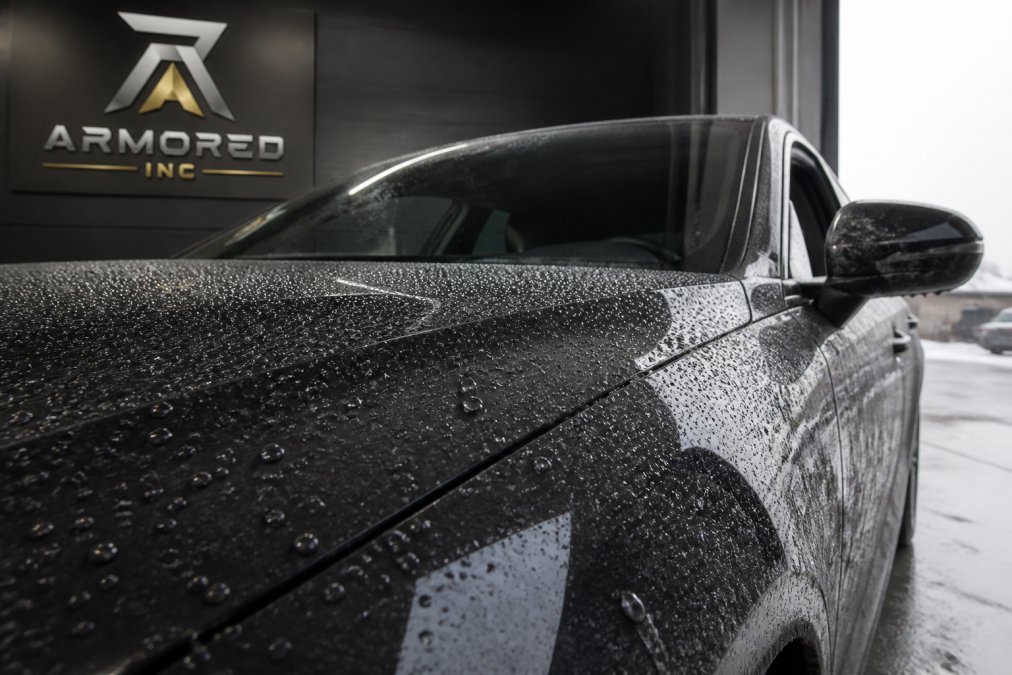
Road salt is particularly damaging in the Barrie area and throughout Ontario's winter months. It corrodes metal components and penetrates micro-scratches in your clear coat, causing oxidation that spreads beneath the surface. A quality auto paint protection system prevents salt from reaching the paint, maintaining integrity through harsh winter conditions.
UV protection becomes critical during Ontario's intense summer months. Unprotected paint oxidizes and loses gloss, while ceramic coatings and PPF include UV inhibitors that preserve color and depth. Vehicles stored outdoors year-round benefit tremendously from professional protection, the investment pays dividends in maintained appearance and resale value.
Professional auto paint protection is particularly valuable for luxury vehicles, sports cars, and new EVs that represent substantial investments. Barrie residents and throughout the region rely on protection systems to maintain their vehicles' condition through Ontario's demanding seasons.
Professional Application vs. DIY Paint Protection
Professional installation delivers superior results compared to DIY kits, particularly for ceramic coatings and paint protection film. Professional technicians possess specialized equipment, training, and experience that ensure proper surface preparation, application technique, and curing conditions.
Surface preparation is critical and often overlooked in DIY applications (Development of Car Coating Materials over the Past Decade for Paint Protection...). Professional detailers perform paint correction, removing oxidation, swirls, and contaminants, before applying any coating. This multi-step process requires specialized compounds, polishing equipment, and expertise. Improper preparation leaves contaminants beneath the coating, compromising adhesion and longevity.
Application technique directly impacts coating performance. Ceramic coatings require precise application speed, temperature control, and curing time. PPF installation demands exact alignment, heat application, and edge sealing to prevent peeling. Professional installers have invested in proper tools and training to execute these steps correctly. DIY attempts often result in streaking, uneven coverage, or premature failure.
Professional auto paint protection includes warranties and guarantees that DIY applications cannot match. If issues arise, professional installers address them under warranty. DIY failures leave you responsible for correction costs, which often exceed the original installation price.
For luxury vehicles, sports cars, and high-value investments in Barrie and surrounding areas, professional installation from experienced technicians like Armored Inc. ensures your vehicle receives the protection it deserves.
Maintenance and Longevity of Your Paint Protection
Proper maintenance significantly extends your auto paint protection system's lifespan and effectiveness. Regular washing removes contaminants before they bond to the coating or film surface. Use pH-neutral car wash products and soft microfiber wash mitts to avoid scratching the protective layer.
Ceramic coatings require specific maintenance to preserve hydrophobic properties. Avoid harsh chemicals and abrasive compounds that degrade the coating. Quarterly maintenance treatments, applying a ceramic booster product, restore hydrophobic properties and extend durability. Many owners notice water beading diminishes after two years; maintenance treatments restore this effect and extend the coating's protective life.
Paint protection film requires minimal maintenance beyond regular washing. Avoid high-pressure washers near film edges, which can force water underneath and cause peeling. If the film develops minor scratches, the self-healing properties recover the damage within hours. For significant damage, professional repair or replacement maintains protection.
Ontario Winter Maintenance Schedule:
Ontario's harsh winter conditions demand a structured seasonal approach to protect your vehicle's finish. Road salt, brine, and freeze-thaw cycles accelerate both ceramic coating degradation and PPF edge failure if not properly managed.
November (Pre-Winter Preparation): Before the first snowfall, schedule a professional wash and inspection of your paint protection system. Inspect PPF edges on the front bumper, hood, and fenders for any lifting or separation. Apply a ceramic booster treatment to refresh hydrophobic properties before winter stress begins. Clean wheel wells and undercarriage to remove summer contaminants that trap moisture.
December through February (Active Winter Care): Wash your vehicle every two weeks during heavy salt application periods, or immediately after driving on salted roads.
Year-Round Best Practices:
Frequently Asked Questions
Is paint protection film worth getting on your car?
Yes, especially if your vehicle is exposed to road debris, salt, and UV damage. Paint protection film prevents stone chips, scratches, and oxidation while maintaining your car's resale value. For luxury and sports cars, the investment protects a significant asset. Professional application ensures the film remains invisible and durable for years.
What is the best protection for car paint in Ontario's climate?
A combination approach works best: ceramic coating for UV and chemical protection, paint protection film for impact resistance from road debris and winter salt. Ceramic coatings create a hydrophobic barrier that sheds water and contaminants, while PPF absorbs impacts that would otherwise damage your clear coat. Together, they address Ontario's winter brine, road salt, and summer UV exposure.
Does paint protection film prevent rock chips?
Yes. Paint protection film acts as a sacrificial layer that absorbs impacts from stone chips and road debris before they reach your clear coat. The film's self-healing properties allow minor scratches to disappear when exposed to heat. This is especially valuable on highways and in winter conditions where salt-treated roads create more aggressive debris.
How does road salt in Ontario affect car paint?
Road salt accelerates oxidation and corrosion by breaking down your clear coat and exposing the paint beneath. It bonds to your vehicle's surface and attracts moisture, creating an environment where rust develops. Paint protection film and ceramic coatings block salt's contact with your paint, while proper maintenance (regular washing) removes salt residue before it causes damage.